


Some error occured while loading the Quick View. Please close the Quick View and try reloading the page.
Jason Burke is one of the world's leading experts on militant Islam. He embedded with the Kurdish peshmerga (currently at war with ISIS) while still in college. He was hanging out with the Taliban in the late 1990s. He witnessed the bombing of Tora Bora in Afghanistan in 2001 firsthand.
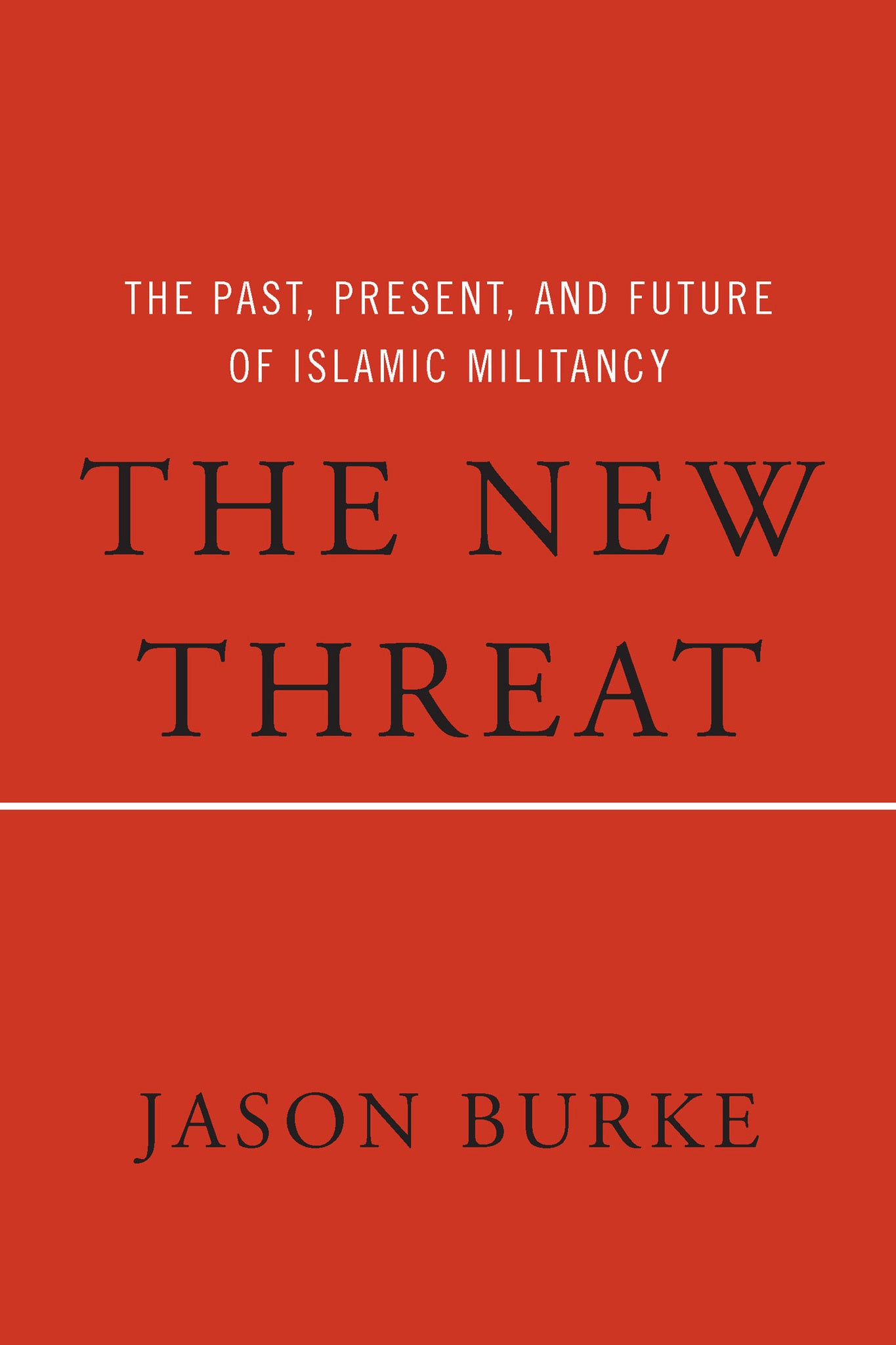
With the current emergence of ISIS in Iraq and Syria and the resurgence of the Taliban in Afghanistan and Pakistan, no one is as well placed as Burke—whose previous books have been chosen as books of the year by The Economist, the Daily Telegraph, and The Independent—to explain this dramatic post-Al Qaeda phase of Islamic militancy. We are now, he argues, entering a new phase of radical violence that is very different from what has gone before, one that is going to redefine the West's relationship with terrorism and the Middle East.
ISIS is not “medieval,” as many U.S. national security pundits claim, but, Burke explains, a group whose spectacular acts of terror are a contemporary expression of our highly digitized societies, designed to generate global publicity. In his account, radical Islamic terrorism is not an aberration or “cancer,” as some politicians assert; it is an organic part of the modern world. This book will challenge the preconceptions of many American readers and will be hotly debated in national security circles.
With the current emergence of ISIS in Iraq and Syria and the resurgence of the Taliban in Afghanistan and Pakistan, no one is as well placed as Burke—whose previous books have been chosen as books of the year by The Economist, the Daily Telegraph, and The Independent—to explain this dramatic post-Al Qaeda phase of Islamic militancy. We are now, he argues, entering a new phase of radical violence that is very different from what has gone before, one that is going to redefine the West's relationship with terrorism and the Middle East.
ISIS is not “medieval,” as many U.S. national security pundits claim, but, Burke explains, a group whose spectacular acts of terror are a contemporary expression of our highly digitized societies, designed to generate global publicity. In his account, radical Islamic terrorism is not an aberration or “cancer,” as some politicians assert; it is an organic part of the modern world. This book will challenge the preconceptions of many American readers and will be hotly debated in national security circles.

Price: $26.95
Pages: 192
Publisher: The New Press
Imprint: The New Press
Publication Date:
03 November 2015
Trim Size: 8.25 X 5.50 in
ISBN: 9781620971352
Format: Hardcover

Praise for The New Threat:
This is the book for which anyone bewildered by the seemingly multifarious nature of Islamic militancy, and longing for a primer, has been waiting.
—Tom Holland, author of Rubicon and Dynasty
[Burke is] the most reliable and perceptive guide to the rise of militant Islam.
—William Dalrymple, author of Nine Lives
One of the best reporters and analysts writing in the West about militant Islam. . . . Like all of Burke's books, this one is cogently argued and well written.
—Peter Bergen, the author of Manhunt
The book on jihad that Donald Trump needs to read.
—Newsweek
A fine overview [from] one of the shrewdest observers of contemporary Muslim activism. . . . Draws together the strands of a highly complex reality to create a picture that is not just convincing but readable.
—The New York Review of Books
Compelling and meticulously researched.
—Foreign Affairs
The most accessible and up-to-date analysis of the development of Islamic militancy. It gives a clear and convincing account of the evolution through the 20th century of the philosophy that seeks to justify this particular brand of terror. . . . Instead of throwing light on the deceptions or ineptitudes of our own leaders in all this . . . Burke keeps his sights fixed on the movements of Islamic militants. The view is consistently fascinating.
—The Guardian
A scrupulously researched study based on calm and cogent analysis, compellingly told.
—The National
A much-needed and timely addition to the growing literature on jihadist organizations. It is distinctly different from other books on jihadist organizations in that it puts the Islamic State in the right perspective. It provides a dispassionate analysis of the Islamic State. This book is scholarly and highly readable at the same time. It is a must-read for those who want to defeat Islamic terrorism.
—Washington Book Review
The author brings an unusual clarity to the discussion of this new movement and to his exposition of the theory and practice of Islamic militancy, including its creative uses of the Internet and social media to promote extremist ideologies. Burke covers a lot of important ground in a compact narrative . . . readers looking for a comprehensive guide to this serious global challenge will find this a rewarding, if sobering, read.
—Kirkus Reviews (starred review)
Wide-ranging and thought-provoking . . . this timely and well-informed study deserves a wide audience.
—Publishers Weekly
Raw, wide-ranging and well-informed, this is history written directly from the front line.
—Evening Standard
This book makes an important contribution to the ongoing effort of writers and journalists to bring news and insight into the global assault on our values, freedoms, and lives.
—The New York Journal of Books
Forgive the cliché: This book is essential reading. No hyperbole required. . . . By no means does Burke trivialize the threat or question its existence. But he argues that to treat that threat as existential is to commit a categorical error. So too is any tendency to view Islamic militancy as monolithic or static.
—The American Conservative
This is the book for which anyone bewildered by the seemingly multifarious nature of Islamic militancy, and longing for a primer, has been waiting.
—Tom Holland, author of Rubicon and Dynasty
[Burke is] the most reliable and perceptive guide to the rise of militant Islam.
—William Dalrymple, author of Nine Lives
One of the best reporters and analysts writing in the West about militant Islam. . . . Like all of Burke's books, this one is cogently argued and well written.
—Peter Bergen, the author of Manhunt
The book on jihad that Donald Trump needs to read.
—Newsweek
A fine overview [from] one of the shrewdest observers of contemporary Muslim activism. . . . Draws together the strands of a highly complex reality to create a picture that is not just convincing but readable.
—The New York Review of Books
Compelling and meticulously researched.
—Foreign Affairs
The most accessible and up-to-date analysis of the development of Islamic militancy. It gives a clear and convincing account of the evolution through the 20th century of the philosophy that seeks to justify this particular brand of terror. . . . Instead of throwing light on the deceptions or ineptitudes of our own leaders in all this . . . Burke keeps his sights fixed on the movements of Islamic militants. The view is consistently fascinating.
—The Guardian
A scrupulously researched study based on calm and cogent analysis, compellingly told.
—The National
A much-needed and timely addition to the growing literature on jihadist organizations. It is distinctly different from other books on jihadist organizations in that it puts the Islamic State in the right perspective. It provides a dispassionate analysis of the Islamic State. This book is scholarly and highly readable at the same time. It is a must-read for those who want to defeat Islamic terrorism.
—Washington Book Review
The author brings an unusual clarity to the discussion of this new movement and to his exposition of the theory and practice of Islamic militancy, including its creative uses of the Internet and social media to promote extremist ideologies. Burke covers a lot of important ground in a compact narrative . . . readers looking for a comprehensive guide to this serious global challenge will find this a rewarding, if sobering, read.
—Kirkus Reviews (starred review)
Wide-ranging and thought-provoking . . . this timely and well-informed study deserves a wide audience.
—Publishers Weekly
Raw, wide-ranging and well-informed, this is history written directly from the front line.
—Evening Standard
This book makes an important contribution to the ongoing effort of writers and journalists to bring news and insight into the global assault on our values, freedoms, and lives.
—The New York Journal of Books
Forgive the cliché: This book is essential reading. No hyperbole required. . . . By no means does Burke trivialize the threat or question its existence. But he argues that to treat that threat as existential is to commit a categorical error. So too is any tendency to view Islamic militancy as monolithic or static.
—The American Conservative
Jason Burke is the South Asia correspondent for The Guardian and The Observer. His book Al Qaeda is regarded as one of the most perceptive and original books on Islamic terrorism. Currently based in New Delhi, he covers a wide range of social, political, and cultural topics across South Asia and is a regular commentator on television and radio.