


Some error occured while loading the Quick View. Please close the Quick View and try reloading the page.
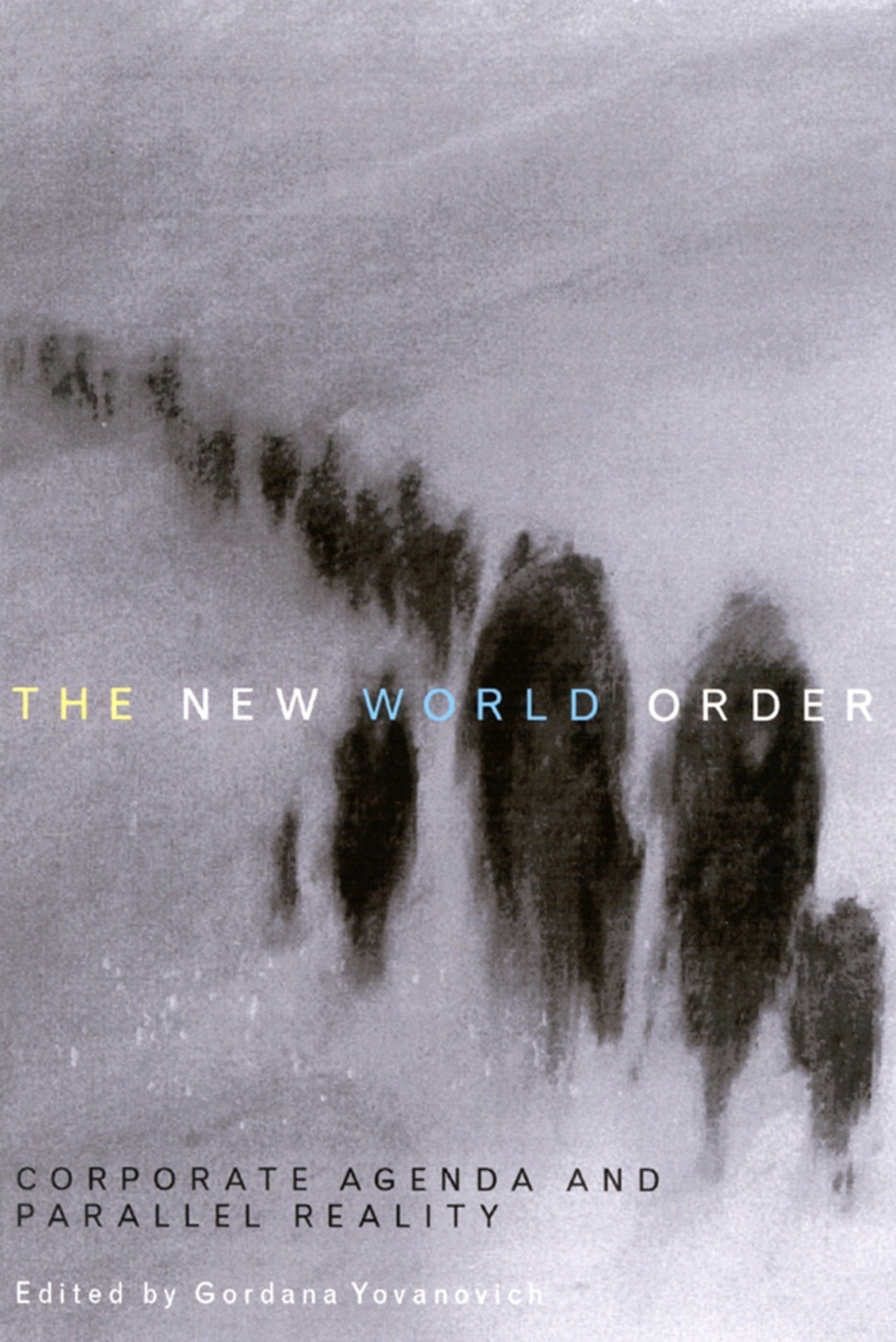
The New World Order seeks to reveal the reality and limitations of "the New World Order," the term U.S. President George Bush Sr used to describe the emerging political reality. Since the early 1990s there has been a fundamental but covert shift in the value system of world politics. The post–World War Two era - marked by the implementation of Keynesian welfare state policies - has ended and in its place we have a New World Order that, under the relentless promotion of neoliberalism, encourages states to adopt a destructive agenda.
Contributors to the book suggest an alternative discourse and value system to that of the market-led corporate global agenda, one that does not directly challenge corporate globalization but recognizes a parallel reality. Need and ingenuity are creating a culture that is clearly different from both North American pop culture and the high culture of the intellectual elites, and which can lead the world away from an "economics of death" to a more positive world. The New World Order does not, however, encourage naive optimism, as it recognizes that the lethal inversion of our value system, which is only beginning to be recognized, may not be acknowledged and counteracted in time to prevent disaster. Contributors include Meenakshi Bharat (University of New Delhi), James Bisset (former Canadian ambassador to Yugoslavia), Leigh S. Brownhill (OISE, University of Toronto), Keith Ellis (University of Toronto), María Figueredo (University of Toronto), Michael Mandel (Osgoode Hall Law School), John McMurtry (University of Guelph), J. Nef (University of Guelph), Jennifer Sumner (University of Guelph), Terisa E. Turner (University of Guelph), Edward Vargo (the Assumption University in Bangkok), and Gordana Yovanovich.

