


Some error occured while loading the Quick View. Please close the Quick View and try reloading the page.
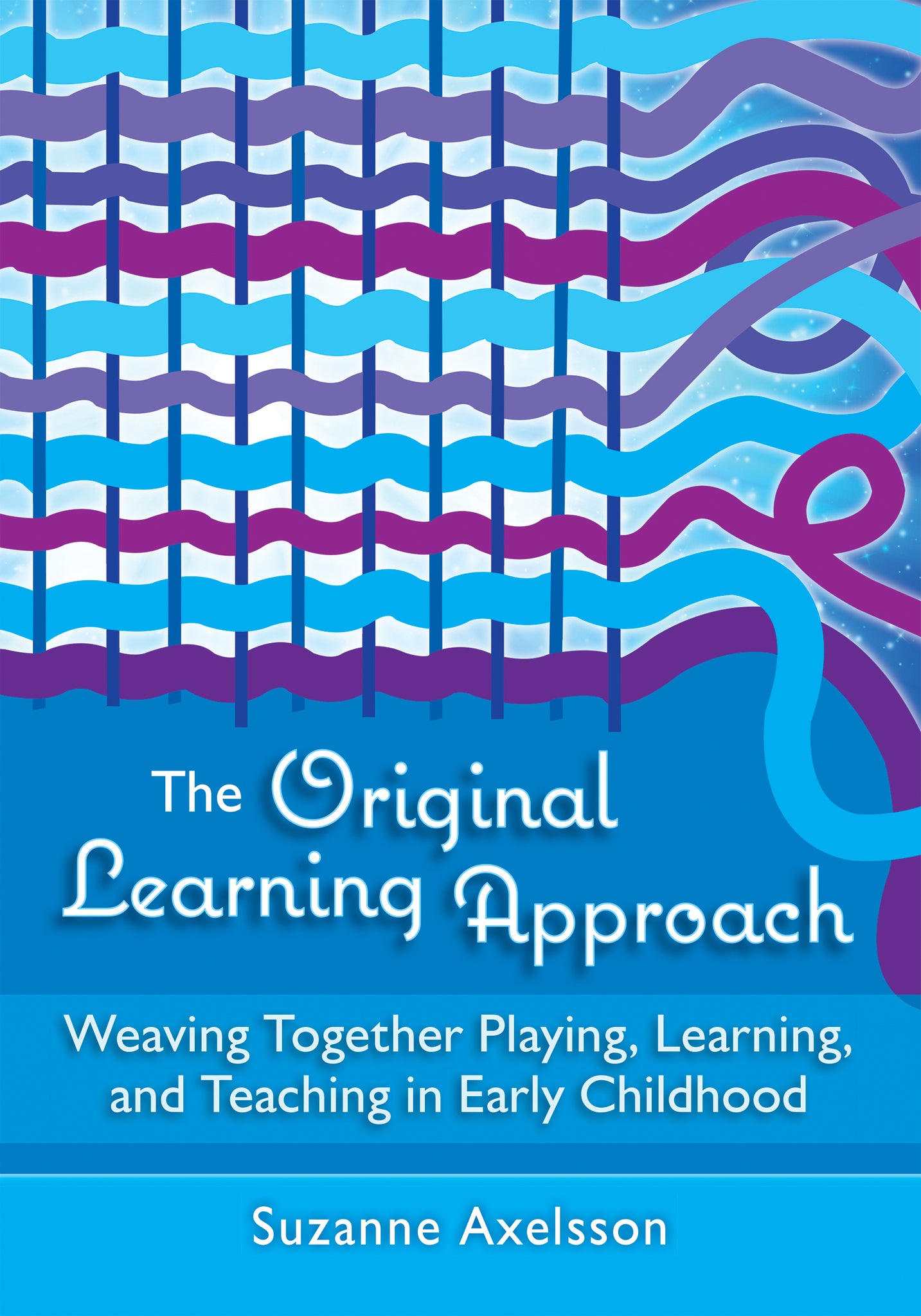
Weave a tapestry of play and learning in your early childhood education practices
The Original Learning Approach is a new reflective practice inspired by Reggio Emilia that allows children to learn and play naturally and at their own pace and can be applied to any pedagogical method, philosophy, or context. The Original Learning Approach facilitates observation, imitation, learning, and practice through autonomous play. By incorporating wonder, curiosity, joy, knowledge, imagination, interaction, risk, time, reflection, and listening into teaching, this play-responsive lens will help early childhood professionals nurture continuous lifelong learners.
With questions, reflections, and stories of practice, The Original Learning Approach helps early childhood educators create a range of inclusive types of play and play experiences focused on interacting with materials, nature, the indoors, time, and the children themselves. Cultivate learning in your program that allows children to learn naturally and at their own pace.


In The Original Learning Approach, Suzanne Axelsson invites us and challenges us to redefine our own views about early childhood education and our vision of children, starting with the terms we constantly use to understand how our interpretations guide our practices. With a keen focus on understanding the child as a unique individual, the book is essential in today's educational climate because it provides educators a fresh perspective that challenges them to develop a new vision for what their work can achieve.
—Miriam Beloglovsky, author, speaker, and professor of early childhood education
Acknowledgments
Listen with Your Ears, Eyes, Heart, and Mind
Good-to-Know Words
An Introduction to Original Learning
Play
Wonder
Curiosity
Joy
Knowledge
Imagination
Interaction
Risk
Time
Reflection
Listening
Complexity
References