


Some error occured while loading the Quick View. Please close the Quick View and try reloading the page.
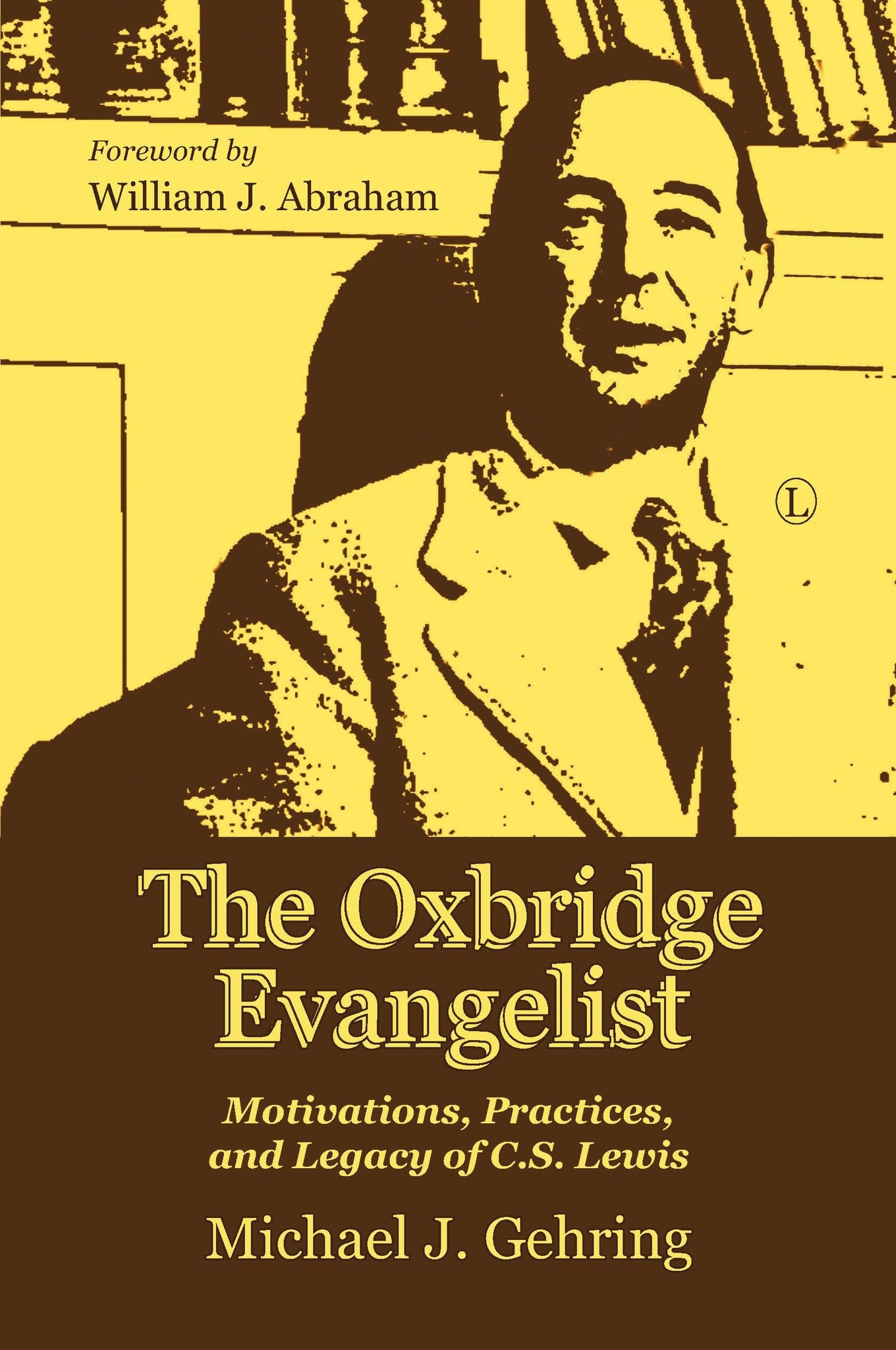
A study of the evangelistic thought and practice of C.S. Lewis, and how his background helped shape his approach to apologetics.
In The Oxbridge Evangelist: Motivations, Practices, and Legacy of C.S. Lewis, Michael Gehring examines the evangelistic practices of one of the most significant lay evangelists of the twentieth century. In the 1930s, his contemporaries would never have predicted the scope of the legacy that Lewis was to leave behind him. Although millions across the world have been influenced by Lewis's evangelical thought, Lewis scholarship has not paid sufficient attention to this crucial side of this multi-faceted author. The Oxbridge Evangelist examines Lewis's loss and recovery of faith, and it shows how his experience heightened his own awareness of the loss of the Christian faith in England. Because of his ability to identify with others, Lewis engaged in the work of evangelism with uncanny skill. This work required singular courage on his part; it cost him dearly professionally and in his relationships. Gehring critically explores Lewis's motivations, practices, and legacy of evangelism. In doing so he provides penetrating insight for those interested in the theory and practice of evangelism in a culture that too readily leaves it to the crazies of the Christian tradition or relegates it to the margins of church life.
In The Oxbridge Evangelist: Motivations, Practices, and Legacy of C.S. Lewis, Michael Gehring examines the evangelistic practices of one of the most significant lay evangelists of the twentieth century. In the 1930s, his contemporaries would never have predicted the scope of the legacy that Lewis was to leave behind him. Although millions across the world have been influenced by Lewis's evangelical thought, Lewis scholarship has not paid sufficient attention to this crucial side of this multi-faceted author. The Oxbridge Evangelist examines Lewis's loss and recovery of faith, and it shows how his experience heightened his own awareness of the loss of the Christian faith in England. Because of his ability to identify with others, Lewis engaged in the work of evangelism with uncanny skill. This work required singular courage on his part; it cost him dearly professionally and in his relationships. Gehring critically explores Lewis's motivations, practices, and legacy of evangelism. In doing so he provides penetrating insight for those interested in the theory and practice of evangelism in a culture that too readily leaves it to the crazies of the Christian tradition or relegates it to the margins of church life.

Price: $36.95
Pages: 262
Publisher: Boydell & Brewer Inc.
Imprint: Lutterworth Press
Publication Date:
30 November 2017
Trim Size: 9.02 X 6.02 in
ISBN: 9780718895204
Format: Paperback
BISACs:
RELIGION / Christian Theology / General, Christianity, Theology

Meet C.S. Lewis the brilliant, unashamed evangelist for orthodox Christianity. Nobody has done a better job than Lewis of addressing thoughtful, intelligent readers with the claims of Christ. And nobody has done a better job than Michael Gehring in presenting a loving but honest portrait of a flawed but brilliant man whom God used in a remarkable way. Gehring shows how Lewis deftly spread the gospel in environs thought to be impervious to the gospel. A joy to read.
— WILL WILLIMON, United Methodist Bishop, retired; Professor of the Practice of Christian Ministry, Duke Divinity School
In this fascinating and engagingly written book, Michael Gehring takes the complex and multi-faceted C.S. Lewis and turns his life like a jewel under a lamp. Flashes of light and insight sparkle on every page. The literature on Lewis is vast, but even so, Gehring adds something new and fresh to the story of how a man so full of twists and turns, contradictions and surprises, became one of the most beloved and influential evangelists for Christianity in modern times. A must-read!
— THOMAS G. LONG, Bandy Professor of Preaching, Emeritus, Candler School of Theology, Emory University
In this meticulously researched book, Michael Gehring searches out underlying motivations that compelled C.S. Lewis, a respected Oxford don at the time of his conversion, to risk academic status and personal privacy in zealous pursuit of a vocation of Christian evangelism. ... I learned so much from this book.
— ROBERT C. DYKSTRA, Charlotte W. Newcombe Professor of Pastoral Theology, Princeton Theological Seminary
The in-depth study of The Pilgrim's Regress would be useful to students analysing that book, and the discussion of the message and the messenger provides some interesting insights. The book as a whole is well written and carefully researched. It contains a helpful bibliography and gathers together in one work insights on the theme of Lewis's motivations that were previously scattered among many.
— Suzanne Bray
— WILL WILLIMON, United Methodist Bishop, retired; Professor of the Practice of Christian Ministry, Duke Divinity School
In this fascinating and engagingly written book, Michael Gehring takes the complex and multi-faceted C.S. Lewis and turns his life like a jewel under a lamp. Flashes of light and insight sparkle on every page. The literature on Lewis is vast, but even so, Gehring adds something new and fresh to the story of how a man so full of twists and turns, contradictions and surprises, became one of the most beloved and influential evangelists for Christianity in modern times. A must-read!
— THOMAS G. LONG, Bandy Professor of Preaching, Emeritus, Candler School of Theology, Emory University
In this meticulously researched book, Michael Gehring searches out underlying motivations that compelled C.S. Lewis, a respected Oxford don at the time of his conversion, to risk academic status and personal privacy in zealous pursuit of a vocation of Christian evangelism. ... I learned so much from this book.
— ROBERT C. DYKSTRA, Charlotte W. Newcombe Professor of Pastoral Theology, Princeton Theological Seminary
The in-depth study of The Pilgrim's Regress would be useful to students analysing that book, and the discussion of the message and the messenger provides some interesting insights. The book as a whole is well written and carefully researched. It contains a helpful bibliography and gathers together in one work insights on the theme of Lewis's motivations that were previously scattered among many.
— Suzanne Bray
Foreword by William J. Abraham
Acknowledgements
Permissions
Chapter 1: C.S. Lewis: An Unusual Evangelist
1.1 Introduction: Lewis's Evangelistic Legacy
1.2 An Odd Choice Explored
1.3 The Nature of Lewis's Evangelism
1.3.1 Evangelism and the Character of the Evangelist
1.3.2 Structure of the Work
Chapter 2: Lewis's Formative Years: Family, Religion, and Cultural,
Socioeconomic, and Political Identities
2.1 Introduction
2.2 Family Background
2.3 Religious Formation and Identity
2.4 Cultural, Socioeconomic, and Political Identities
2.4.1 School Choice
2.5 Conclusion
Chapter 3: From Faith to Unbelief
3.1 Introduction
3.2 Counting the Losses
3.3 Enduring the Pain
3.4 Losing the Faith
3.5 Reinforcing the Loss
3.6 Joy's Elusive Presence
3.7 Living into His Atheism
3.8 Conclusion
Chapter 4: A Journey from the Loss of Faith to Finding the Faith
4.1 Introduction
4.2 Estrangement, Love, and War: Albert, Mrs. Moore,
and the Trenches of France
4.3 Changes Which Had Been Wrought
4.4 The Return of the Scholar
4.5 Flight from Romanticism
4.6 Surrender
4.7 Conclusion
Chapter 5: Lewis's Evangelism: Motivations and Practices
5.1 Introduction
5.2 Bearing Witness: The Pilgrim's Regress
5.2.1 Puritania: A Religion of Masks and Rules
5.2.2 Signposts of Another World
5.2.3 Seeking Substitutes
5.2.4 Characters Met on the Road
5.2.5 The Regress
5.3 Reactions to The Pilgrim's Regress
5.4 Opened Doors which Led to Unforeseen Heights
5.5 Lewis's Motivations to Engage in Evangelism
5.6 Closing Doors
Chapter 6: The Message, the Messengers, and Character
6.1 Introduction
6.2 Lewis's Concerns about the Messengers
6.3a Lewis's Response to Straying Messengers
6.3b Bishop Robinson and an Iconoclastic Age
6.4 Attacking the Character of the Messenger: A Two-Edged Sword
Chapter 7: The Conclusion
7.1 An Incredible Legacy
Selected Bibliography
Index
Acknowledgements
Permissions
Chapter 1: C.S. Lewis: An Unusual Evangelist
1.1 Introduction: Lewis's Evangelistic Legacy
1.2 An Odd Choice Explored
1.3 The Nature of Lewis's Evangelism
1.3.1 Evangelism and the Character of the Evangelist
1.3.2 Structure of the Work
Chapter 2: Lewis's Formative Years: Family, Religion, and Cultural,
Socioeconomic, and Political Identities
2.1 Introduction
2.2 Family Background
2.3 Religious Formation and Identity
2.4 Cultural, Socioeconomic, and Political Identities
2.4.1 School Choice
2.5 Conclusion
Chapter 3: From Faith to Unbelief
3.1 Introduction
3.2 Counting the Losses
3.3 Enduring the Pain
3.4 Losing the Faith
3.5 Reinforcing the Loss
3.6 Joy's Elusive Presence
3.7 Living into His Atheism
3.8 Conclusion
Chapter 4: A Journey from the Loss of Faith to Finding the Faith
4.1 Introduction
4.2 Estrangement, Love, and War: Albert, Mrs. Moore,
and the Trenches of France
4.3 Changes Which Had Been Wrought
4.4 The Return of the Scholar
4.5 Flight from Romanticism
4.6 Surrender
4.7 Conclusion
Chapter 5: Lewis's Evangelism: Motivations and Practices
5.1 Introduction
5.2 Bearing Witness: The Pilgrim's Regress
5.2.1 Puritania: A Religion of Masks and Rules
5.2.2 Signposts of Another World
5.2.3 Seeking Substitutes
5.2.4 Characters Met on the Road
5.2.5 The Regress
5.3 Reactions to The Pilgrim's Regress
5.4 Opened Doors which Led to Unforeseen Heights
5.5 Lewis's Motivations to Engage in Evangelism
5.6 Closing Doors
Chapter 6: The Message, the Messengers, and Character
6.1 Introduction
6.2 Lewis's Concerns about the Messengers
6.3a Lewis's Response to Straying Messengers
6.3b Bishop Robinson and an Iconoclastic Age
6.4 Attacking the Character of the Messenger: A Two-Edged Sword
Chapter 7: The Conclusion
7.1 An Incredible Legacy
Selected Bibliography
Index