


Some error occured while loading the Quick View. Please close the Quick View and try reloading the page.
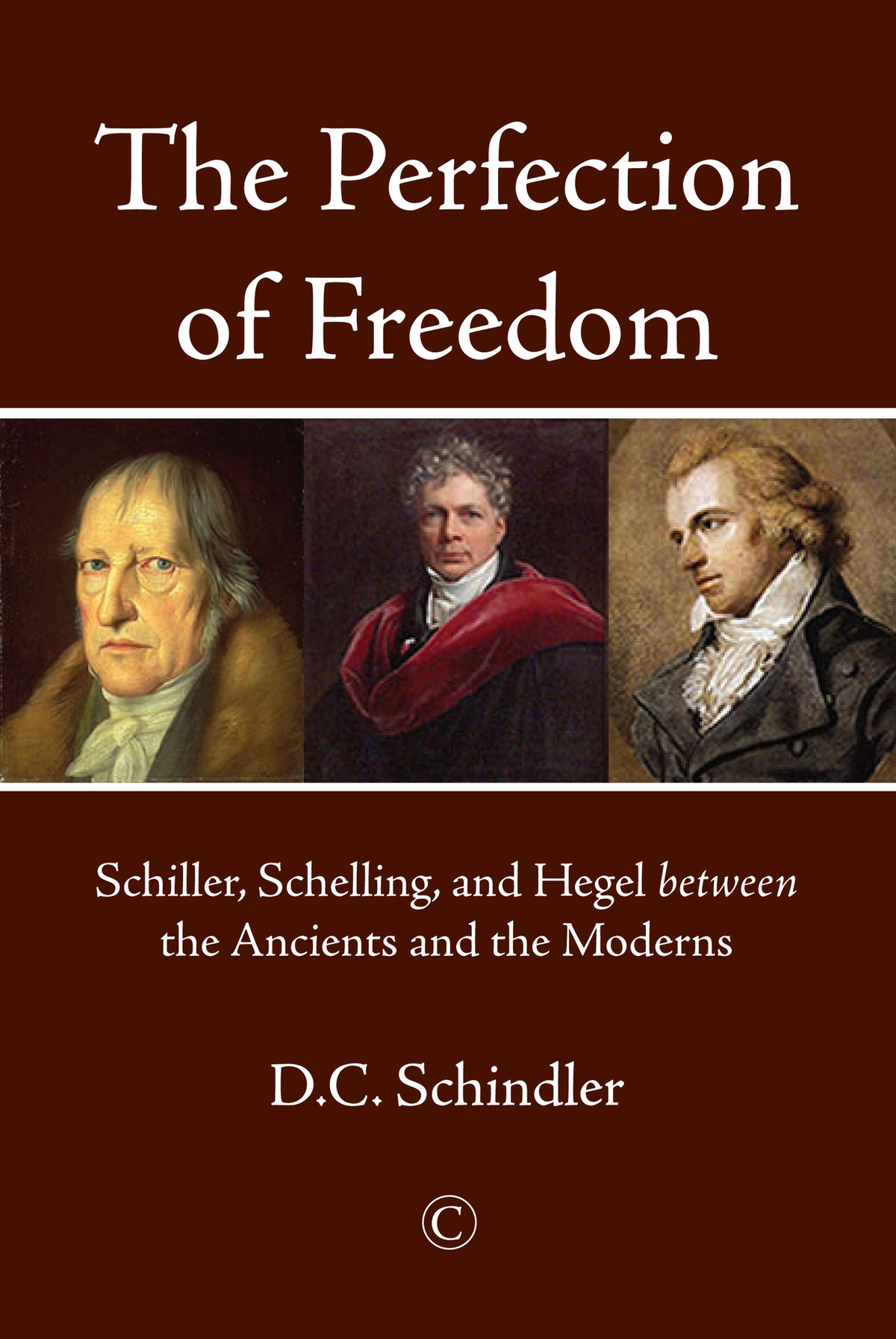
An analysis of the concept of freedom in the thought of three German philosophers, revealing insights that challenge modern conventions.
The Perfection of Freedom seeks to respond to the impoverished conventional notion of freedom through a recovery of an understanding rich with possibilities yet all but forgotten in contemporary thought. This understanding, developed in different but complementary ways by the German thinkers Schiller, Schelling, and Hegel, connects freedom, not exclusively with power and possibility, but rather, most fundamentally, with completion, wholeness, and actuality. What is unique here is specifically the interpretation of freedom in terms of form, whether it be aesthetic form (Schiller), organic form (Schelling), or social form (Hegel). Although this book presents serious criticisms of the three philosophers, it shows that they open new avenues for reflection on the notion of freedom; avenues that promise to overcome many of the dichotomies that continue to haunt contemporary thought - for example, between freedom and order, freedom and nature, and self and other. The Perfection of Freedom offers not only a significantly new interpretation of Schiller, Schelling, and Hegel, but also proposes a modernity more organically rooted in the ancient and classical Christian worlds.
The Perfection of Freedom seeks to respond to the impoverished conventional notion of freedom through a recovery of an understanding rich with possibilities yet all but forgotten in contemporary thought. This understanding, developed in different but complementary ways by the German thinkers Schiller, Schelling, and Hegel, connects freedom, not exclusively with power and possibility, but rather, most fundamentally, with completion, wholeness, and actuality. What is unique here is specifically the interpretation of freedom in terms of form, whether it be aesthetic form (Schiller), organic form (Schelling), or social form (Hegel). Although this book presents serious criticisms of the three philosophers, it shows that they open new avenues for reflection on the notion of freedom; avenues that promise to overcome many of the dichotomies that continue to haunt contemporary thought - for example, between freedom and order, freedom and nature, and self and other. The Perfection of Freedom offers not only a significantly new interpretation of Schiller, Schelling, and Hegel, but also proposes a modernity more organically rooted in the ancient and classical Christian worlds.

Price: $55.00
Pages: 440
Publisher: Boydell & Brewer Inc.
Imprint: James Clarke
Publication Date:
31 March 2017
Trim Size: 9.02 X 6.02 in
ISBN: 9780227176436
Format: Paperback
BISACs:
RELIGION / Christian Theology / General, Christianity, Theology

David Schindler has written a profound book on freedom. Through his penetrating analysis of Schiller, Schelling, and Hegel, he offers us nothing less than an alternative to the modern notion of freedom as freedom of choice. . . . The Perfection of Freedom wears its erudition lightly in a compelling display of philosophical thinking and revisioning that will take us beyond modernity by going through it.
— Cyril O'Regan, University of Notre Dame
This is a work marked by impressive scholarship and steady, lucid thoughtfulness about the nature of freedom as perfection. . . . Schindler looks to some of the great thinkers of classical German philosophy: Schiller, Schelling, and Hegel in particular. The result is a very engaging and illuminating defence of a richer notion of freedom. The scholarship is impressively informed on the historical side, matched on the systematic side with sustained insight into the issues at stake.
— William Desmond, Katholieke Universiteit Leuven
anyone interested in freedom in any of its senses (individual, political or metaphysical) or in German idealism, will profit immensely from this impressively scholarly and superb volume.
— Andrew Brower Latz
— Cyril O'Regan, University of Notre Dame
This is a work marked by impressive scholarship and steady, lucid thoughtfulness about the nature of freedom as perfection. . . . Schindler looks to some of the great thinkers of classical German philosophy: Schiller, Schelling, and Hegel in particular. The result is a very engaging and illuminating defence of a richer notion of freedom. The scholarship is impressively informed on the historical side, matched on the systematic side with sustained insight into the issues at stake.
— William Desmond, Katholieke Universiteit Leuven
anyone interested in freedom in any of its senses (individual, political or metaphysical) or in German idealism, will profit immensely from this impressively scholarly and superb volume.
— Andrew Brower Latz
Acknowledgments
Abbreviations
Introduction: On the German Contribution: Giving Form to Freedom
1. Friedrich Schiller's Dramatic Philosophy: Freedom in Form
I. On the Significance of Style
II. Biographical Background
III. Nature Speaks to Nature
IV. Writing as a Free Gift
V. Meaning in Motion
VI. Elements of the Dramatic
VII. Freestyle
VIII. Poet or Philosopher?
2. An Aesthetics of Freedom: Schiller and the Living Gestalt
I. Introduction: Schiller's Breakthrough
II. The Analogy of Form
III. Form Overcoming Form
IV. Manifest Freedom in Nature
V. Heautonomy and Heteronomy
VI. Freedom and Human Nature
VII. Living Gestalt and Human Wholeness
VIII. The Seriousness of Play
IX. A Criticism and the Question of Contradiction
X. Nobility or Bourgeois Aestheticism?
3. The Dark Roots of Life: Organic Form as a Symbol of Freedom in Schelling's Naturphilosophie
I. The Philosophy of the Future
II. The Origins of Schelling's Naturphilosophie
III. The Impoverishment of Nature
IV. The Impoverishment of Spirit
V. Naturphilosophie and the Place of the Organism
VI. Natural Freedom
VII. Freedom or Form?
4. From Organism to Incarnation: The Fall and Redemption of Finite Form in Schelling's Late Philosophy
I. Ontological Freedom
II. The Fate of the Real in the Early Systems
III. The Positivity of Finite Freedom
IV. The Actuality of Evil and Love in History
V. Creation as Theogony
VI. Love, Nature, and Freedom: A Final Assessment
5. Freedom as the Concrete Form of Reason in Hegel's Philosophy of Right
I. Introduction: Hegel's Uniqueness
II. Preliminary Considerations
III. Rational Politics
IV. Political Reason
V. On the Meaning of Actuality
VI. Philosophical Sources
VII. The Importance of Being Finite
VIII. The Will as Concrete Freedom
IX. Conclusion
6. "The 'I' That Is 'We' and the 'We' That Is 'I'": On the Sociality of Freedom in Hegel and Its Excesses
I. The Controversy Surrounding Hegel's Conception of the State
II. Communal Spirit
III. Sittlichkeit as Social Form
IV. Freedom and Absolute Spirit
7. A Dramatic Conclusion: Opening Up Actual Possibility
Bibliography
Index
Abbreviations
Introduction: On the German Contribution: Giving Form to Freedom
1. Friedrich Schiller's Dramatic Philosophy: Freedom in Form
I. On the Significance of Style
II. Biographical Background
III. Nature Speaks to Nature
IV. Writing as a Free Gift
V. Meaning in Motion
VI. Elements of the Dramatic
VII. Freestyle
VIII. Poet or Philosopher?
2. An Aesthetics of Freedom: Schiller and the Living Gestalt
I. Introduction: Schiller's Breakthrough
II. The Analogy of Form
III. Form Overcoming Form
IV. Manifest Freedom in Nature
V. Heautonomy and Heteronomy
VI. Freedom and Human Nature
VII. Living Gestalt and Human Wholeness
VIII. The Seriousness of Play
IX. A Criticism and the Question of Contradiction
X. Nobility or Bourgeois Aestheticism?
3. The Dark Roots of Life: Organic Form as a Symbol of Freedom in Schelling's Naturphilosophie
I. The Philosophy of the Future
II. The Origins of Schelling's Naturphilosophie
III. The Impoverishment of Nature
IV. The Impoverishment of Spirit
V. Naturphilosophie and the Place of the Organism
VI. Natural Freedom
VII. Freedom or Form?
4. From Organism to Incarnation: The Fall and Redemption of Finite Form in Schelling's Late Philosophy
I. Ontological Freedom
II. The Fate of the Real in the Early Systems
III. The Positivity of Finite Freedom
IV. The Actuality of Evil and Love in History
V. Creation as Theogony
VI. Love, Nature, and Freedom: A Final Assessment
5. Freedom as the Concrete Form of Reason in Hegel's Philosophy of Right
I. Introduction: Hegel's Uniqueness
II. Preliminary Considerations
III. Rational Politics
IV. Political Reason
V. On the Meaning of Actuality
VI. Philosophical Sources
VII. The Importance of Being Finite
VIII. The Will as Concrete Freedom
IX. Conclusion
6. "The 'I' That Is 'We' and the 'We' That Is 'I'": On the Sociality of Freedom in Hegel and Its Excesses
I. The Controversy Surrounding Hegel's Conception of the State
II. Communal Spirit
III. Sittlichkeit as Social Form
IV. Freedom and Absolute Spirit
7. A Dramatic Conclusion: Opening Up Actual Possibility
Bibliography
Index