


Some error occured while loading the Quick View. Please close the Quick View and try reloading the page.
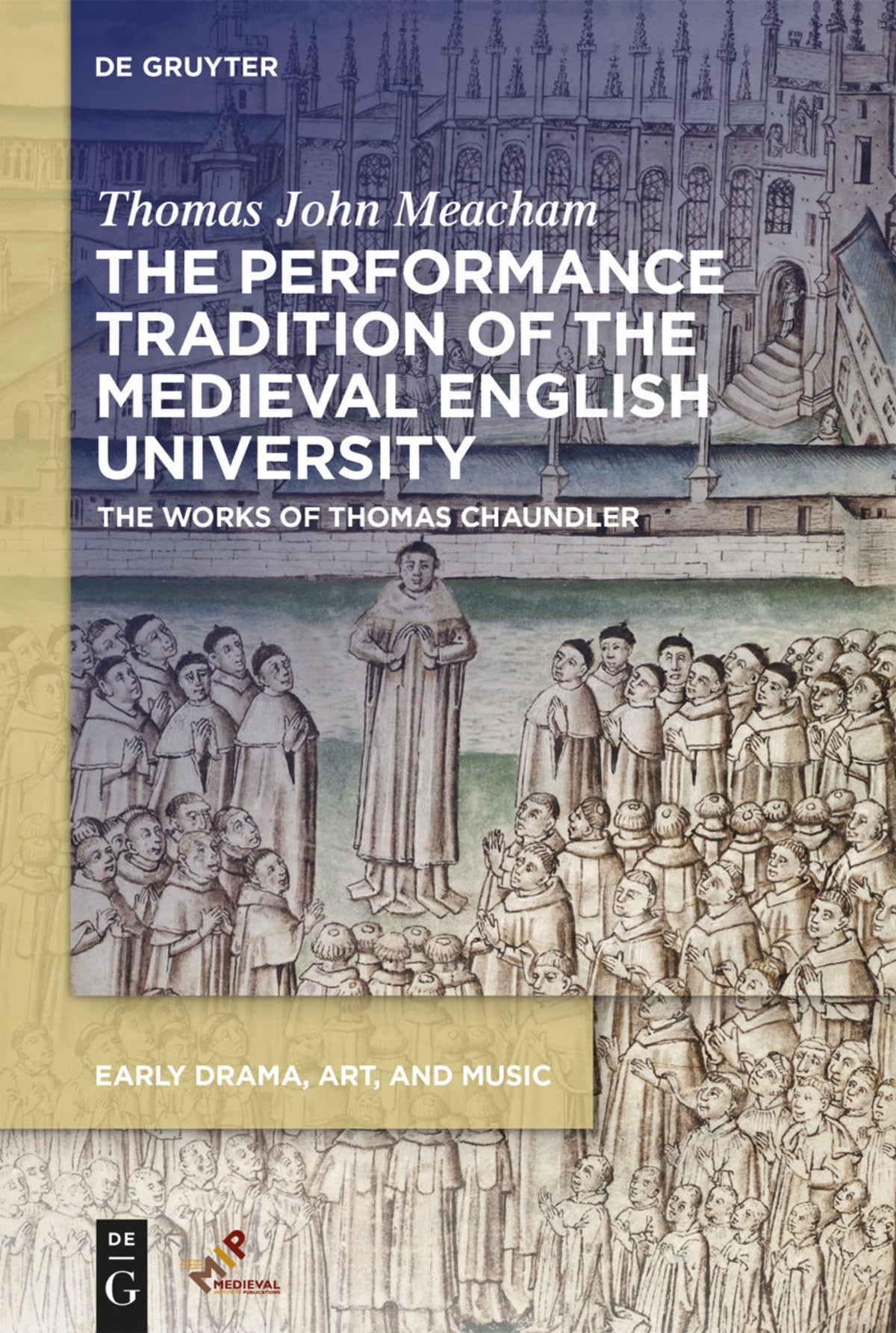

This is a truly paradigm-shifting study that reads a key text in Latin Humanist studies as the culmination, rather than an early example, of a tradition in university drama. It persuasively argues against the common assumption that there was no "drama" in the medieval universities until the syllabus was influenced by humanist ideas, and posits a new way of reading the performative dimensions of fourteenth and fifteenth-century university education in, for example, Ciceronian tuition on epistolary delivery. David Bevington calls it "an impressively learned discussion" and commends the sophistication of its use of performativity theory.


Thomas Meacham is Director of the Arts Center and Assistant Professor of Theatre at Lake Superior State University. His research explores unconventional medieval performance practices in addition to contemporary examinations of performativity and gender. He received the June Bennett Larsen Fellowship from the theatre department at the CUNY Graduate Center and the Schallek Award from the Medieval Academy of America in recognition for his dissertation.