


Some error occured while loading the Quick View. Please close the Quick View and try reloading the page.
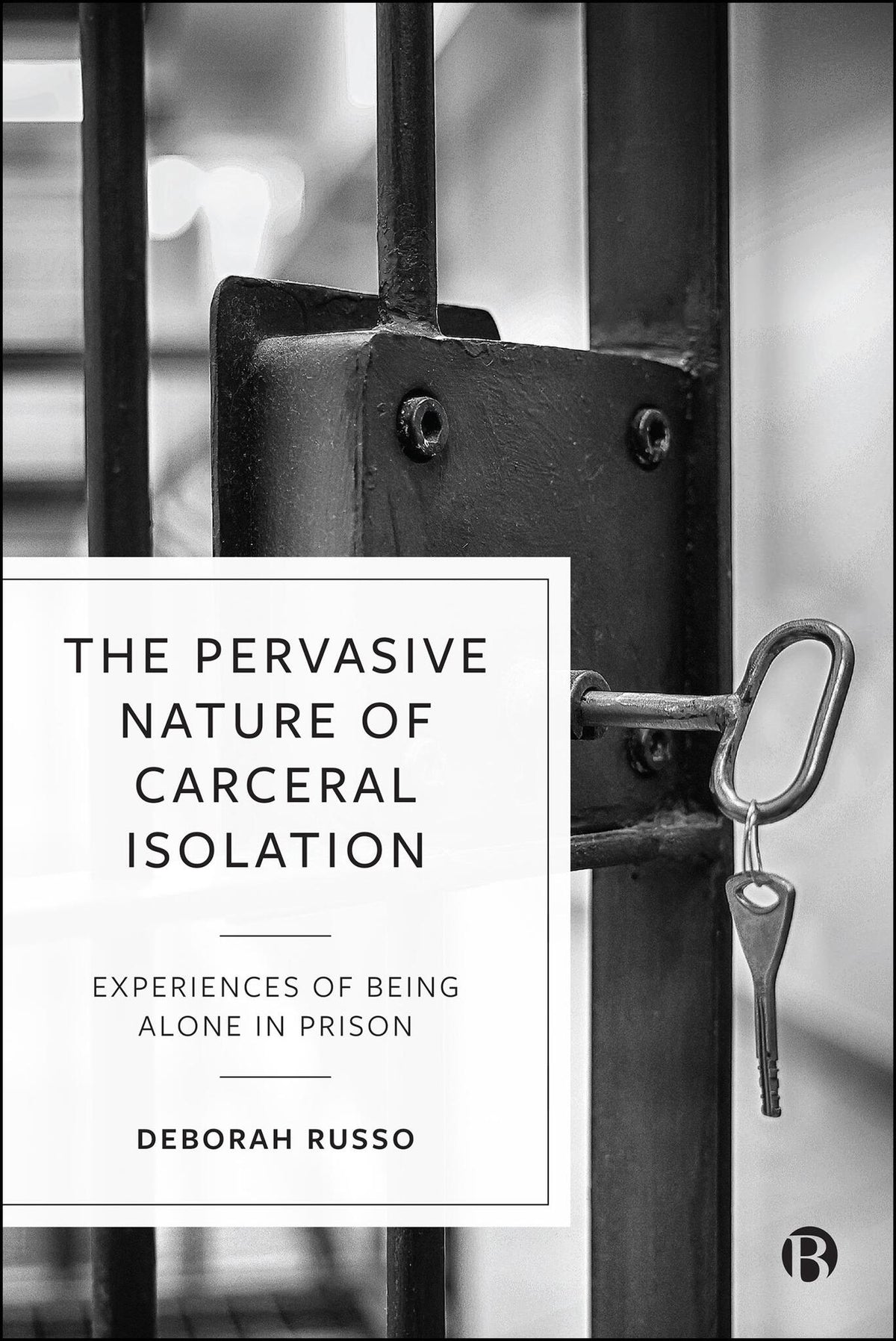
This book offers a powerful exploration of isolation in prison, using an innovative letter-writing research methodology with incarcerated men in Scotland. While existing law and policy assumes isolation only takes place in solitary confinement, this book reveals how it in fact permeates everyday prison life – one of the prisoners writes that there is ‘no such thing’ as meaningful human contact in prison.
Examining how factors such as offence type, gender identity and health conditions shape lived experience, it unpacks the prisoners’ complex relationships with solitude, loneliness and coping mechanisms. With international legal perspectives integral to the narrative, the book reframes how isolation in prison is understood and can be addressed.


Deborah Russo is Lecturer in Criminology at Edinburgh Napier University.
Deborah Russo is currently undertaking a British Academy postdoctoral fellowship at the University of Glasgow Law School, where she is researching the long-term incarceration of women in Scotland. Prior to her academic career, Deborah practiced as a prison lawyer in England and Wales and as Co-Director of the legal charity the Prisoners Advice Service.
Introduction
1. Concepts and Effects of Isolation
2. Letter-Writing and Catharsis
3. International Framework
4. Scotland and Penal Isolation
5. What Forms Does Isolation Take in Prison?
6. Some Factors Affecting Isolation
7. Feelings of Isolation and Coping
8. Meaningful Human Contact
Conclusion