


Some error occured while loading the Quick View. Please close the Quick View and try reloading the page.
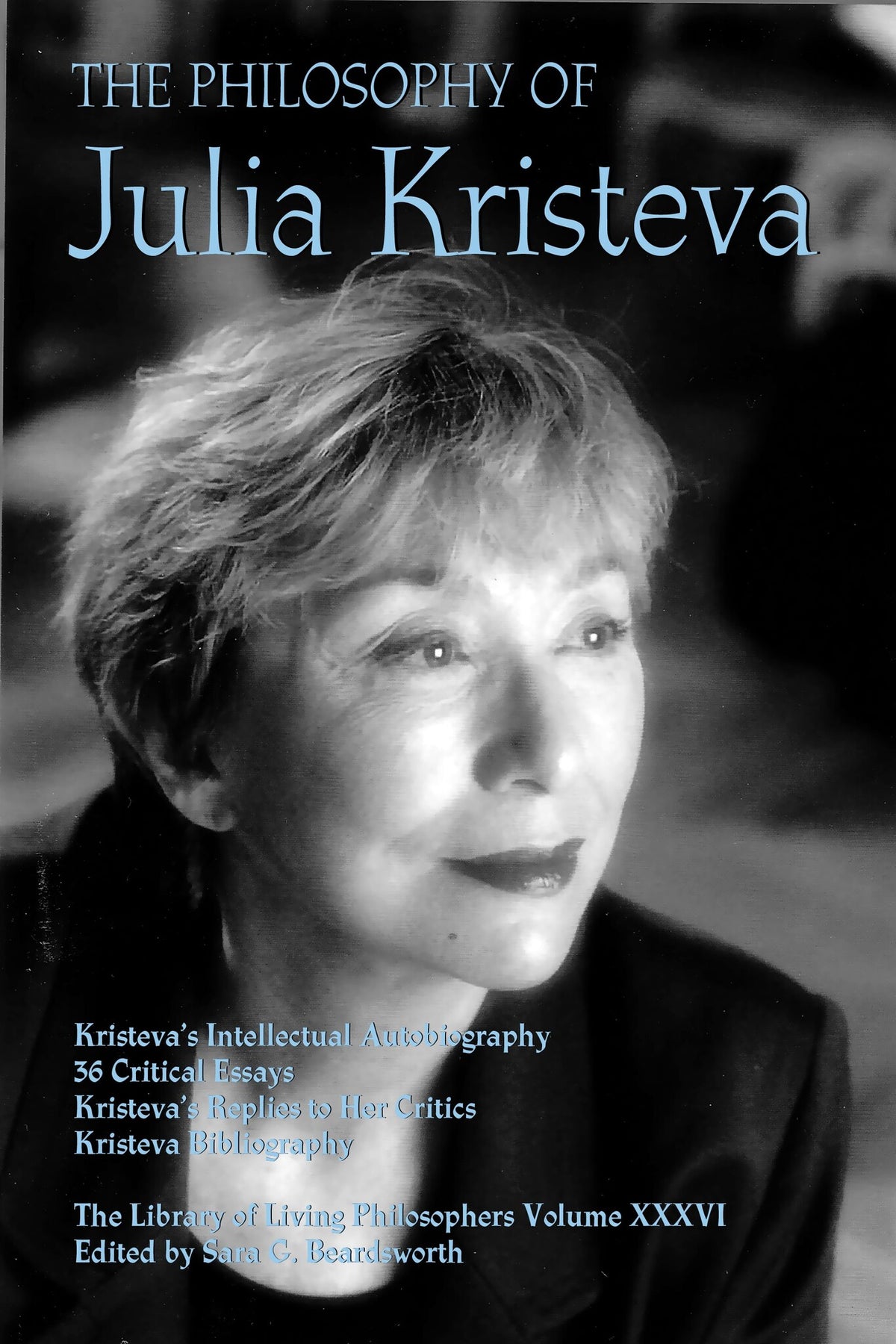
The Philosophy of Julia Kristeva is the latest addition to the highly acclaimed series, The Library of Living Philosophers. The book epitomizes the objectives of this acclaimed series; it contains critical interpretation of one of the greatest philosophers of our time, and pursues more creative regional and world dialogue on philosophical questions. The format provides a detailed interaction between those who interpret and critique Kristeva’s work and the seminal thinker herself, giving broad coverage, from diverse viewpoints, of all the major topics establishing her reputation. With questions directed to the philosopher while they are alive, the volumes in The Library of Living Philosophers have come to occupy a uniquely significant place in the realm of philosophy. The inclusion of Julia Kristeva constitutes a vital addition to an already robust list of thinkers.
The Philosophy of Julia Kristeva exemplifies world-class intellectual work closely connected to the public sphere. Kristeva has been said to have “inherited the intellectual throne left vacant by Simone de Beauvoir,” and has won many awards, including the Hannah Arendt Prize for Political Thought.
Julia Kristeva’s autobiography provides an excellent introduction to her work, situating it in relation to major political, intellectual, and cultural movements of the time. Her upbringing in Soviet-dominated Bulgaria, her move to the French intellectual landscape of the 1960s, her visit to Mao’s China, her response to the fall of the Berlin Wall, her participation in a papal summit on humanism, her appointment by President Chirac as President of the National Council on Disability, and her setting up of the Simone de Beauvoir prize, honoring women in active and creative fields, are all major moments of this fascinating life. The major part of the book is comprised of thirty-six essays by Kristeva’s foremost interpreters and critics, together with her replies to the essays. These encounters cover an exceptionally wide range of theoretical and literary writing. The strong international and multidisciplinary focus includes authors from over ten countries, and spans the fields of philosophy, semiotics, literature, psychoanalysis, feminist thought, political theory, art, and religion. The comprehensive bibliography provides further access to Kristeva’s writings and thought.
The preparation of this volume, the thirty-sixth in the series, was supported by a major grant from the National Endowment for the Humanities.
The Philosophy of Julia Kristeva exemplifies world-class intellectual work closely connected to the public sphere. Kristeva has been said to have “inherited the intellectual throne left vacant by Simone de Beauvoir,” and has won many awards, including the Hannah Arendt Prize for Political Thought.
Julia Kristeva’s autobiography provides an excellent introduction to her work, situating it in relation to major political, intellectual, and cultural movements of the time. Her upbringing in Soviet-dominated Bulgaria, her move to the French intellectual landscape of the 1960s, her visit to Mao’s China, her response to the fall of the Berlin Wall, her participation in a papal summit on humanism, her appointment by President Chirac as President of the National Council on Disability, and her setting up of the Simone de Beauvoir prize, honoring women in active and creative fields, are all major moments of this fascinating life. The major part of the book is comprised of thirty-six essays by Kristeva’s foremost interpreters and critics, together with her replies to the essays. These encounters cover an exceptionally wide range of theoretical and literary writing. The strong international and multidisciplinary focus includes authors from over ten countries, and spans the fields of philosophy, semiotics, literature, psychoanalysis, feminist thought, political theory, art, and religion. The comprehensive bibliography provides further access to Kristeva’s writings and thought.
The preparation of this volume, the thirty-sixth in the series, was supported by a major grant from the National Endowment for the Humanities.

Price: $199.95
Pages: 908
Publisher: Open Court
Imprint: Open Court
Series: Library of Living Philosophers
Publication Date:
18 August 2020
Trim Size: 9.00 X 6.00 in
ISBN: 9780812694895
Format: Hardcover
BISACs:
PHILOSOPHY / General, PSYCHOLOGY / Movements / Psychoanalysis, PSYCHOLOGY / Psychopathology / Depression, LITERARY CRITICISM / European / French, LITERARY CRITICISM / Semiotics & Theory, LITERARY CRITICISM / Subjects & Themes / Women, LITERARY CRITICISM / Women Authors, PHILOSOPHY / Movements / Structuralism, LANGUAGE ARTS & DISCIPLINES / Linguistics / Semantics, FAMILY & RELATIONSHIPS / Parenting / Motherhood, PHILOSOPHY / Language

Sara G. Beardsworth is Associate Professor and Editor of the Library of Living Philosophers, Department of Philosophy, Southern Illinois University at Carbondale. She is the author of Julia Kristeva: Psychoanalysis and Modernity and co-editor of The Philosophy of Umberto Eco.
TABLE OF CONTENTS
Frontispiece
General Introduction to the Library of Living Philosophers
Founder’s General Introduction to the Library of Living Philosophers
Advisory Board
Preface
PART ONE: Intellectual Autobiography of Julia Kristeva
Sample of Kristeva’s Handwriting
Intellectual Autobiography of Julia Kristeva: Je me voyage, A Journey Across Borders and Through Identities
PART TWO: DESCRIPTIVE AND CRITICAL ESSAYS ON THE PHILOSOPHY OF JULIA KRISTEVA WITH REPLIES
I. Language and Semiotics
1. Dominique Ducard: The Semiotic Chora and the Inner Life of Language
2. John Lechte: Language, Literature, and the Founding Murder in the Work of Julia Kristeva
3. Eléana Mylona: Julia Kristeva Between the Semiotic and the Symbolic: The Process of Significance
Reply to Dominique Ducard, John Lechte, and Eléana Mylona
II. Theory of Literature
4. Marian Hobson: Julia Kristeva’s Farewell to Philosophy
5. Miglena Nikolchina: Signifiance and Transubstantiation: The Returns of the Avant-Garde in Kristeva’s Philosophy of Literature
6. Maria Margaroni: Artaud’s Madness and the Literary Obscene: Humanism and Its Double in Julia Kristeva
7. Philippe Forest: Birth of the Novel, Yesterday and Today
Reply to Marian Hobson, Miglena Nikolchina, Maria Margaroni, and Philippe Forest
III. Psychoanalysis
8. Bernard Brusset: Julia Kristeva: Original and Innovative Contributions at The Core of Psychoanalytic Theory
9. Jean-Louis Baldacci: Abjection, Reliance, and Sublimation
10. Jean-François Rabain: Julia Kristeva, Reader of Aragon
Reply to Bernard Brusset, Jean-Louis Baldacci, and Jean-François Rabain
IV. Art and Aesthetics
11. Anish Kapoor: Dear Julia
12. Elaine P. Miller: Julia Kristeva on the Severed Head and Other Maternal “Capital Visions”
13. Carin Franzén: An Antidote to the Crisis of Contemporary Culture: Rereading Kristeva on Duras
14. Françoise Coblence: Aesthetics According to Julia Kristeva
Reply to Anish Kapoor, Elaine P. Miller, Carin Franzén, and Françoise Coblence
V. Philosophy in the Novels
15. David Uhrig: No Present Apart
16. Pierre-Louis Fort: Julia Kristeva and the Detective Novel: Fiction and Metaphysics
Reply to David Uhrig and Pierre-Louis Fort
VI. Melancholy, Love, and the Sacred
17. Edward S. Casey: Depression: Heading Down and Out
18. Alina Feld: Melancholia: Passing Through and Beyond
19. Michal Ben-Naftali: A Baroque Reading of Tales of Love
20. Keren Mock: Language and Sacredness in the Quest for Subjectivity
Reply to Edward S. Casey, Alina N. Feld, Michal Ben-Naftali, and Keren Mock
VII. Desire, Knowledge, and Belief
21. Robert Harvey: Of Incredibility in the Need to Believe: A Philosophical Exploration
22. Alain Delaye: The Need to Believe and the Desire to Know
Reply to Robert Harvey and Alain Delaye
VIII. Theory of Revolt
23. Emilia Angelova: Abjection and the Maternal Semiotic in Kristeva’s Intimate Revolt
24. Sarah K. Hansen: Intimate Revolt at the Margins of Community and the Hope of Postcoloniality
25. Daniel Cohn-Bendit: Hannah Arendt Prize Speech 2006
Reply to Emilia Angelova, Sarah K. Hansen, and Daniel Cohn-Bendit
IX. Maternity and Maternal Reliance
26. Rosemary Balsam: The Controversial Nature of Kristeva’s “Maternal Reliance”
27. Rachel Boué-Widawsky: Maternal Eroticism and the Journey of a Concept in Kristeva’s Work
28. Fanny Söderbäck: Maternal Enigmas: Kristeva and the Paradoxes of Motherhood
Reply to Rosemary Balsam, Rachel Boué-Widawsky, and Fanny Söderbäck
X. Philosophy of Public Health
29. Charles Gardou: The “Intimate Face” of a Common Thought and Action
30. Eivind Engebretsen: Evidence-Based Medicine and the Irreducible Singularity of Being: Kristeva’s Contribution to the Medical Humanities
31. Marie-Rose Moro: The Polyglot Imaginary, a Poetics, and a Clinic
32. Jean Vanier: “Their Look Pierces Our Shadows”
Reply to Charles Gardou, Eivind Engebretsen, Marie-Rose Moro, and Jean Vanier
XI. Ethics and Politics
33. Cecilia Sjöholm: From Denial to Forgiveness: Kristeva, Arendt, and Radicalization
34. Ewa Ziarek: A Materialist Ethics of Psychoanalysis? Reflections on Matter, Forgiveness, and Vulnerability
35. Noëlle McAfee: Kristeva’s Latent Political Theory
36. Kelly Oliver: The Democracy of Proximity and Kristeva’s New Humanism
Reply to Cecilia Sjöholm, Ewa Ziarek, Noëlle McAfee, and Kelly Oliver
PART THREE: Bibliography of the Writings of Julia Kristeva
Index
Frontispiece
General Introduction to the Library of Living Philosophers
Founder’s General Introduction to the Library of Living Philosophers
Advisory Board
Preface
PART ONE: Intellectual Autobiography of Julia Kristeva
Sample of Kristeva’s Handwriting
Intellectual Autobiography of Julia Kristeva: Je me voyage, A Journey Across Borders and Through Identities
PART TWO: DESCRIPTIVE AND CRITICAL ESSAYS ON THE PHILOSOPHY OF JULIA KRISTEVA WITH REPLIES
I. Language and Semiotics
1. Dominique Ducard: The Semiotic Chora and the Inner Life of Language
2. John Lechte: Language, Literature, and the Founding Murder in the Work of Julia Kristeva
3. Eléana Mylona: Julia Kristeva Between the Semiotic and the Symbolic: The Process of Significance
Reply to Dominique Ducard, John Lechte, and Eléana Mylona
II. Theory of Literature
4. Marian Hobson: Julia Kristeva’s Farewell to Philosophy
5. Miglena Nikolchina: Signifiance and Transubstantiation: The Returns of the Avant-Garde in Kristeva’s Philosophy of Literature
6. Maria Margaroni: Artaud’s Madness and the Literary Obscene: Humanism and Its Double in Julia Kristeva
7. Philippe Forest: Birth of the Novel, Yesterday and Today
Reply to Marian Hobson, Miglena Nikolchina, Maria Margaroni, and Philippe Forest
III. Psychoanalysis
8. Bernard Brusset: Julia Kristeva: Original and Innovative Contributions at The Core of Psychoanalytic Theory
9. Jean-Louis Baldacci: Abjection, Reliance, and Sublimation
10. Jean-François Rabain: Julia Kristeva, Reader of Aragon
Reply to Bernard Brusset, Jean-Louis Baldacci, and Jean-François Rabain
IV. Art and Aesthetics
11. Anish Kapoor: Dear Julia
12. Elaine P. Miller: Julia Kristeva on the Severed Head and Other Maternal “Capital Visions”
13. Carin Franzén: An Antidote to the Crisis of Contemporary Culture: Rereading Kristeva on Duras
14. Françoise Coblence: Aesthetics According to Julia Kristeva
Reply to Anish Kapoor, Elaine P. Miller, Carin Franzén, and Françoise Coblence
V. Philosophy in the Novels
15. David Uhrig: No Present Apart
16. Pierre-Louis Fort: Julia Kristeva and the Detective Novel: Fiction and Metaphysics
Reply to David Uhrig and Pierre-Louis Fort
VI. Melancholy, Love, and the Sacred
17. Edward S. Casey: Depression: Heading Down and Out
18. Alina Feld: Melancholia: Passing Through and Beyond
19. Michal Ben-Naftali: A Baroque Reading of Tales of Love
20. Keren Mock: Language and Sacredness in the Quest for Subjectivity
Reply to Edward S. Casey, Alina N. Feld, Michal Ben-Naftali, and Keren Mock
VII. Desire, Knowledge, and Belief
21. Robert Harvey: Of Incredibility in the Need to Believe: A Philosophical Exploration
22. Alain Delaye: The Need to Believe and the Desire to Know
Reply to Robert Harvey and Alain Delaye
VIII. Theory of Revolt
23. Emilia Angelova: Abjection and the Maternal Semiotic in Kristeva’s Intimate Revolt
24. Sarah K. Hansen: Intimate Revolt at the Margins of Community and the Hope of Postcoloniality
25. Daniel Cohn-Bendit: Hannah Arendt Prize Speech 2006
Reply to Emilia Angelova, Sarah K. Hansen, and Daniel Cohn-Bendit
IX. Maternity and Maternal Reliance
26. Rosemary Balsam: The Controversial Nature of Kristeva’s “Maternal Reliance”
27. Rachel Boué-Widawsky: Maternal Eroticism and the Journey of a Concept in Kristeva’s Work
28. Fanny Söderbäck: Maternal Enigmas: Kristeva and the Paradoxes of Motherhood
Reply to Rosemary Balsam, Rachel Boué-Widawsky, and Fanny Söderbäck
X. Philosophy of Public Health
29. Charles Gardou: The “Intimate Face” of a Common Thought and Action
30. Eivind Engebretsen: Evidence-Based Medicine and the Irreducible Singularity of Being: Kristeva’s Contribution to the Medical Humanities
31. Marie-Rose Moro: The Polyglot Imaginary, a Poetics, and a Clinic
32. Jean Vanier: “Their Look Pierces Our Shadows”
Reply to Charles Gardou, Eivind Engebretsen, Marie-Rose Moro, and Jean Vanier
XI. Ethics and Politics
33. Cecilia Sjöholm: From Denial to Forgiveness: Kristeva, Arendt, and Radicalization
34. Ewa Ziarek: A Materialist Ethics of Psychoanalysis? Reflections on Matter, Forgiveness, and Vulnerability
35. Noëlle McAfee: Kristeva’s Latent Political Theory
36. Kelly Oliver: The Democracy of Proximity and Kristeva’s New Humanism
Reply to Cecilia Sjöholm, Ewa Ziarek, Noëlle McAfee, and Kelly Oliver
PART THREE: Bibliography of the Writings of Julia Kristeva
Index
- Choosing a selection results in a full page refresh.
- Opens in a new window.