


Some error occured while loading the Quick View. Please close the Quick View and try reloading the page.
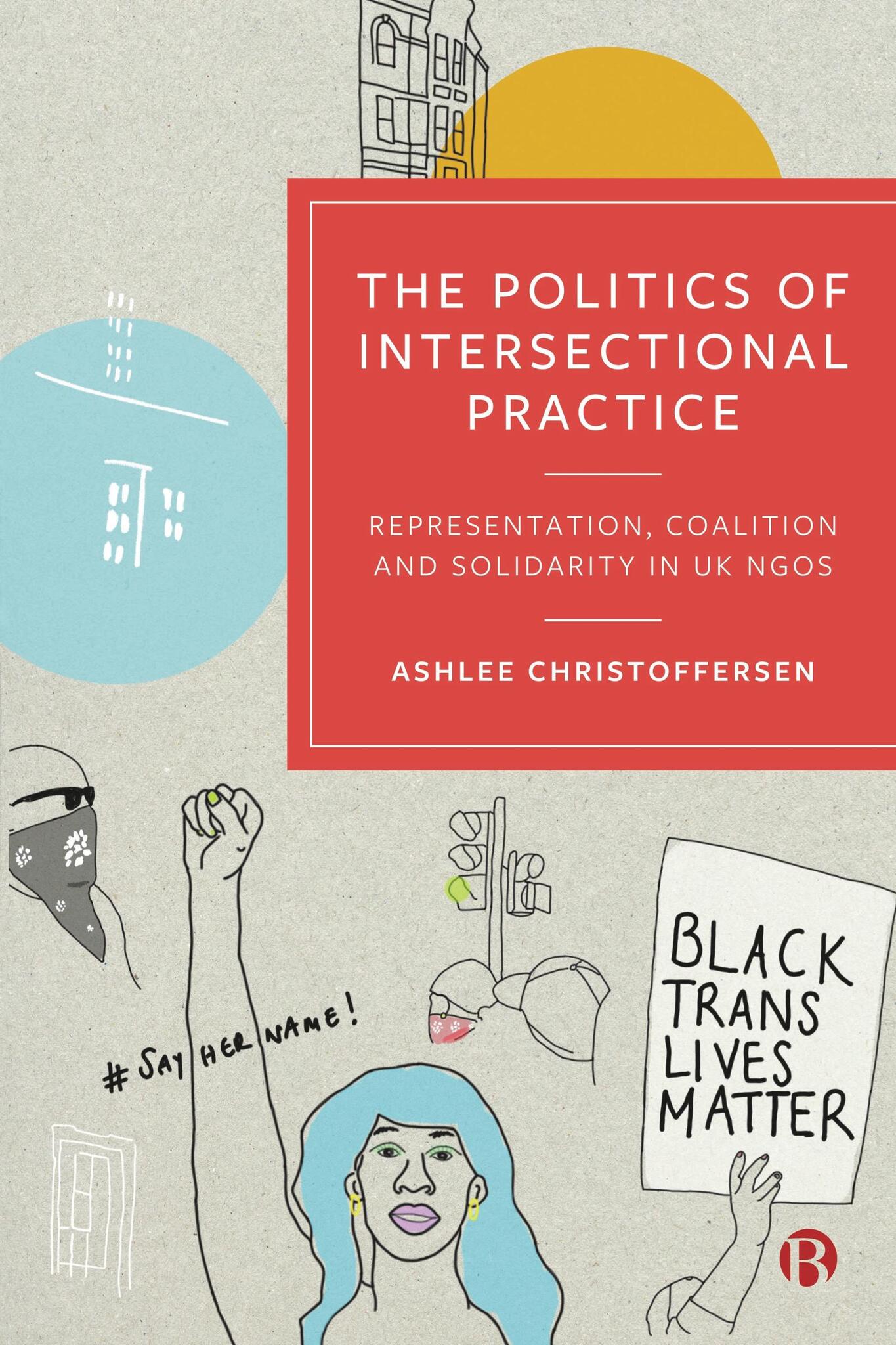
The Politics of Intersectional Practice has been shortlisted for the 2025 BSA Philip Abrams Memorial Prize and Mackenzie Book Prize.
It is increasingly recognized that, to achieve social justice, policies and organizations need to apply an intersectional approach, rather than addressing inequalities separately. However, intersectionality is a challenging theory to apply, as policy makers and practitioners often navigate the confines of divided policy areas.
This book examines the use of intersectionality in UK policy and practice, with a specific focus on NGOs, outlining five distinct interpretations of intersectional practice and their implications.
Drawing from extensive fieldwork with a diverse range of equality organizations, this book offers invaluable insights into how policy and practice can be organized in more (and less) intersectional ways.


"This is an unflinching analysis of the realities of applying intersectionality ‘on the ground’ in equality organizations. Christoffersen identifies these challenges to then envisage transformative alternatives, here and now, for intersectional justice in policy and practice. " Leah Bassel, Coventry University
“The question, approach and unit of analysis are novel in the best way. They chart a path of further inquiry on the relationships between the state, institutional entities and intersectionality.” Erica Townsend-Bell, Oklahoma State University
“The Politics of Intersectional Practice” uses rigorous social science research to explore the important and timely question of how ‘intersectionality’ is applied. Intersectionality as a feminist concept has become so pervasive that its insurrectionary roots as an applied theory of progressive change is oftentimes neglected. In this book, Ashlee Christoffersen reminds us of the importance of examining whether intersectionality, as it is practiced, meets its feminist ideals. By researching how equality NGOs in England and in Scotland apply principles of intersectionality in their work, Christoffersen highlights the complex interactions between equality policy, the equality sector, and intersectionality. In doing so, Christofferson illuminates how, precisely, NGOs and progressive social movements can become truly intersectional in their work on the ground. Simply put, this book is a must-read!” Ethel Tungohan, York University
1. Introduction: equality policy, the NGO sector and intersectionality
Part 1
2. Assessing intersectionality’s operationalization: Fields and issues of practice
Part 2
3. Contextualising intersectionality: Equality policy, austerity and relations with the state
4. Perceptions and practices: The spectrum of ‘intersectionality’
Part 3
5. Representation: The politics of intersectionality in practice
6. Coalition: Solidarity and intersectional practice
7. Conclusion: Intersectional practice – Ideas, politics and policy
Appendix 1: Participants
Appendix 2: Selections and methods