


Some error occured while loading the Quick View. Please close the Quick View and try reloading the page.
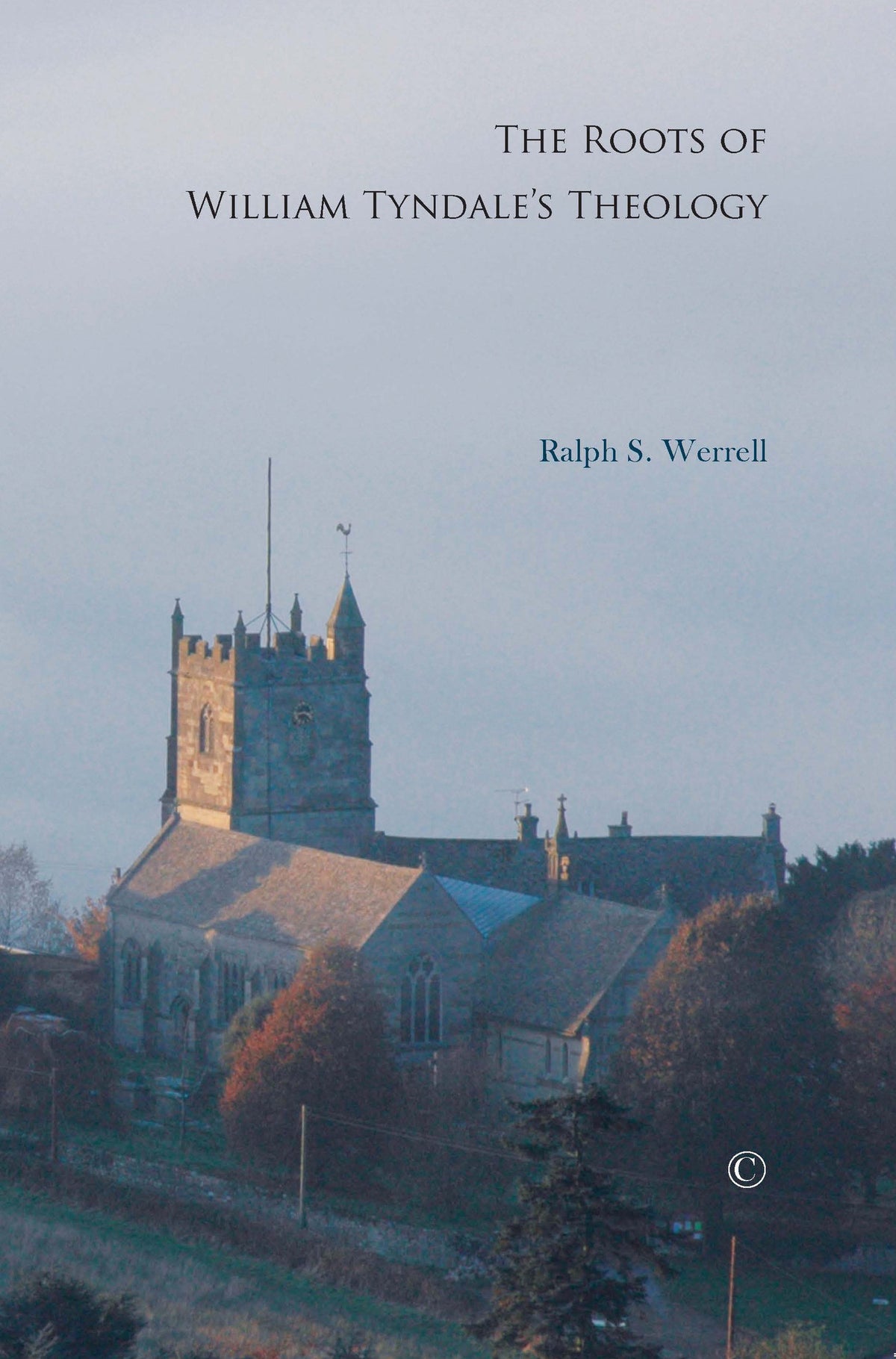
A study of the theology of the English Reformer William Tyndale, emphasising his originality and showing that he was little influenced by Continental Reformers.
William Tyndale is one of the most important of the early reformers, and particularly through his translation of the New Testament, has had a formative influence on the development of the English language and religious thought. The sources of his theology are, however, not immediately clear, and historians have often seen him as being influenced chiefly by continental, and in particular Lutheran, ideas. In his important new book, Ralph Werrell shows that the most important influences were to be found closer to home, and that the home-grown Wycliffite tradition was of far greater importance.
In doing so, Werrell shows that the apparent differences between Tyndale's writings from the period before 1530 and his later writings, in the period leading up to his arrest and martyrdom in 1526, are spurious, and that a simpler explanation is that his ideas were formed as a result of an upbringing in a household in which Wycliffite ideas were accepted.
Werrell explores the impact of humanist writers, and above all Erasmus, on the development of Tyndale's thought. He also shows how far Tyndale's theology, fully developed by 1525, was from that of the continental reformers. He then examines in detail some of the main strands of Tyndale's thought - and in particular, doctrines such as the Fall, Salvation, the Sacraments and the Blood of Christ - showing how different they are from Luther and most other contemporary reformers. While Tyndale, in his early writings, used some of Luther's writings, he made theological changes and additions to Luther's text. The influences of John Trevisa, Wyclif and the later Wycliffite writers were far more important. Werrell shows that without accepting the huge influence of the Wycliffite ideas, Tyndale's significance as a theologian, and the development of the English Reformation cannot be fully understood.
William Tyndale is one of the most important of the early reformers, and particularly through his translation of the New Testament, has had a formative influence on the development of the English language and religious thought. The sources of his theology are, however, not immediately clear, and historians have often seen him as being influenced chiefly by continental, and in particular Lutheran, ideas. In his important new book, Ralph Werrell shows that the most important influences were to be found closer to home, and that the home-grown Wycliffite tradition was of far greater importance.
In doing so, Werrell shows that the apparent differences between Tyndale's writings from the period before 1530 and his later writings, in the period leading up to his arrest and martyrdom in 1526, are spurious, and that a simpler explanation is that his ideas were formed as a result of an upbringing in a household in which Wycliffite ideas were accepted.
Werrell explores the impact of humanist writers, and above all Erasmus, on the development of Tyndale's thought. He also shows how far Tyndale's theology, fully developed by 1525, was from that of the continental reformers. He then examines in detail some of the main strands of Tyndale's thought - and in particular, doctrines such as the Fall, Salvation, the Sacraments and the Blood of Christ - showing how different they are from Luther and most other contemporary reformers. While Tyndale, in his early writings, used some of Luther's writings, he made theological changes and additions to Luther's text. The influences of John Trevisa, Wyclif and the later Wycliffite writers were far more important. Werrell shows that without accepting the huge influence of the Wycliffite ideas, Tyndale's significance as a theologian, and the development of the English Reformation cannot be fully understood.

Price: $40.95
Pages: 196
Publisher: Boydell & Brewer Inc.
Imprint: James Clarke
Publication Date:
29 August 2013
Trim Size: 9.21 X 6.14 in
ISBN: 9780227174029
Format: Paperback
BISACs:
RELIGION / Christian Theology / General, RELIGION / Christianity / History

This is a scholarly work, dealing with deep theological issues, but it is not a difficult read and its thesis is an exciting one [...]. In all this is an excellent book, and we are indebted to its author.
— Dr. S. Westcott
What Werrell has given us is a Tyndale firm in his own doctrine but aware of contemporary opinion and a man seeking the best way to express his own views... I think that any scholar interested in the English Reformation (or with Tyndale in particular) will benefit from reading this book.
— Andrew Chibi
Werrell's agenda appears to be establishing an independent English theological tradition from Wyclif through Tyndale to the Church of England's Thirty-Nine Articles.
— Tim Gessner
Mr. Werrell's...overall argument is a convincing one.
— Dr. S. Westcott
What Werrell has given us is a Tyndale firm in his own doctrine but aware of contemporary opinion and a man seeking the best way to express his own views... I think that any scholar interested in the English Reformation (or with Tyndale in particular) will benefit from reading this book.
— Andrew Chibi
Werrell's agenda appears to be establishing an independent English theological tradition from Wyclif through Tyndale to the Church of England's Thirty-Nine Articles.
— Tim Gessner
Mr. Werrell's...overall argument is a convincing one.
Foreword
Preface
Abbreviations
1. Introduction
PART ONE
2. Lollardy, Trevisa, the Church Fathers and Tyndale
3. Tyndale, the Continental Reformers: Sola Scriptura
4. Erasmus and Humanism
PART TWO
5. The Blood of Christ
6. God the Trinity: The Father, the Son, and the Holy Spirit - the Covenant
7. Creation, the Fall, and Man's Slavery
8. Man's Salvation
9. The Christian Life
10. The Sacraments
11. The Church and State
12. Conclusion
Bibliography
Index
Preface
Abbreviations
1. Introduction
PART ONE
2. Lollardy, Trevisa, the Church Fathers and Tyndale
3. Tyndale, the Continental Reformers: Sola Scriptura
4. Erasmus and Humanism
PART TWO
5. The Blood of Christ
6. God the Trinity: The Father, the Son, and the Holy Spirit - the Covenant
7. Creation, the Fall, and Man's Slavery
8. Man's Salvation
9. The Christian Life
10. The Sacraments
11. The Church and State
12. Conclusion
Bibliography
Index