


Some error occured while loading the Quick View. Please close the Quick View and try reloading the page.
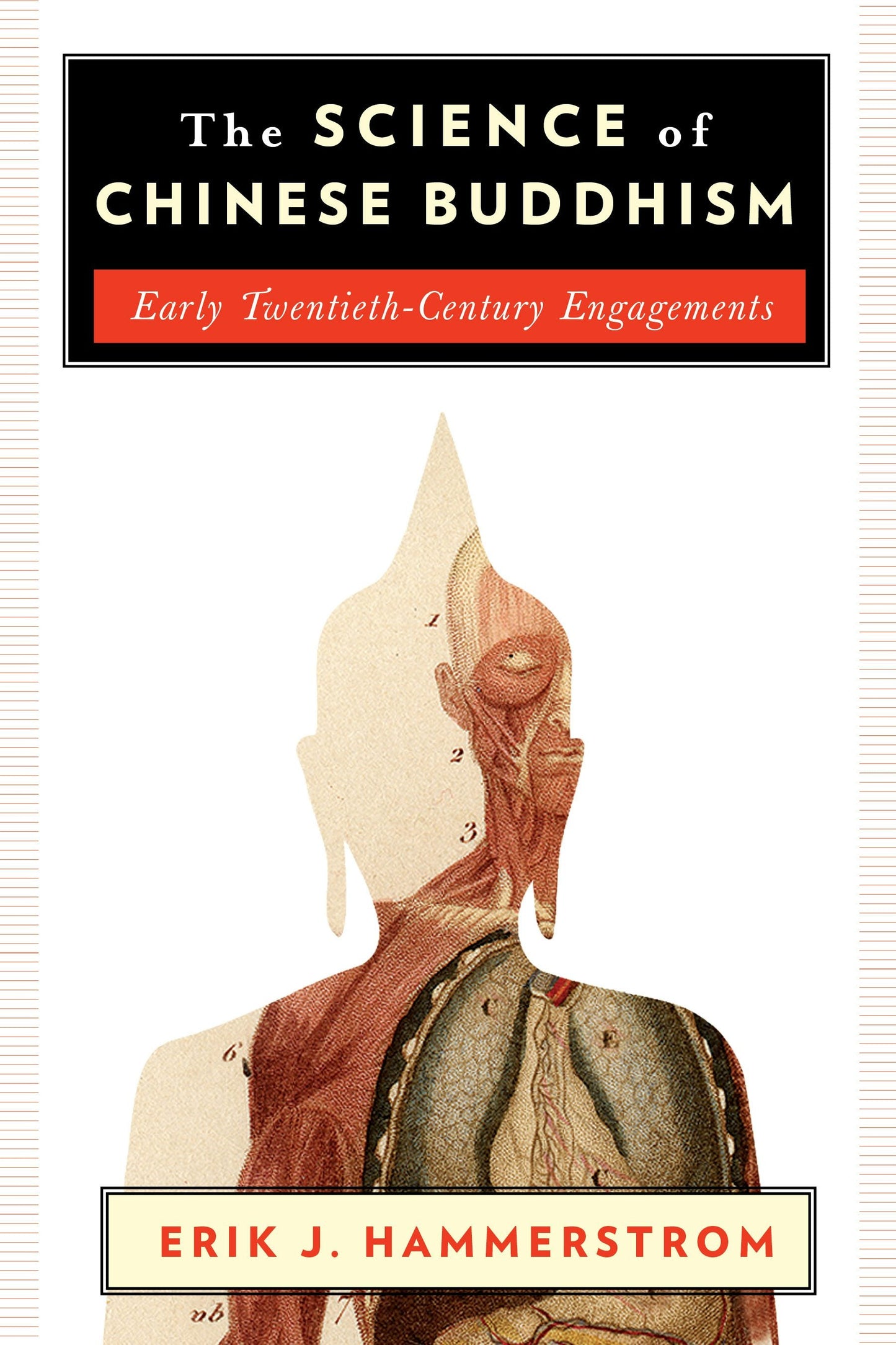
Kexue, or science, captured the Chinese imagination in the early twentieth century, promising new knowledge about the world and a dynamic path to prosperity. Chinese Buddhists embraced scientific language and ideas to carve out a place for their religion within a rapidly modernizing society.
Examining dozens of previously unstudied writings from the Chinese Buddhist press, this book maps Buddhists' efforts to rethink their traditions through science in the initial decades of the twentieth century. Buddhists believed science offered an exciting, alternative route to knowledge grounded in empirical thought, much like their own. They encouraged young scholars to study subatomic and relativistic physics while still maintaining Buddhism's vital illumination of human nature and its crucial support of an ethical system rooted in radical egalitarianism. Showcasing the rich and progressive steps Chinese religious scholars took in adapting to science's rising authority, this volume offers a key perspective on how a major Eastern power transitioned to modernity in the twentieth century and how its intellectuals anticipated many of the ideas debated by scholars of science and Buddhism today.


Preface
Introduction
1. The Historical Context
2. Views on the Physical Universe
3. Empiricism and the Means for Verification
4. The Nature of Mind
5. Ethics, Science, and Society
6. Science and Self-Cultivation
Epilogue
Notes
Glossary
Bibliography
Index