


Some error occured while loading the Quick View. Please close the Quick View and try reloading the page.
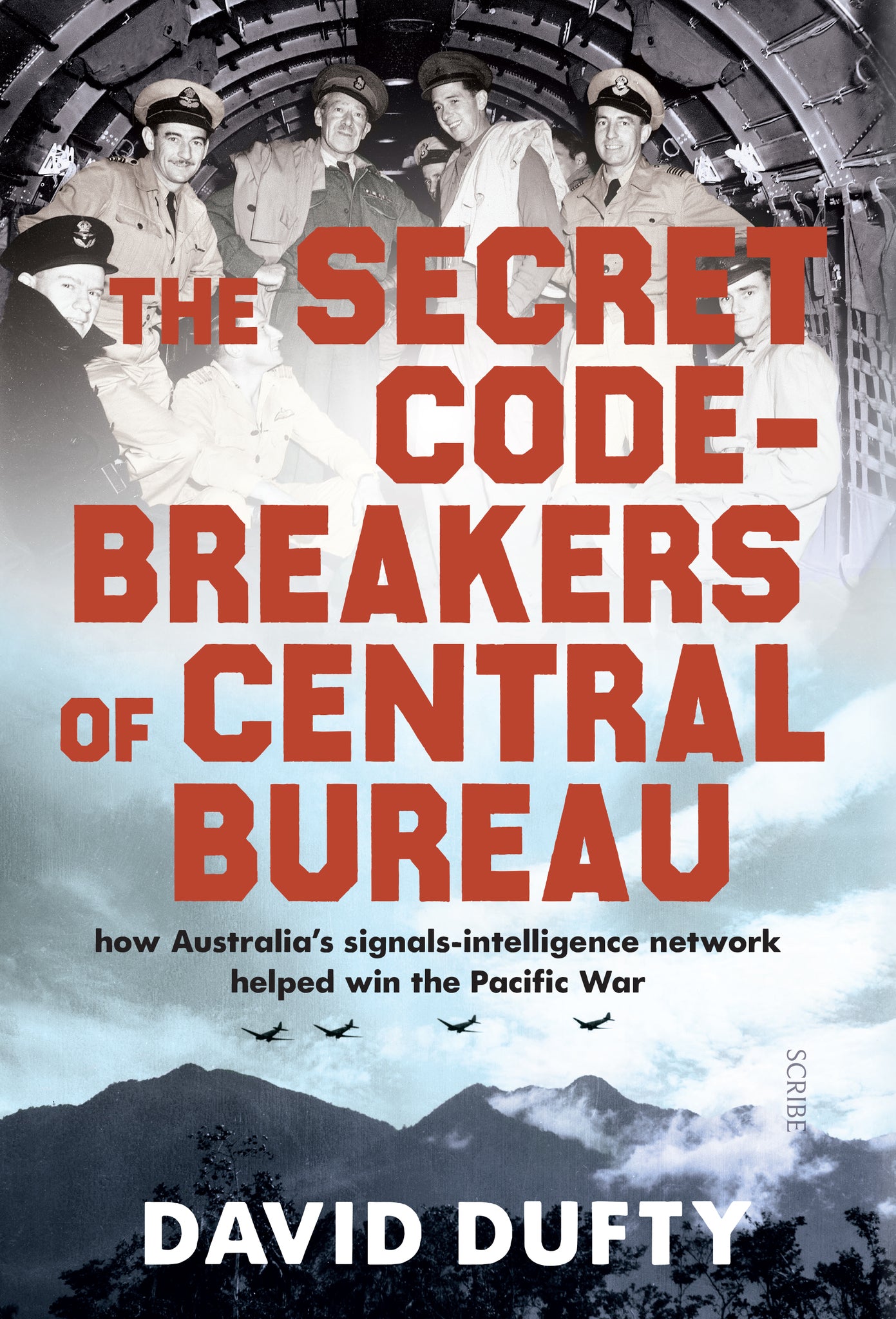
Alan Turing saved millions of lives. But Bletchley Park wasn’t the only major code-breaking operation during World War II. Down under, there was Central Bureau.
Central Bureau—Australia’s own large and sophisticated intelligence network, built from scratch. It was this group of mathematicians, code-breakers, and radio experts who intercepted the travel plans of the architect of the Pearl Harbor attack, Admiral Yamamoto, leading to his ambush and death. Australian signals intelligence also played a vital role in the battles of the Coral Sea, Milne Bay, Hollandia, and many others. General Douglas MacArthur, the supreme commander of the local Allied forces, went so far as to insist that the men of Central Bureau accompany him on his counter-attack in the Pacific.
After the war, the US sought to give these non-combatants the highest awards possible—honors that were suppressed by the Australian government in their need for secrecy. A groundbreaking work of military history, The Secret Code-Breakers of Central Bureau gives these talented and dedicated individuals their due at last. It is a rich account of the shadowy side of military strength and of the men and women whose work was, in the words of the US navy, of ‘immeasurable importance in the successful prosecution’ of the Pacific War.


“Who knew? This enthralling study tells a deeply human story. The men and women who gave our troops a significant edge in the fight against the Japanese are the genuine heroes in this engaging and exciting book.”
—Michael McKernan, author of The Strength of a Nation and When This Thing Happened
“A delightfully and thoroughly engaging story of the emergence of the Australian contribution to the signals and radio interception intelligence…Dufty’s writing style is light and easy to read, reminiscent of other contemporary historical narratives that tell a series of stories, most notably the emphasis of the human story associated with these experiences.”
—Rhys Ball, NZ International Review
“This is history and military strategy written at its most engaging.”
—Waikato Times
“The author weaves a true tale of intrigue, remarkable perseverance, urgency, and good luck.”
—Hawkes Bay Weekend
Abbreviations
Prologue: Names in the dirt
1939
1. The fires of a distant war
2. Tropical sickness
1940
3. Code Club
4. Sailor Jack
1941
5. A wireless unit in Greece
6. A purple jacket on Crete
7. Mrs Mac and her girls in green
8. Fabian’s tunnel
9. Stone frigates
10. The Special Intelligence Bureau
11. East wind, rain
12. East wind, clear
1942
13. Escape from Manila Bay
14. Beirut bookshops
15. The secrets of the Coral Sea
16. Cranleigh
17 Morse and Kana Code
18. Traffic
19. Leaks
20. Nyrambla
21. Wet boots
1943
22. Sausages and sandshoes
23. Planes in daylight
24. Computing machines
25. Killing Yamamoto
26. Noon positions
27. Kaindi
28. Joe Sherr’s final flight
29. Cartwheels
1944
30. The Sio box
31. Pappy Clark goes to Washington
32. Hollandia
33. The Yoshimo Maru
34. Biak
35. A view of Humboldt Bay
36. The Battle of Morotai
37. Akin’s secret unit
1945
38. Spies
39. Lingayan Gulf
40. The expanding web
41. The paper war over women
42. Tarlac
43. The Garage: a cryptological love story
44. All eyes on Kyushu
45. The mushroom cloud
46. A message for the emperor
47. Peace in the Pacific
48. Radio silence
1946 and beyond
49. Secret medals
50. Return to Nyrambla
Bibliography
Notes
Acknowledgements
Name Index
Subject Index