


Some error occured while loading the Quick View. Please close the Quick View and try reloading the page.
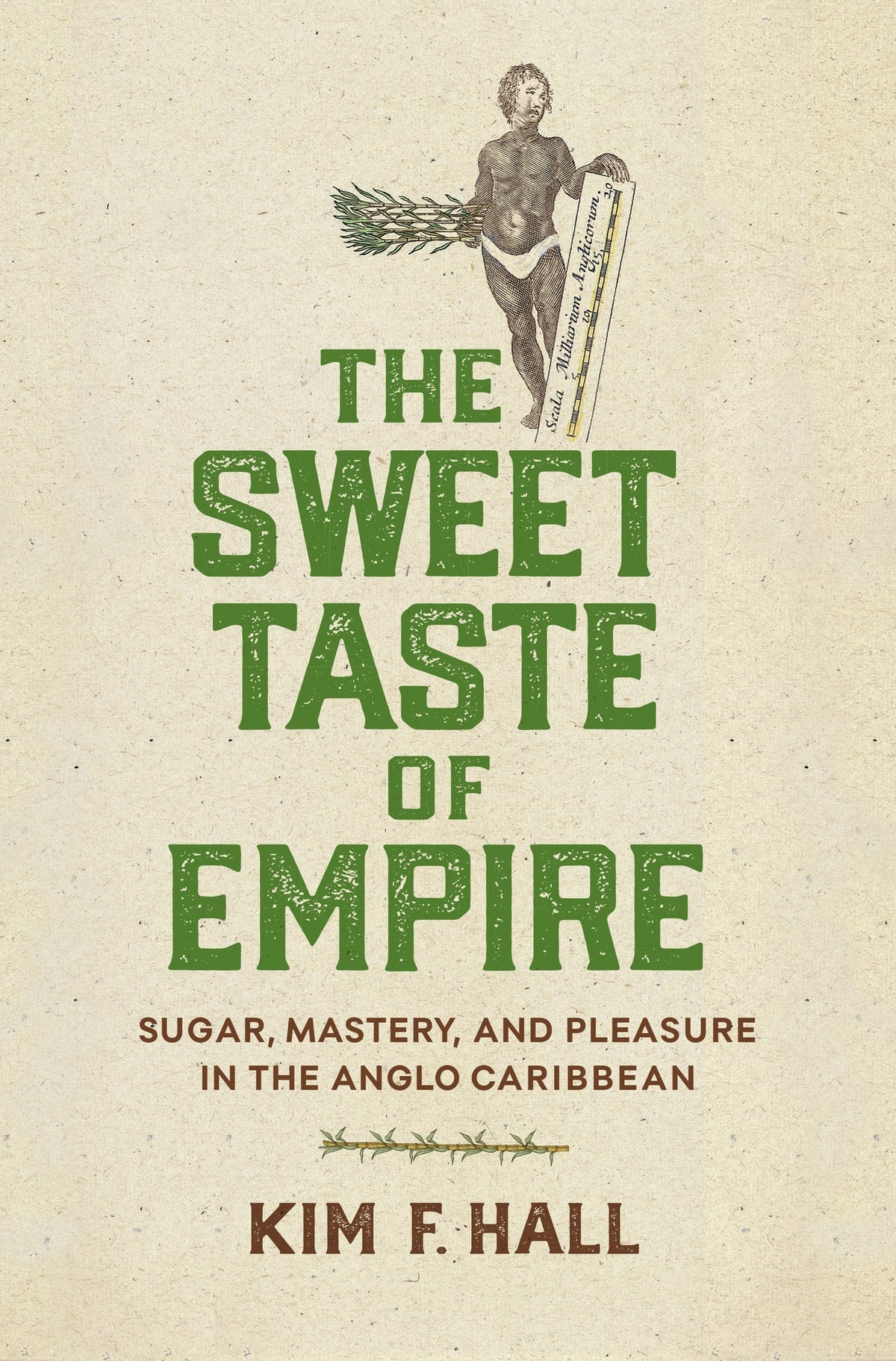
A look at how seventeenth-century English literary genres associated with gastronomic and aesthetic pleasure shaped representations of Caribbean colonization and slavery
Over the course of the seventeenth century, sugar prices fell drastically. As this newly affordable luxury made its way from royal entertainments to the closets of home cooks in ever increasing quantities, sugar bound England’s fortunes to the Caribbean. The pursuit of sugar’s pleasures and profits generated newly visible and vexed relationships—not simply between enslaved and enslaver but also between enslaved and consumer—that threatened the English sense of the nation, the household, and the self.
The Sweet Taste of Empire explores how the unique emphasis the English placed on confections as a marker of status and national identity offered a framework for grappling with changing notions of race, gender, labor, and domesticity that shaped early colonization. Tracing the literal and literary uses of sugar in seventeenth-century England, Kim F. Hall shows how literary genres associated with gastronomic and aesthetic pleasure shaped representations of Caribbean colonization and slavery, developing a culinary language that functioned as a discourse of pleasure and white innocence. In turn, Hall argues, Caribbean sugar production influenced domestic consumption and trade in England, as well as the very notion of what it meant to be English.
Drawing on a wide range of early Anglo-Caribbean texts—from cookbooks and banquet menus to economic poetry, to maps and treatises on plantation labor and health—Hall uncovers what she calls a plantation aesthetic, in which writers mobilize ways of seeing from pastoral, georgic, and landscape discourses when addressing issues of race and enslavement. This plantation aesthetic reveals deep worry over the threat African slavery poses to the imagined idea of English plantations as idealized agrarian life, ultimately shaping the history of both English slavery and the later anti-slavery response. Recentering the Caribbean in early modern literary studies, The Sweet Taste of Empire sheds new light on the aesthetic and the poetic in the archives of Caribbean enslavement.


"The Sweet Taste of Empire is an extraordinary work of intellectual artistry. Its exquisite prose will linger long after the initial reading. A premodern critical race studies masterpiece."
"Eagerly anticipated, this book will not disappoint. Kim F. Hall models an urgent humanist inquiry driven by accountability to historical subjects and to vulnerable citizens right now. A must read."
"Hall has a unique talent for showing, in her powerful close readings, how literary constructs mediated early modern English encounters with race and slavery in the Atlantic world off the page."