


Some error occured while loading the Quick View. Please close the Quick View and try reloading the page.
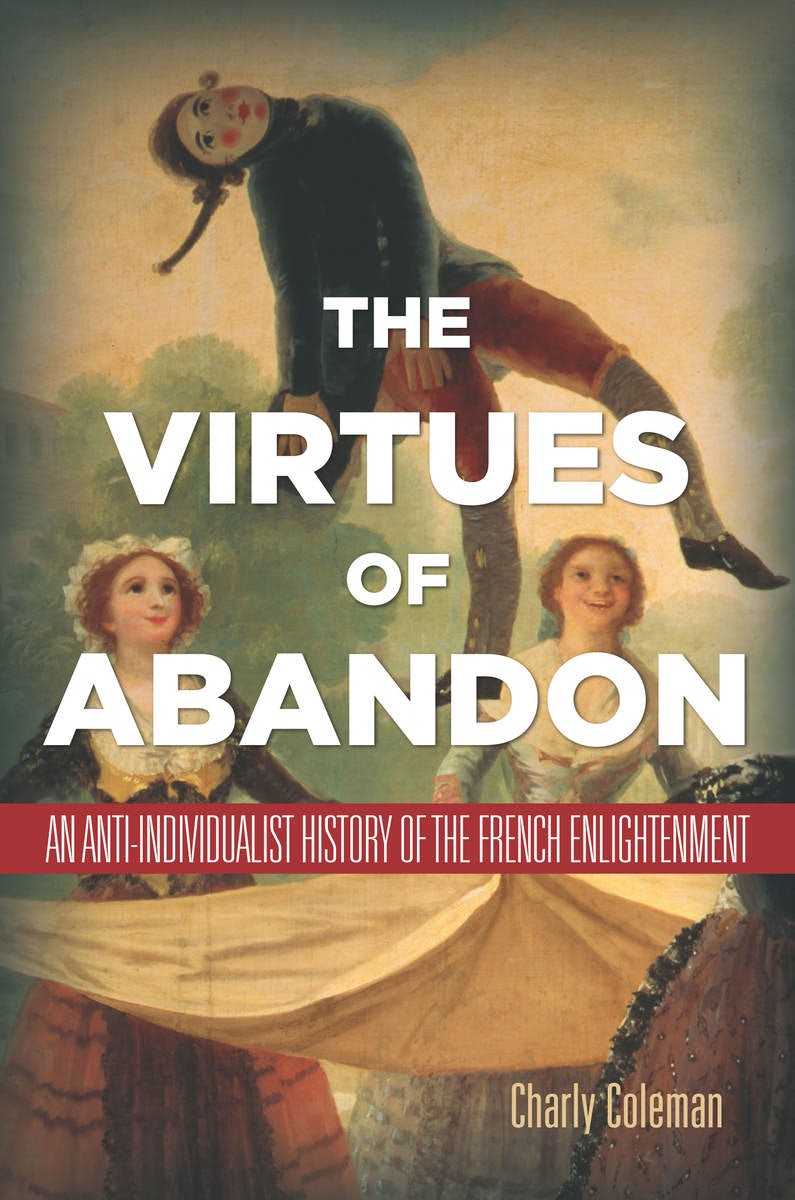
France in the eighteenth century glittered, but also seethed, with new goods and new ideas. In the halls of Versailles, the streets of Paris, and the soul of the Enlightenment itself, a vitriolic struggle was being waged over the question of ownership—of property, of position, even of personhood. Those who championed man's possession of material, spiritual, and existential goods faced the successive assaults of radical Christian mystics, philosophical materialists, and political revolutionaries. The Virtues of Abandon traces the aims and activities of these three seemingly disparate groups, and the current of anti-individualism that permeated theology, philosophy, and politics throughout the period.
Fired by the desire to abandon the self, men and women sought new ways to relate to God, nature, and nation. They joined illicit mystic cults that engaged in rituals of physical mortification and sexual license, committed suicides in the throes of materialist fatalism, drank potions to induce consciousness-altering dreams, railed against the degrading effects of unfettered consumption, and ultimately renounced the feudal privileges that had for centuries defined their social existence. The explosive denouement was the French Revolution, during which God and king were toppled from their thrones.

