


Some error occured while loading the Quick View. Please close the Quick View and try reloading the page.
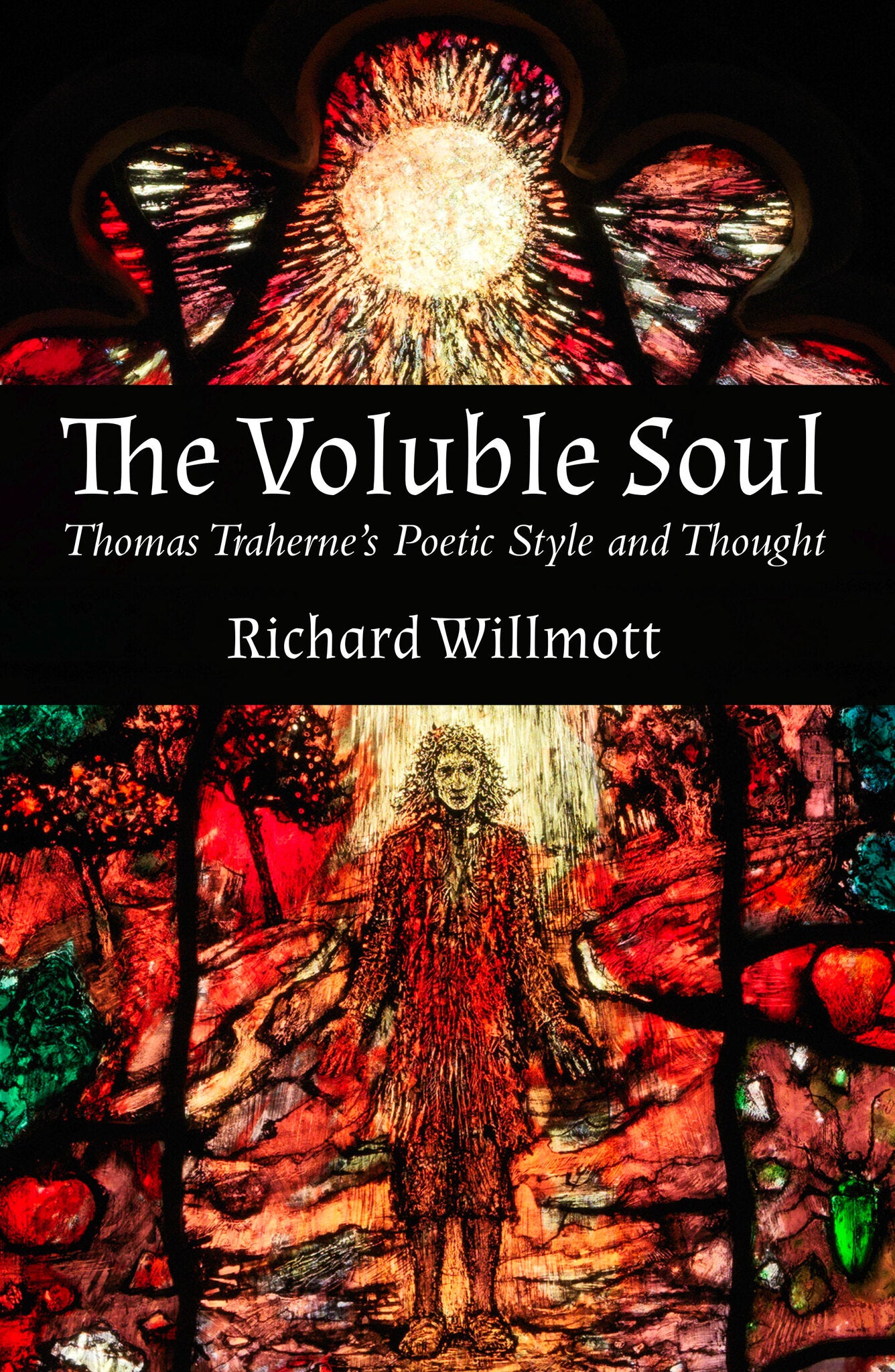
An in-depth analysis of Traherne's poetry from both literary and theological perspectives.
"The world's fair beauty set my soul on fire."
In this first study of the full range of Traherne's poetry Richard Willmott explains his 'metaphysical' poetry to all who are attracted by the beauty of his language, but puzzled by his meaning. He offers guidance both for the student of English, uncertain about Traherne's theological ideas, and the student of theology, put off by seventeenth-century poetic conventions and diction. Using a wealth of quotation, he examines Traherne's verse alongside that of a variety of his contemporaries, including Andrew Marvell, Lucy Hutchinson, Anne Bradstreet and Edward Taylor.
Central to Traherne's poetry and generous theology is his delight in the capacity of his soul to approach God through an appreciation of His infinite creation. This soul is 'voluble', not only because it can express its thoughts with fluency, but also because it can enfold within itself the infinity of God's creation, taking in everything that it perceives, considering the latest scientific speculations about the atom and astronomy, but also looking clear-sightedly at Restoration society's materialism and - in one startlingly savage satire - the corruption of the royal court.
"The world's fair beauty set my soul on fire."
In this first study of the full range of Traherne's poetry Richard Willmott explains his 'metaphysical' poetry to all who are attracted by the beauty of his language, but puzzled by his meaning. He offers guidance both for the student of English, uncertain about Traherne's theological ideas, and the student of theology, put off by seventeenth-century poetic conventions and diction. Using a wealth of quotation, he examines Traherne's verse alongside that of a variety of his contemporaries, including Andrew Marvell, Lucy Hutchinson, Anne Bradstreet and Edward Taylor.
Central to Traherne's poetry and generous theology is his delight in the capacity of his soul to approach God through an appreciation of His infinite creation. This soul is 'voluble', not only because it can express its thoughts with fluency, but also because it can enfold within itself the infinity of God's creation, taking in everything that it perceives, considering the latest scientific speculations about the atom and astronomy, but also looking clear-sightedly at Restoration society's materialism and - in one startlingly savage satire - the corruption of the royal court.

Price: $130.00
Pages: 283
Publisher: Boydell & Brewer Inc.
Imprint: Lutterworth Press
Publication Date:
24 June 2021
Trim Size: 5.98 X 8.98 in
ISBN: 9780718895686
Format: Hardcover
BISACs:
BIOGRAPHY & AUTOBIOGRAPHY / Literary Figures, Biography: writers

Acknowledgements
Preface
Abbreviations
1. Introduction
I. Traherne and His Times
II. Traherne’s Views on Poetry
III. Traherne and the Metaphysical Poets: A Preliminary Case Study
IV. Christian Belief
2. Poems of Felicity (1) and St Augustine’s Confessions: Sight and Sin
I. Personal Confession
II. Sight, Memory and the Soul
III. Temptation
IV. The Dangers of Sight
V. Innocence and Original Sin
3. Poems of Felicity (2): Paradise and Vision
I. The Garden of Eden
II. Inner Sight
III. Postscript: From ‘Things to Thoughts’, a Question of Style
4. The Dobell Poems (1)
I. Influence of the Psalms
II. Innocence
III. Infancy and Original Sin
IV. ‘ Capacity’ in Traherne and John Davies of Hereford
5. The Dobell Poems (2)
I. The Soul: Traherne and Sir John Davies’ Nosce Teipsum
II. The Soul as Eye
III. ‘A Temple of Eternity’: ‘An Hymn upon St Bartholomew’s Day’
IV. The Voluble Soul
V. ‘Love’ and ‘Goodness’
6. The Ceremonial Law and Other Seventeenth-Century Treatments of Genesis: Atonement, Sacrificial Love and Spiritual Food
I. Didactic Religious Verse of the Seventeenth Century
II. The Ceremonial Law: Atonement
7. Thanksgivings
8. Poems from Commentaries of Heaven (1)
I. ‘Abhorrence’
II. ‘Abundance’
III. ‘Adultery’, ‘An Advocate’, ‘Affairs’
IV. Microscopes and Telescopes: ‘Ant’ and ‘Astronomy’
9. Poems from Commentaries of Heaven (2): Lucretius, Atomism and Traherne’s ‘Prosaic Poetry’
I. Reactions to Atomism in Seventeenth-Century Poetry
II. Two Major Responses in Poetry to Epicurean Philosophy: Milton and More
III. Traherne’s Poetry on the Atom
IV. Conclusion: The Golden Clasp
Appendix: Brief Biographical Notes
Bibliography
Index
Preface
Abbreviations
1. Introduction
I. Traherne and His Times
II. Traherne’s Views on Poetry
III. Traherne and the Metaphysical Poets: A Preliminary Case Study
IV. Christian Belief
2. Poems of Felicity (1) and St Augustine’s Confessions: Sight and Sin
I. Personal Confession
II. Sight, Memory and the Soul
III. Temptation
IV. The Dangers of Sight
V. Innocence and Original Sin
3. Poems of Felicity (2): Paradise and Vision
I. The Garden of Eden
II. Inner Sight
III. Postscript: From ‘Things to Thoughts’, a Question of Style
4. The Dobell Poems (1)
I. Influence of the Psalms
II. Innocence
III. Infancy and Original Sin
IV. ‘ Capacity’ in Traherne and John Davies of Hereford
5. The Dobell Poems (2)
I. The Soul: Traherne and Sir John Davies’ Nosce Teipsum
II. The Soul as Eye
III. ‘A Temple of Eternity’: ‘An Hymn upon St Bartholomew’s Day’
IV. The Voluble Soul
V. ‘Love’ and ‘Goodness’
6. The Ceremonial Law and Other Seventeenth-Century Treatments of Genesis: Atonement, Sacrificial Love and Spiritual Food
I. Didactic Religious Verse of the Seventeenth Century
II. The Ceremonial Law: Atonement
7. Thanksgivings
8. Poems from Commentaries of Heaven (1)
I. ‘Abhorrence’
II. ‘Abundance’
III. ‘Adultery’, ‘An Advocate’, ‘Affairs’
IV. Microscopes and Telescopes: ‘Ant’ and ‘Astronomy’
9. Poems from Commentaries of Heaven (2): Lucretius, Atomism and Traherne’s ‘Prosaic Poetry’
I. Reactions to Atomism in Seventeenth-Century Poetry
II. Two Major Responses in Poetry to Epicurean Philosophy: Milton and More
III. Traherne’s Poetry on the Atom
IV. Conclusion: The Golden Clasp
Appendix: Brief Biographical Notes
Bibliography
Index