


Some error occured while loading the Quick View. Please close the Quick View and try reloading the page.
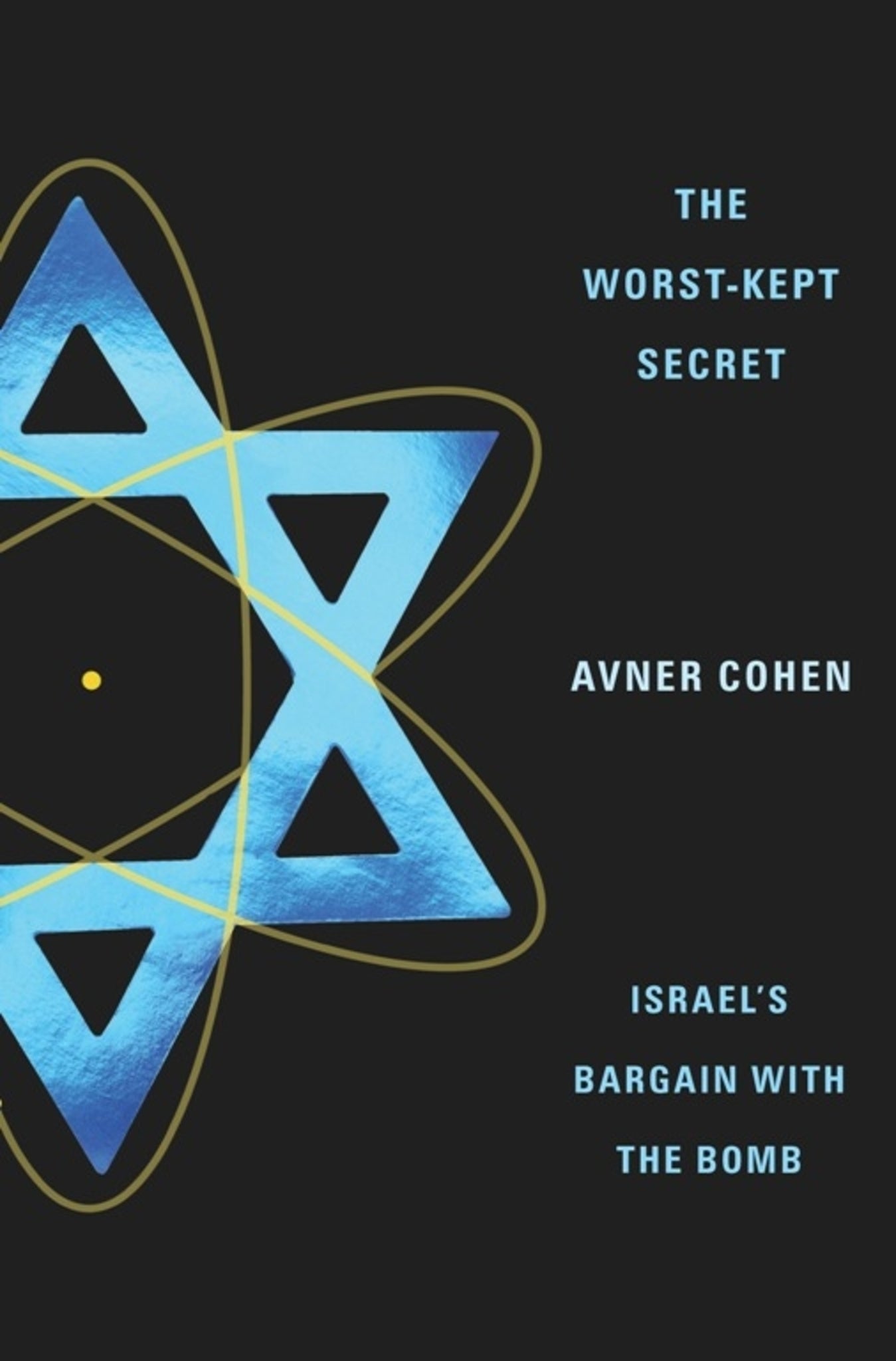
Israel has made a unique contribution to the nuclear age. It has created a special "bargain" with the bomb. Israel is the only nuclear-armed state that does not acknowledge its possession of the bomb, even though its existence is a common knowledge throughout the world. It only says that it will not be the first to introduce nuclear weapons to the Middle East.
The bomb is Israel's collective ineffablethe nation's last great taboo. This bargain has a name: in Hebrew, it is called amimut, or opacity. By adhering to the bargain, which was born in a secret deal between Richard Nixon and Golda Meir, Israel has created a code of nuclear conduct that encompasses both governmental policy and societal behavior. The bargain has deemphasized the salience of nuclear weapons, yet it is incompatible with the norms and values of a liberal democracy. It relies on secrecy, violates the public right to know, and undermines the norm of public accountability and oversight, among other offenses. It is also incompatible with emerging international nuclear norms.
Author of the critically acclaimed Israel and the Bomb, Avner Cohen offers a bold and original study of this politically explosive subject. Along with a fair appraisal of the bargain's strategic merits, Cohen critiques its undemocratic flaws. Arguing that the bargain has become increasingly anachronistic, he calls for a reform in line with domestic democratic values as well as current international nuclear norms. Most ironic, he believes Iran is imitating Israeli amimut. Cohen concludes with fresh perspectives on Iran, Israel, and the effort toward global disarmament.


Preface
Acknowledgments
Introduction: Amimut as a National Nuclear Bargain
Abbreviations
Chronology
1. The Birth of Amimut
2. The Case for Amimut
3. Israel's Nuclear Path: The Key Decisions
4. The Infrastructure of Amimut
5. The Citizenry: The Taboo Keepers
6. The Democratic Cost of Amimut: The Impact on the Citizenry
7. The Democratic Cost of Amimut: Governance
8. Domestic Reforms
9. Iran, the Fissile Materials Cutoff Treaty (FMCT), and Beyond
10. Toward a New Bargain
Epilogue
Notes
Bibliography
Index