


Some error occured while loading the Quick View. Please close the Quick View and try reloading the page.
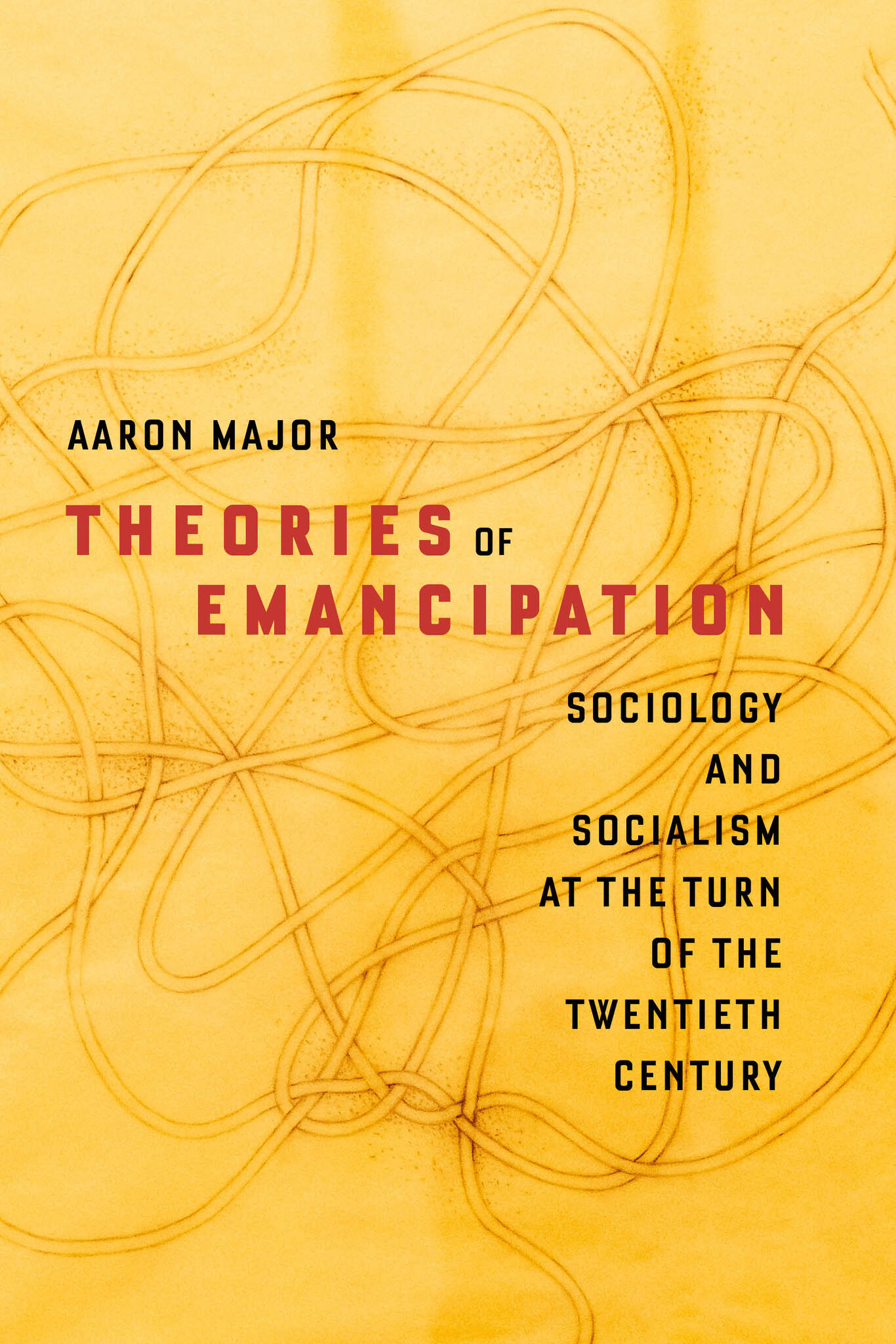
Modern sociology and modern socialism were born at the same time and developed in conversation with each other — a link that is obvious in the work of Marx, but also visible in that of Durkheim, Weber, and Du Bois, among others. However, the extent of this overlap is yet to be fully realized. Theories of Emancipation: Sociology and Socialism at the turn of the Twentieth Century uncovers this relationship to argue that the concepts, questions, and theories that are foundational to the discipline emerged in conversation with, and in reaction to, the political and intellectual movements of the turn of the twentieth century socialist left.
Aaron Major argues that paying attention to the early influence of socialism on the discipline opens a new pathway for advancing central debates around personhood and agency. This book places canonical texts within their broader political and intellectual context, and in so doing offers novel insight into some of the discipline's most pressing concerns. A reimagining of sociology's history also informs current conversations about its future trajectory by reasserting its aspirations to higher, moral ends. Theories of Emancipation recovers a relationship between social science and human emancipation that has largely been displaced or forgotten.


"At a time when the sociological canon is being reimagined, Major's book stands as an important landmark. It highlights an overlooked liberatory dimension of classic social theory, offering readers hope for better harnessing social theory's emancipatory potential. Readers interested in social thought and its political promise will not be disappointed." —Julian Go, author of Postcolonial Thought and Social Theory
Introduction: Early Sociological Theory in the Service of Emancipation
1. The Two Souls of Socialism
2. French Socialism and Durkheimian Sociology
3. Republican Freedom and American Pragmatism
4. Cooperation against Racial Capitalism
5. The Dilemma of Weber and Emancipatory Social Theory
Conclusion: Emancipatory Social Theory and Sociology Today
References
Index