


Some error occured while loading the Quick View. Please close the Quick View and try reloading the page.
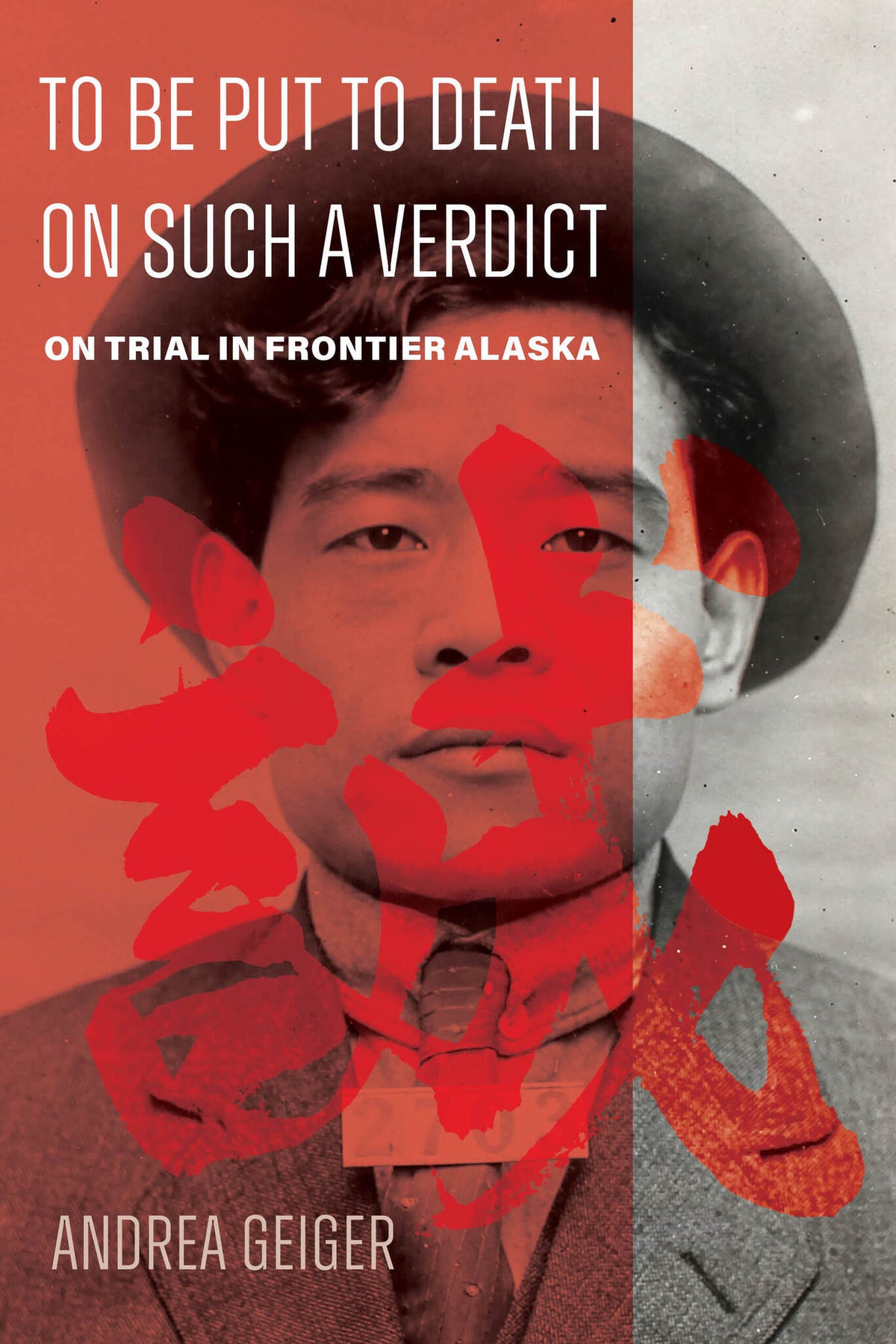
A sensational trial, the precarity of justice, and questions as to guilt.
In 1912, the Japanese foreman at a remote salmon cannery in Dundas Bay, Alaska, was charged with murder in the death of a white cannery worker who was reportedly struck with a Japanese samurai sword. The sensational murder trial that followed would captivate Juneau residents and others across frontier Alaska for many months. As it worked its way through the courts, what appeared to be an open-and-shut case proved full of twists and turns, fraught with racial tension, lies, distortion, inconsistent memories, preexisting biases, and the dubious strategies of the prosecutor—which all affected the jury’s verdict. Even after the verdict was rendered, yet another unexpected turn of events occurred: as the convicted man waited to be hanged, Japan's ambassador to the United States personally joined in an appeal for a presidential pardon.
Prizewinning author, lawyer, and noted borderlands historian Andrea Geiger leaves no stone unturned in putting frontier justice on trial. Her account is taut and revealing, but in the end, only the reader can decide whether justice was done, and if so, by what measure.


Andrea Geiger is a prizewinning author and historian who has written extensively about Japanese migration, race, injustice, and the law along the North Pacific coast on both sides of the US-Canada border and in Alaska.