


Some error occured while loading the Quick View. Please close the Quick View and try reloading the page.
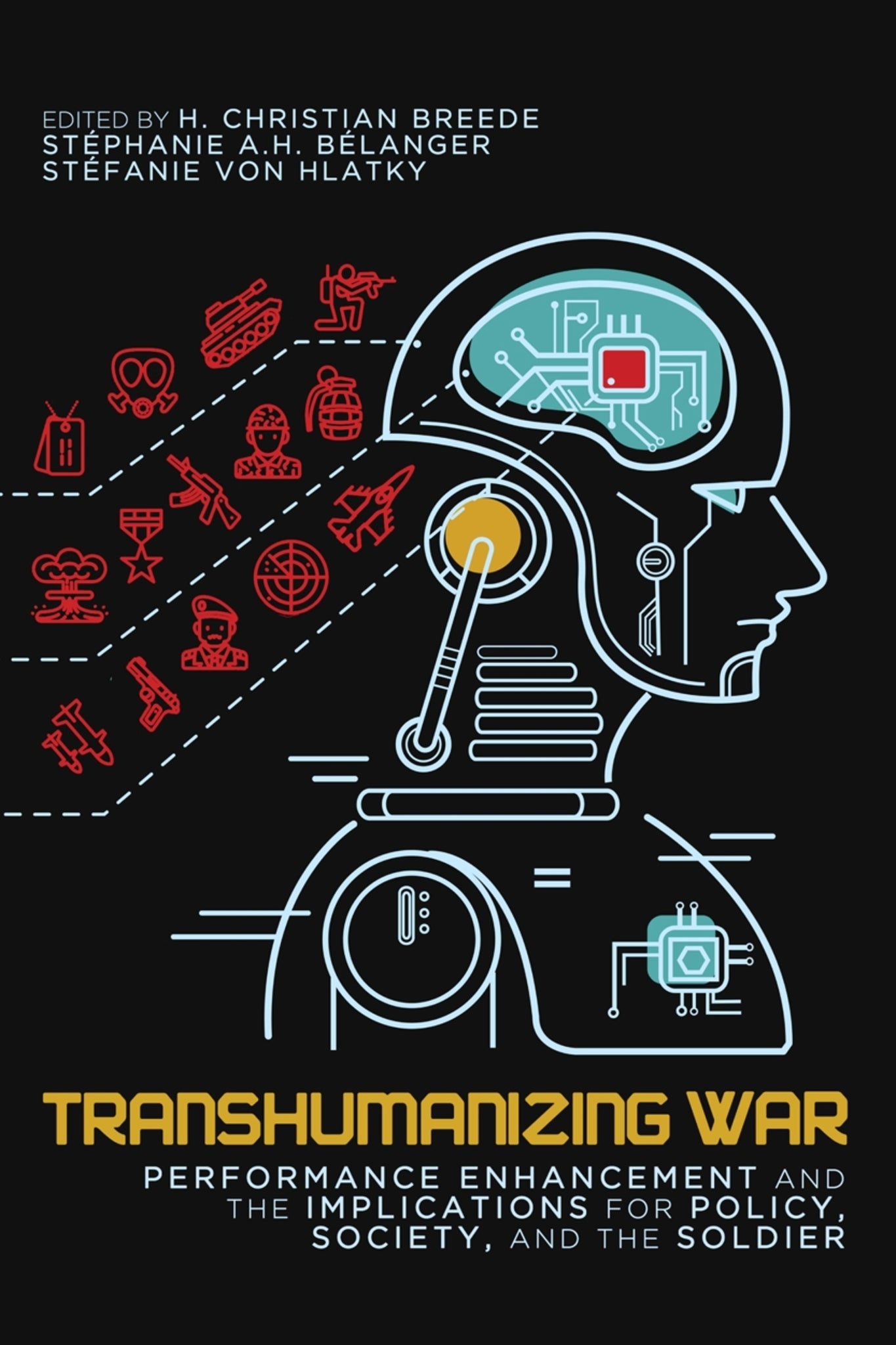
The concept of soldier enhancement often invokes images of dystopian futures populated with dehumanized military personnel. These futures serve as warnings in science fiction works, and yet the enhancement of soldiers' combat capability is almost as old as war itself. Today, soldier enhancement is the purpose of military training and the application of innovative technologies, but when does it begin to challenge individuals' very humanity?
Bringing together the work of a diverse group of practitioners and academics, Transhumanizing War examines performance enhancement in the military from a wide range of perspectives. The book builds on two key premises: that rapid advances in science and technology are outstripping governments' and military organizations' capacity to adapt, and that this has put pressure on the connection between the military and the public. The contributors to this collection grapple with the implications of continued technological advancement and the possibility that innovative solutions to performance enhancement will risk further alienating the soldier from society. Navigating the fine line between technological promise and ethics, this volume presents a guide to responsible implementation in Canada and abroad.
Offering unique insights into a debate on the bleeding edge of public discourse, Transhumanizing War considers the best ways to improve combat effectiveness while still preserving soldiers' humanity.
Contributors include G. de Boisboissel (St Cyr), Linda Bossi (Defence Research and Development Canada), David Bryant (Defence Research and Development Canada), Colin Farrelly (Queen's University), Sara Greco (Queen's University), Monica Jones (University of Michigan), Thomas Karakolis (Defence Research and Development Canada), Allan Keefe (Defence Research and Development Canada), Maxwell Mehlmen (Case Western Reserve University), Farzana Nabi (US Army), K. Niall (Defence Research and Development Canada), David Tack (Defence Research and Development Canada), A. Vergin (Deutsche Bundeswehr), Randall Wakelam (Royal Military College of Canada), and Vicki Woodside-Duggins (Canadian Defence Academy)

