


Some error occured while loading the Quick View. Please close the Quick View and try reloading the page.
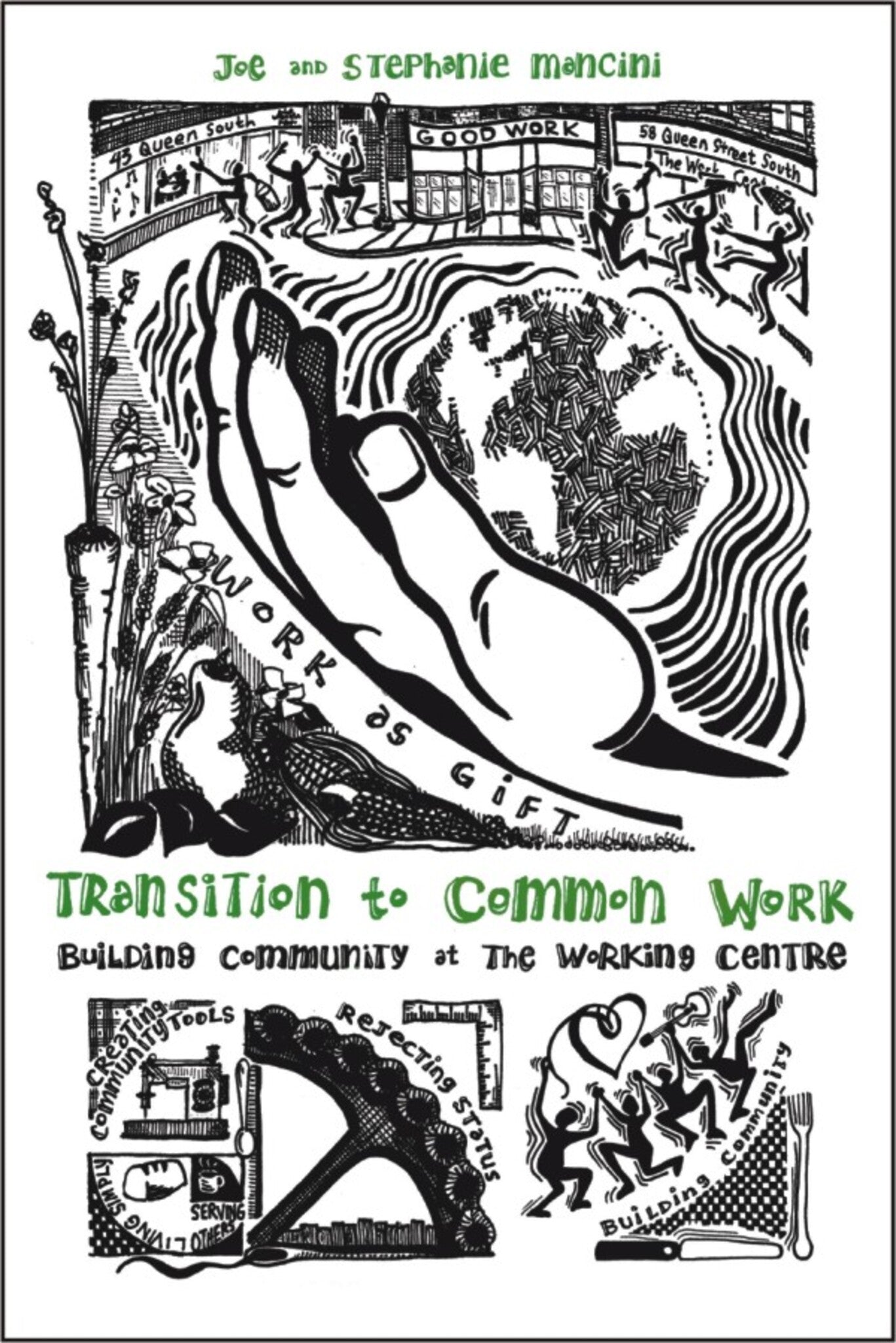
The Working Centre in the downtown core of Kitchener, Ontario, is a widely recognized and successful model for community development. Begun from scratch in 1982, it is now a vast network of practical supports for the unemployed, the underemployed, the temporarily employed, and the homeless, populations that collectively constitute up to 30 percent of the labour market both locally and across North America.
Transition to Common Work is the essential text about The Working Centre—its beginnings thirty years ago, the lessons learned, and the myriad ways in which its strategies and innovations can be adapted by those who share its goals.
The Working Centre focuses on creating access-to-tools projects rather than administrative layers of bureaucracy. This book highlights the core philosophy behind the centre’s decentralized but integrated structure, which has contributed to the creation of affordable services. Underlying this approach are common-sense innovations such as thinking about virtues rather than values, developing community tools with a social enterprise approach, and implementing a radically equal salary policy.
For social workers, activists, bureaucrats, and engaged citizens in third-sector organizations (NGOs, charities, not-for-profits, co-operatives), this practical and inspiring book provides a method for moving beyond the doldrums of “poverty relief” into the exciting world of community building.


Joe and Stephanie Mancini established The Working Centre in the spring of 1982 as they were completing their respective university degrees and have made a long-term commitment to developing a community-based response to unemployment and poverty. This creative and intentional community spirit continues to foster inclusive and affordable access-to-tools projects that are deeply rooted in downtown Kitchener, Ontario. In November 2014 Joe and Stephanie Mancini each received the Benemerenti Medal for their impact on the local community through The Working Centre. The Benemerenti Medal is a papal honour that recognizes civil and military daring and courage.
|Joe and Stephanie Mancini established The Working Centre in the spring of 1982 as they were completing their respective university degrees and have made a long-term commitment to developing a community-based response to unemployment and poverty. This creative and intentional community spirit continues to foster inclusive and affordable access-to-tools projects that are deeply rooted in downtown Kitchener, Ontario. In November 2014 Joe and Stephanie Mancini each received the Benemerenti Medal for their impact on the local community through The Working Centre. The Benemerenti Medal is a papal honour that recognizes civil and military daring and courage.
Table of Contents for Transition to Common Work: Building Community at The Working Centre, by Joe and Stephanie Mancini
Foreword | Frances Westley
Foreword | Kenneth Westhues
Acknowledgements
Part 1: The Working Centre Takes Root
1 Introduction: Beyond Us and Them
2 Building Community: The Working Centre's Roots
3 Liberation from Overdevelopment
Part 2: Community Engagement
4 The Virtues
5 St. John's Kitchen: Redistribution through Cooperation
6 Searching for Work at the Help Centre
7 The Nuts and Bolts of an Alternative Organization
Part 3: Toward a Philosophy of Work
8 Ethical Imagination: The Working Centre's Approach to Salaries
9 Community Tools
10 Small is Beautiful: Re-embedding Reciprocal Relationships in Daily Work
11 Conclusion: Transition to Common Work
Map of The Working Centre Buildings and Projects
Map of The Working Centre Locations in Downtown Kitchener
A Thirty-Year Chronology of The Working Centre
People of The Working Centre
Notes
Select Bibliography