


Some error occured while loading the Quick View. Please close the Quick View and try reloading the page.
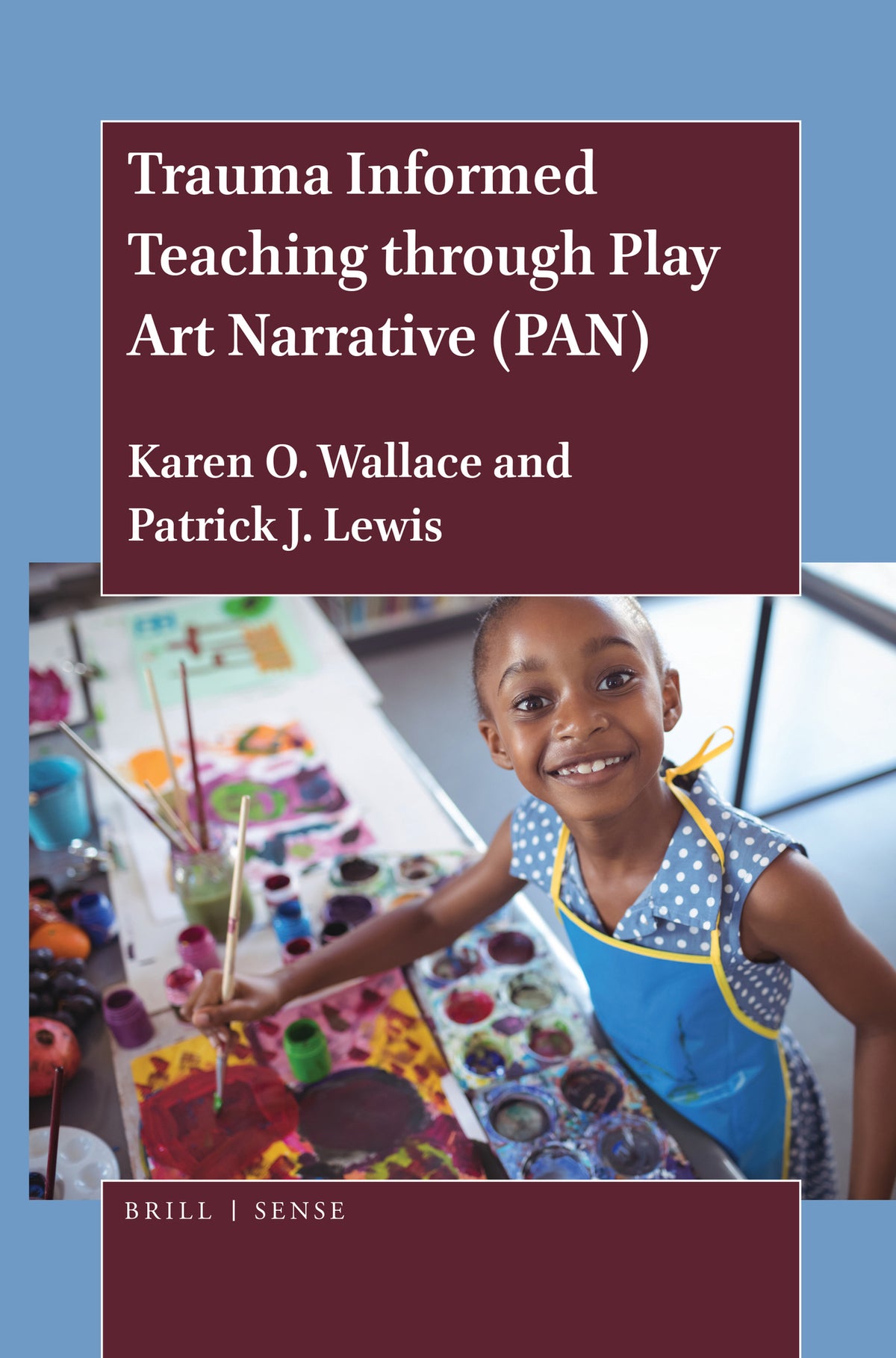
Trauma affects the lives of many children who we teach in school. It effects the students, teachers who teach them, the administration, and the school community as it is part of the school environment and culture. Teachers and administrators have great potential to set up an environment and adopt an attitude that can help heal the trauma in the lives of their students.
Schools need to become trauma-informed to be able to provide for the growing number of refugee children who have experienced terrorism, crime, war, and abuse, to better help some Indigenous children who due to systemic racism and discriminatory policies have been traumatised and live daily with trauma, and the growing number of all children who have experienced various kinds of trauma during their life span. Trauma informed schools means that all students can feel safe enough to learn, succeed academically and thrive after having undergone a traumatic event.
Trauma Informed Teaching demonstrates how Play Art Narrative (PAN) can be instrumental in creating trauma informed schools. The authors provide play, art, and narrative techniques and activities that educators can use to safely work therapeutically with traumatised children and youth.
Schools need to become trauma-informed to be able to provide for the growing number of refugee children who have experienced terrorism, crime, war, and abuse, to better help some Indigenous children who due to systemic racism and discriminatory policies have been traumatised and live daily with trauma, and the growing number of all children who have experienced various kinds of trauma during their life span. Trauma informed schools means that all students can feel safe enough to learn, succeed academically and thrive after having undergone a traumatic event.
Trauma Informed Teaching demonstrates how Play Art Narrative (PAN) can be instrumental in creating trauma informed schools. The authors provide play, art, and narrative techniques and activities that educators can use to safely work therapeutically with traumatised children and youth.

Price: $65.00
Pages: 210
Publisher: Brill
Imprint: Brill
Publication Date:
04 June 2020
ISBN: 9789004432710
Format: Paperback

" In this relatively brief book, Wallace and Lewis offer a comprehensive description of the benefits of play, art, and narrative (PAN) as tools for helping children deal with trauma. The first two sections review the theoretical and research background of the PAN curriculum as well as the nature and sources of trauma. The third section provides examples of specific activities to use with the children in helping them deal with the effects of their trauma. Because one of the authors is an art and play therapist, these suggestions are detailed, varied, and useful. The authors specifically review the fight/flight/freeze responses typical of those traumatized as well as examples of teachers’ reactions to children’s classroom behaviors. They also discuss the need for teachers to examine their own experiences and beliefs, in addition to sources of trauma, such as racism, dysfunctional families, crime, terrorism, and war. The analysis overall clearly describes the impact of traumas on cognitive development. Schools need to understand this problem and change their educational techniques to help children find ways to move beyond traumatic experiences and become competent learners and socially functional people." - S. Sugarman, Bennington College in CHOICE 58:6 (2021).
Karen O. Wallace, BCATR, M.Ed., FOT is an Art & Play Therapist. She teaches in Educational Counselling Psychology and ECE at the University of Regina. She is the author of There is No Need to Talk about This (Sense Publishers, 2015).
Patrick J. Lewis, Ph.D., is Professor of ECE at the University of Regina. He studies play and storytelling, has published many articles, and authored the two monographs How We Think But Not in School (Sense Publishers, 2007) and Challenges Bequeathed (Sense Publishers, 2009).
Patrick J. Lewis, Ph.D., is Professor of ECE at the University of Regina. He studies play and storytelling, has published many articles, and authored the two monographs How We Think But Not in School (Sense Publishers, 2007) and Challenges Bequeathed (Sense Publishers, 2009).