


Some error occured while loading the Quick View. Please close the Quick View and try reloading the page.
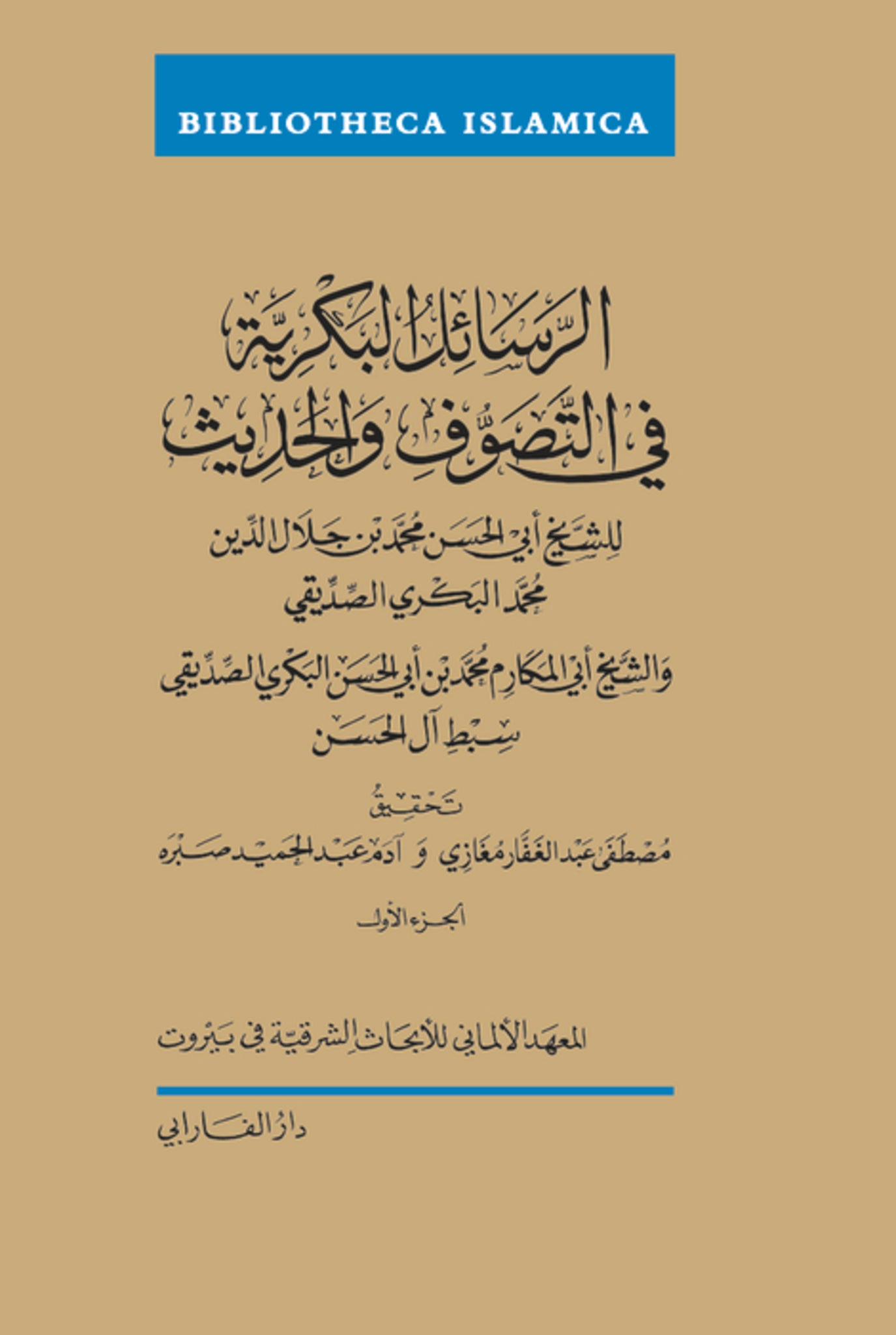
These two volumes offer a collection of the short treatises of two influential Egyptian religious scholars of the sixteenth century. Abū al-Ḥasan Muḥammad al-Bakrī (898-952/1492-1545) and his son Muḥammad ibn Abī al-Ḥasan al-Bakrī al-Ṣiddīqī Sibṭ Āl al-Ḥasan (930-94/1524-86), who lived between Cairo and Mecca, authored numerous texts on Sufism and Ḥadīth. Abū al-Ḥasan’s works include forty-eight collections of forty ḥadīths, a work on voluntary poverty, an early defense of the consumption of coffee in Sufi ritual, his Ḥizb and his Waṣīya. Muḥammad al-Bakrī’s treatises focus on spiritual instruction, the ritual of samāʿ, Sufi theology, including the author’s rejection of waḥdat al-wujūd, commentary on poems by Ibn al-Fāriḍ and ʿAlī Wafā, and a number of prayers, especially for the Prophet, among other topics. Together they provide insights into the religious trends current in the Arabophone provinces of the Ottoman Empire in the sixteenth century. Furthermore, since the Bakrīs were revered from West Africa to South Asia, these texts are important for the study of the early modern Islamic cosmopolis.


Mustafa Mughazy, Western Michigan University, Kalamazoo, MI/USA; Adam Sabra, University of California, Santa Barbara, CA/USA
Mustafa Mughazy is Professor of Arabic language and linguistics at Western Michigan University. He is a member of the editorial boards of Transference, Studies in Arabic Linguistics, Al-Arabiyya, and the Georgetown University Press Language Advisory Board. He is former president of the American Association for Teachers of Arabic and Executive Director of the Arabic Linguistics Society.
Adam Sabra is Professor of History at the University of California, Santa Barbara, where he holds the King Abdul Aziz Ibn Saud Chair in Islamic Studies. He specializes in the social and cultural history of Mamluk and Ottoman Egypt, with particular interests in poverty and charity, Sufism, and Arabic literature in the Ottoman period.