


Some error occured while loading the Quick View. Please close the Quick View and try reloading the page.
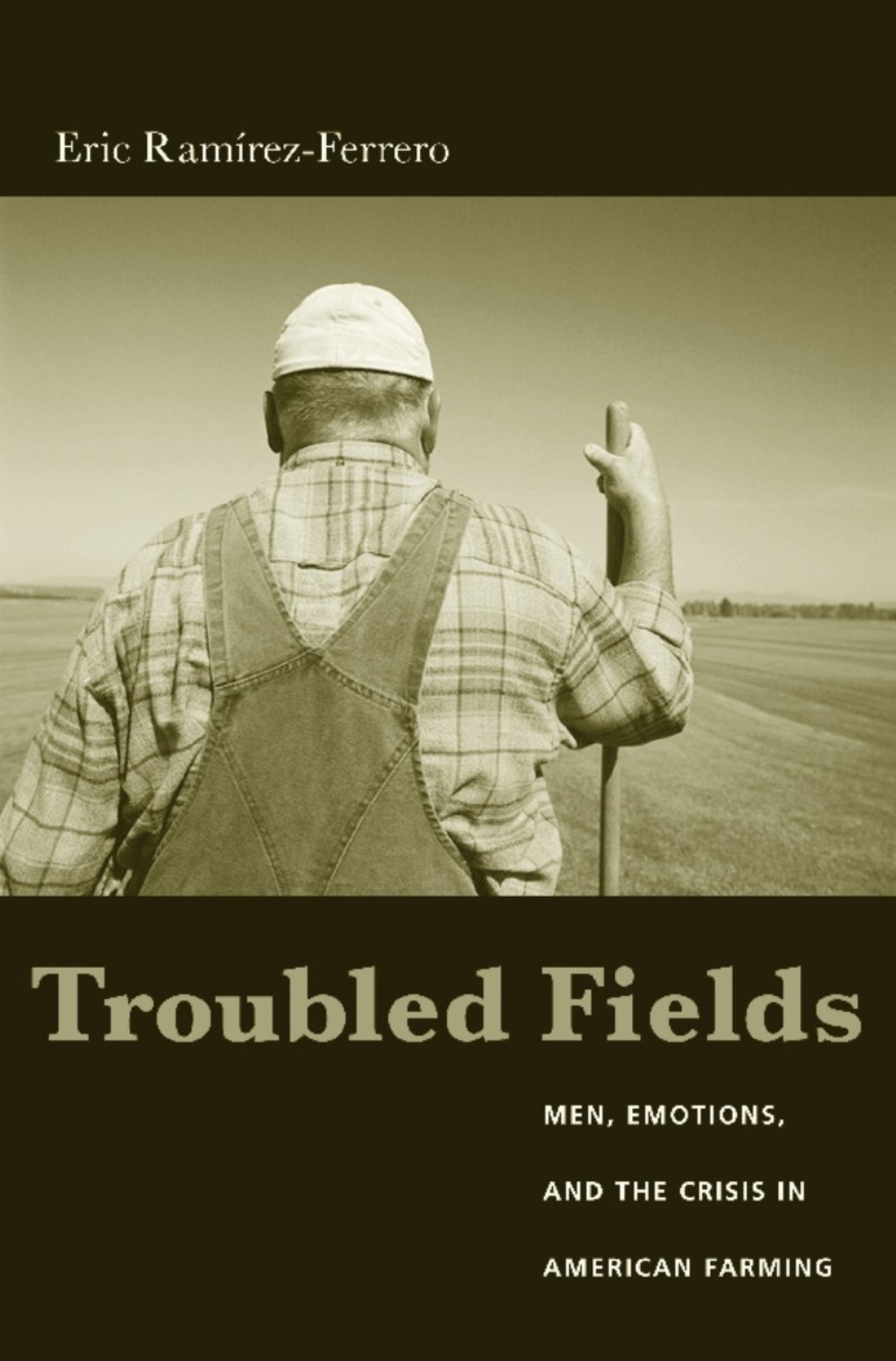
In Oklahoma in the 1980s and 1990s, suicide—not accident as previously assumed—was the leading cause of agricultural fatalities among farmers. Men were five times more likely to die by suicide than by accident. What was causing these men—but not women—to want to kill themselves? Ramírez-Ferrero suggests that the root causes lie not in purely economic or personal factors but rather in the processes of modernization. He shows how cultural and social changes have a dramatic effect on men's identities as providers, stewards, and community members. Using emotions and gender as modes of analysis, he locates these men's stories in the wider context of American history, agricultural economics and politics, capitalism, and Christianity.

Price: $30.00
Pages: 240
Publisher: Columbia University Press
Imprint: Columbia University Press
Publication Date:
19 January 2005
ISBN: 9780231130257
Format: Paperback
BISACs:
SOCIAL SCIENCE / Anthropology / General, SOCIAL SCIENCE / Men's Studies

An invaluable contribution to the ethnography of agriculture in the United States.
Eric Ramirez-Ferrero is currently a University of Michigan Population Fellow and senior program officer with HealthScope Tanzania in Dar es Salaam.
Introduction. Homework
1. The Invitation to Die
2. The Nelsons
3. Creating Oklahoma: Positioning Farm Men for Crisis
4. The Good Farmer: Gender and Occupational Role Evaluation
5. The American Agriculture Movement and the Call to Farm
Conclusion. Modernity, Emotions, and Social Change