


Some error occured while loading the Quick View. Please close the Quick View and try reloading the page.
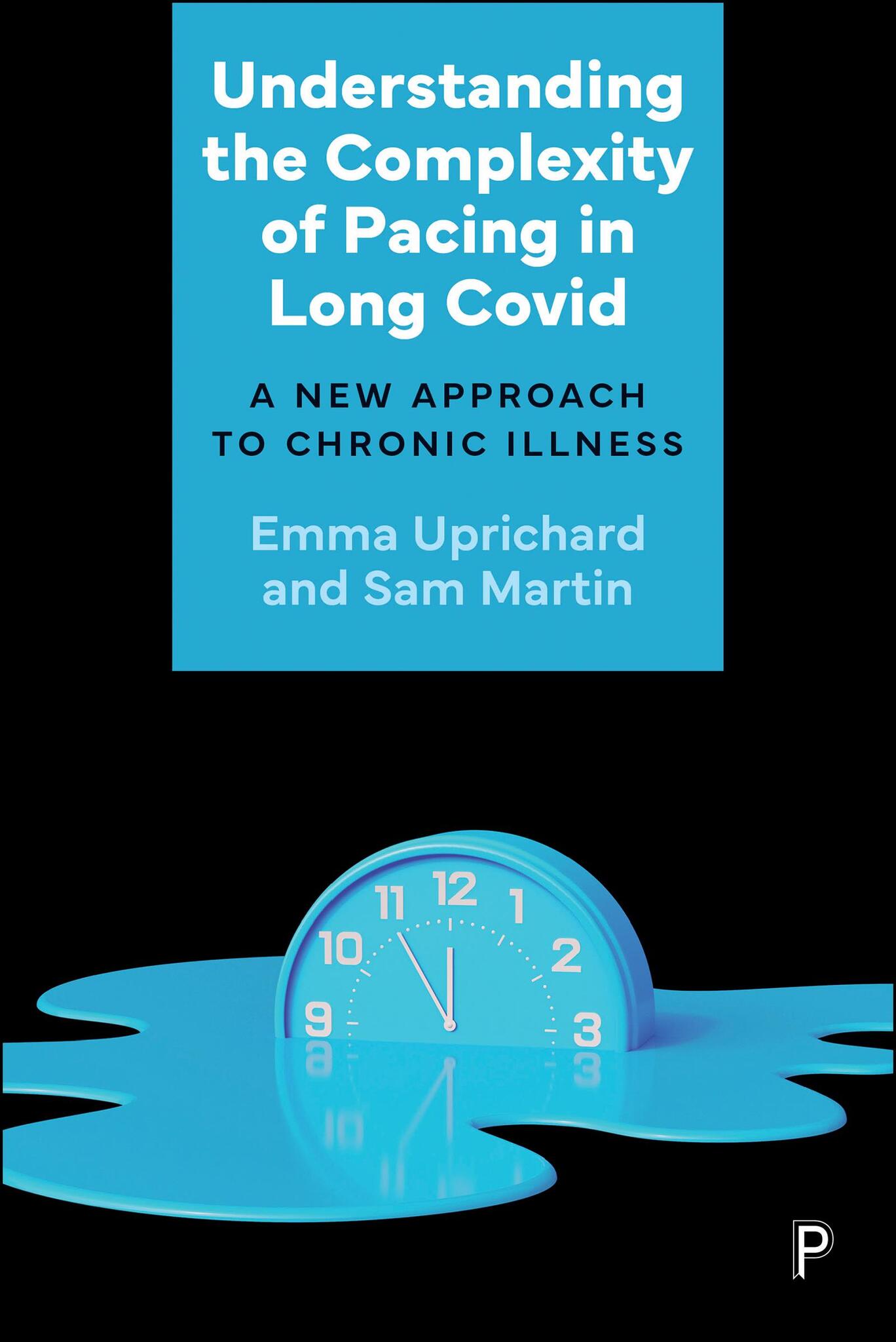
For millions with Long Covid and energy-limiting conditions, pacing is survival. While most research focuses on causes and treatments, this book examines the overlooked long of Long Covid and its many temporal disruptions.
Drawing on complex realism and thousands of social media posts, the authors reframe pacing as temporal labour: exhausting, invisible work where limits only become visible once crossed. They introduce polyrhythmic biographical disruption, where disruption is not a single event but ongoing, and the uncanny-not-yetness: the eerie limbo of post-exertional malaise.
This book advocates for temporal justice, because pacing is always, irreducibly social.


'A timely and needed book that takes a novel approach to understanding an emerging and complex health issue.' Samantha Vanderslott, University of Oxford
'This is an engaging and scholarly account of the psychosocial challenges of "pacing" oneself and one’s life when challenged by Long Covid and similar long-term conditions. In a methodologically and conceptually innovative study, Emma Uprichard and Sam Martin draw on theories of complexity and "rhythmanalysis" to offer rich new ways of understanding and explaining models of coping and adjustment. A great new addition to the literature.' Graham Scambler, University College London (Emeritus)
'Theoretically sophisticated and deeply empathetic, this compelling book offers a novel perspective from authors who understand the lived experience of the millions globally who live with Long Covid and other energy limiting conditions.' Deborah Lupton, UNSW Sydney
Emma Uprichard is Reader at the Centre for Interdisciplinary Methodologies at the University of Warwick.
Sam Martin is Senior Research Fellow and Big Qualitative Data Lead at the Vaccines and Society Unit at the University of Oxford and the Digital Society Research Cluster at Manchester Metropolitan University.
1. Introduction
2. Complex Realism, Energy and Symptoms
3. Polyrhythmic Biographical Disruption
4. Pacing, Planning and Relapses
5. Living with the Unequal Burden of Time
6. The Uncanny-Not-Yetness
7. Conclusion