


Some error occured while loading the Quick View. Please close the Quick View and try reloading the page.
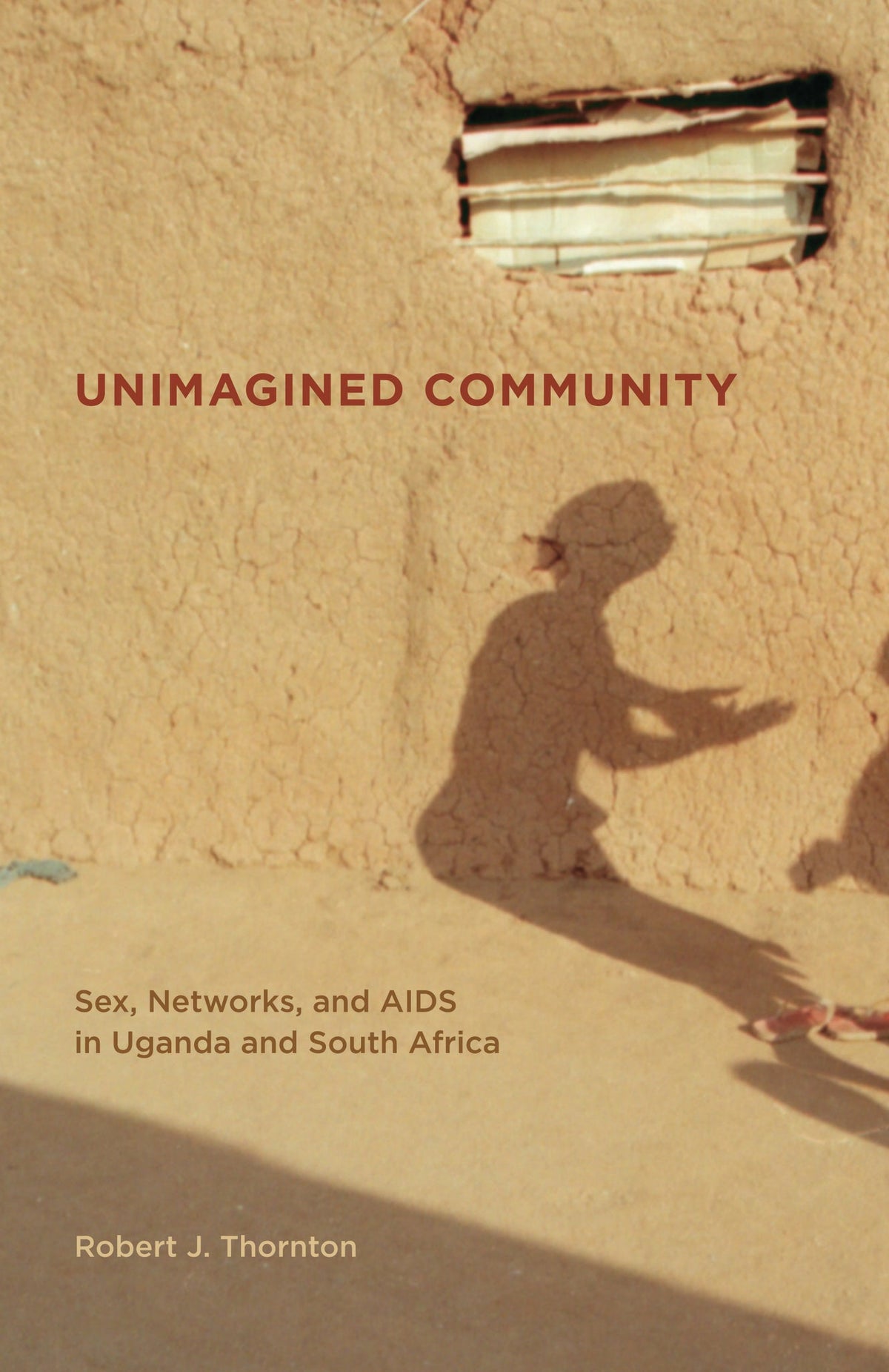
This groundbreaking work, with its unique anthropological approach, sheds new light on a central conundrum surrounding AIDS in Africa. Robert J. Thornton explores why HIV prevalence fell during the 1990s in Uganda despite that country's having one of Africa's highest fertility rates, while during the same period HIV prevalence rose in South Africa, the country with Africa's lowest fertility rate. Thornton finds that culturally and socially determined differences in the structure of sexual networks—rather than changes in individual behavior—were responsible for these radical differences in HIV prevalence. Incorporating such factors as property, mobility, social status, and political authority into our understanding of AIDS transmission, Thornton's analysis also suggests new avenues for fighting the disease worldwide.

Price: $34.95
Pages: 304
Publisher: University of California Press
Imprint: University of California Press
Series: California Series in Public Anthropology
Publication Date:
September 2, 2008
ISBN: 9780520942653
Format: eBook

List of Illustrations
Acknowledgments
Note on Ethnic Names and Languages
Preface
1. Introduction: Meaning and Structure in the Study of AIDS
2. Comparing Uganda and South Africa: Sexual Networks, Family Structure, and Property
3. The Social Determinants of Sexual Network Configuration
4. The Tightening Chain: Civil Society and Uganda’s Response to HIV/AIDS
5. AIDS in Uganda: Years of Chaos and Recovery
6. Siliimu as Native Category: AIDS as Local Knowledge in Uganda
7. The Indigenization of AIDS: Governance and the Political Response in Uganda
8. South Africa’s Struggle: The Omission and Commission of Truth about AIDS
9. Imagining AIDS: South Africa’s Viral Politics
10. Flows of Sexual Substance: The Sexual Network in South Africa
11. Preventing AIDS: A New Paradigm for a New Strategy
Notes
References
Index
Acknowledgments
Note on Ethnic Names and Languages
Preface
1. Introduction: Meaning and Structure in the Study of AIDS
2. Comparing Uganda and South Africa: Sexual Networks, Family Structure, and Property
3. The Social Determinants of Sexual Network Configuration
4. The Tightening Chain: Civil Society and Uganda’s Response to HIV/AIDS
5. AIDS in Uganda: Years of Chaos and Recovery
6. Siliimu as Native Category: AIDS as Local Knowledge in Uganda
7. The Indigenization of AIDS: Governance and the Political Response in Uganda
8. South Africa’s Struggle: The Omission and Commission of Truth about AIDS
9. Imagining AIDS: South Africa’s Viral Politics
10. Flows of Sexual Substance: The Sexual Network in South Africa
11. Preventing AIDS: A New Paradigm for a New Strategy
Notes
References
Index