


Some error occured while loading the Quick View. Please close the Quick View and try reloading the page.
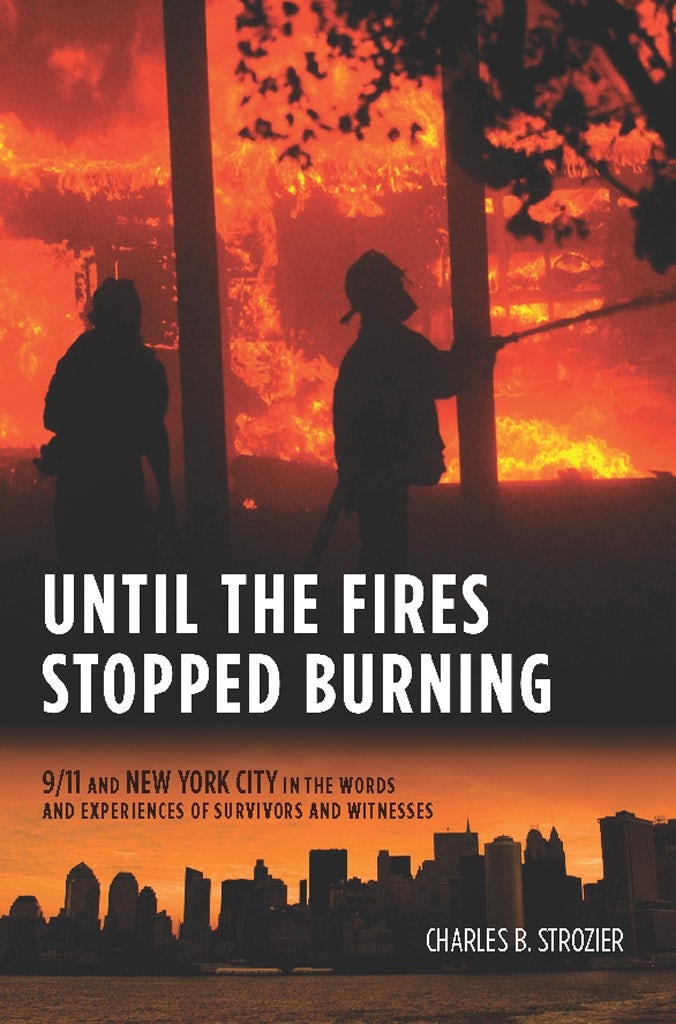
Charles B. Strozier's college lost sixty-eight alumni in the tragedy of 9/11, and the many courses he has taught on terrorism and related topics since have attracted dozens of survivors and family members. A practicing psychoanalyst in Manhattan, Strozier has also accepted many seared by the disaster into his care. In some ways, the grief he has encountered has felt familiar; in other ways, unprecedented. Compelled to investigate its unique character further, he launched a fascinating study into the conscious and unconscious meaning of the event, both for those who were physically close to the attack and for those who witnessed it beyond the immediate space of Ground Zero.
Based on the testimony of survivors, bystanders, spectators, and victim's friends and families, Until the Fires Stopped Burning brings much-needed clarity to the conscious and unconscious meaning of 9/11 and its relationship to historical disaster, apocalyptic experience, unnatural death, and the psychological endurance of trauma. Strozier interprets and contextualizes the memories of witnesses and compares their encounter with 9/11 to the devastation of Hiroshima, Auschwitz, Katrina, and other events Kai Erikson has called a "new species of trouble" in the world. Organizing his study around "zones of sadness" in New York, Strozier powerfully evokes the multiple places in which his respondents confronted 9/11 while remaining sensitive to the personal, social, and cultural differences of these experiences. Most important, he distinguishes between 9/11 as an apocalyptic event (which he affirms it is not;rather, it is a monumental event), and 9/11 as an apocalyptic experience, which is crucial to understanding the act's affect on American life and a still-evolving culture of fear in the world.


Introduction
The Event
Part I: 102 Minutes of Disaster
Zones of Sadness
1. Survivors: Zone
2. Witnesses: Zone
3. Participants: Zone
4. Onlookers: Zone
Reflections
5. The Dying
6. Apocalyptic Interlude
7. Traumasong
8. Television: Numbing and Rage
9. Hidden Children: Television's Exception
Part II: 100 Days of Suffering
10. Organic Process
11. Disrupted Lives
12. Death and Future
13. Pregnant Women
Part III: Ten Years of Effects
14. The Surprise of It All
15. On Trauma and Zones of Sadness
16. Historical Memory of the Disaster
Acknowledgments
Appendix: The Literature on Trauma and the Measurement of PTSD After 9/11
Notes
Index