


Some error occured while loading the Quick View. Please close the Quick View and try reloading the page.
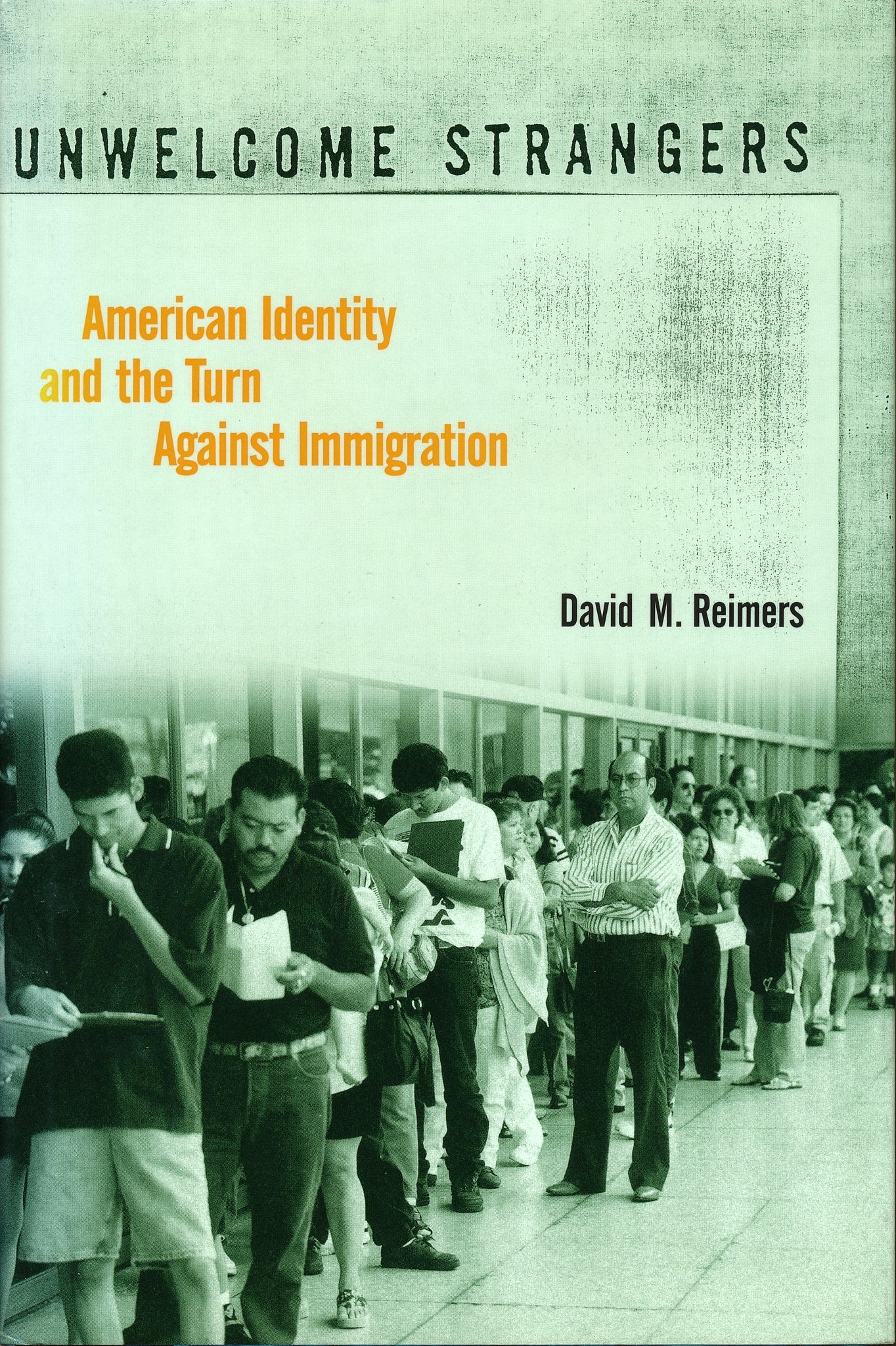
Is it time for America—a country founded and forged by immigrants—to shut its doors? After decades of liberal policies that welcomed ever greater numbers of immigrants, America is seeing a surge in anti-immigration sentiment. Congressional debates, polls, incidents of violence, and the growing strength of anti-immigration groups all indicate a growing nativism. In Unwelcome Strangers, David M. Reimers enters into the emotionally charged immigration debate, looking at all sides of the argument. Who are the nativists, and are any of their views legitimate? This balanced investigation traces the history of American attitudes toward immigration and offers a new perspective on the current crisis.
The core of this book uncovers the heated arguments of the anti-immigration forces, from environmental groups that warn against the consequences of overpopulation, to economic concerns that immigrants take jobs away from Americans, to assimilationist fears that newcomers—especially from Latin America, and Asia—threaten American culture. Reimers questions these arguments while acknowledging that pro-immigration forces hurt their position by not considering whether the United States can actually absorb one million immigrants a year. Reimers sees potential solutions in English language instruction for newcomers, greater accountability of sponsors, and government intervention to counterbalance the negative economic impact some immigrants have on poor communities. Reimers outlines the many bureaucratic and practical challenges faced by the INS, from determining who gets political asylum to screening applicants for criminal records.
Reimers charts the history of U.S. immigration policy and public reaction to newcomers, from the Puritan colonists to World War II refugees. The rise of nativism that began in the 1880s culminated with the highly restrictive immigration policies of the 1920s. Reimers shows how immigrant groups have historically been targeted—whether for ethnic, racial, or religious reasons. Quakers, Catholics, and Jews were the focus of anti-immigrant sentiment as were Germans, Irish, Italians, and Asians. This history of prejudice throws light on later developments in immigration history, such as the public response to the Cuban refugee crisis, the growing proportion of Third World immigrants, and the relationship between legal and illegal immigration, right up to the battles over California's proposition 187—which proposed to restrict public assistance for aliens and their children—and major congressional legislation passed in 1996 to deal with immigration.


AcknowledgmentsIntroduction
1. Toward Exclusion: American Immigration Policy Before World War II
2. The New Movement to Restrict Immigration
3. Overpopulation, Immigration, the Environment, and the New Restrictionism
4. A Broken Immigration System
5. Old Wine in New Bottles: The Economics Debate
6. Why Can't They Be Like Us? The Asimilationist Issue
7. A New Immigration Policy, 1994-1997?
Conclusions
Notes
Some Special Reading Lists
Index