


Some error occured while loading the Quick View. Please close the Quick View and try reloading the page.
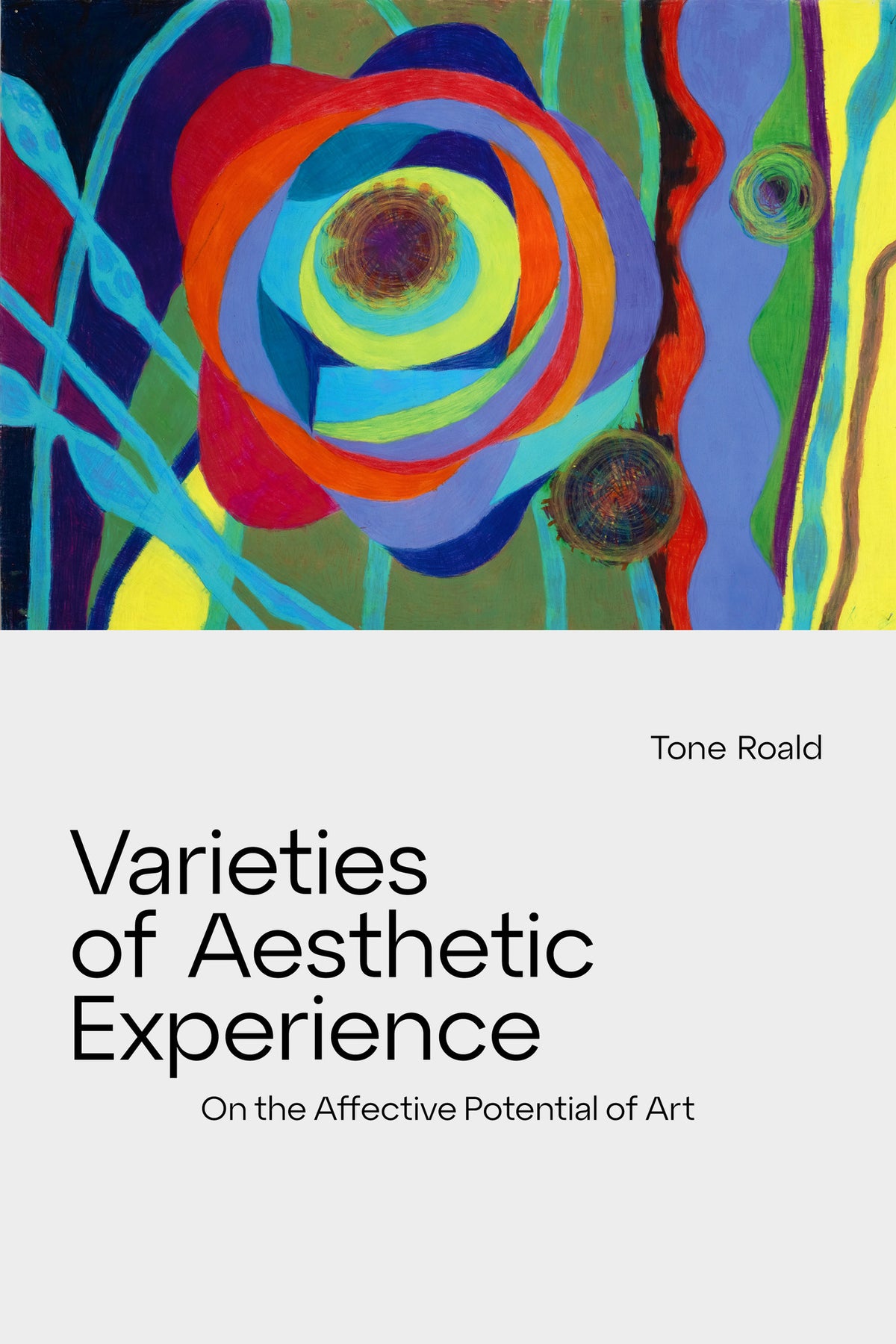
Tone Roald creates a new foundation for aesthetics by taking seriously real-life experiences with works of art. Relying upon descriptions of experiences with art in the autobiographical and literary texts of St. Augustine, Denis Diderot, Stendahl, Virginia Woolf, and Proust, as well as fifteen-years' worth of interviews with museumgoers about their most intense experiences with visual arts, Roald explores the variety of aesthetic experiences available to us throughout history and articulates why experiences with art remain important today. The book draws upon phenomenological psychology, psychoanalysis, and cultural theory to articulate a taxonomy of basic affective experiences with art. What affect is, what affective experiences with art are like, and what meanings these experiences have for us have been limited in aesthetic theory. Beginning with pleasure, continuing with wonder and resonance, and ending with rapture and serenity, she notably reveals similarities in aesthetic experience across history. Roald's work seeks a democratization of art; not concerned with the "correct interpretation" of the work of art or with idealized responses to art, this eye-opening new approach grants primacy to experience—historical and contemporary—and lays an experiential foundation for the development of a different kind of aesthetic theory.


"I don't know of any other book that has such scope, combined with such depth and detail of insight on every page. Valuable for philosophers, art critics, and all who care about the place of art in their lives." —Edward S. Casey, Stony Brook University
"Studies of aesthetic experience typically divide between abstract theory and concrete psychological data, Roald's Varieties of Aesthetic Experience aims to bridge the gap by doing both, while exploring the varieties and meanings of affect that such experience creates."—Richard Shusterman, Florida Atlantic University