


Some error occured while loading the Quick View. Please close the Quick View and try reloading the page.
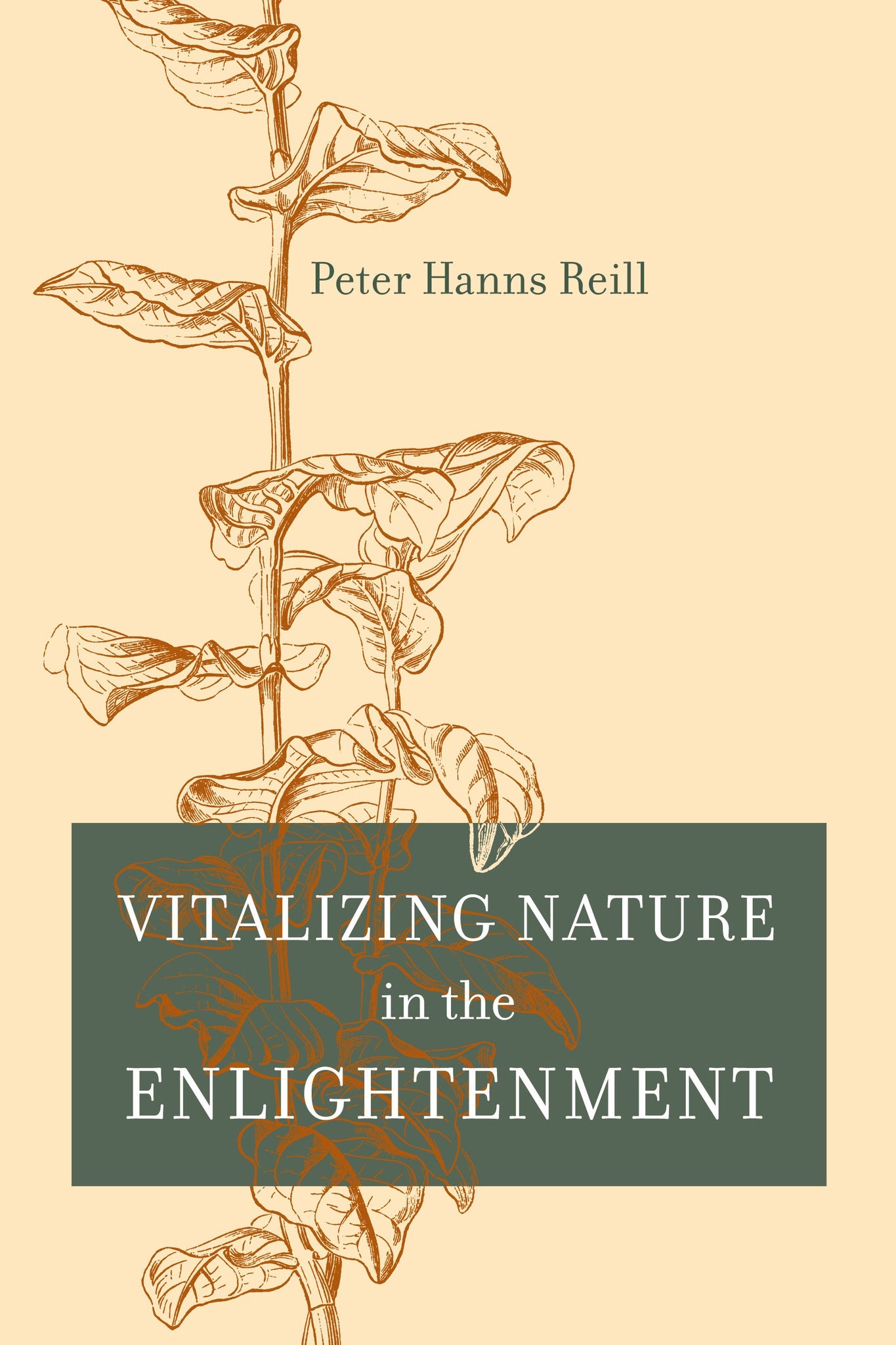
This far-reaching study redraws the intellectual map of the Enlightenment and boldly reassesses the legacy of that highly influential period for us today. Peter Hanns Reill argues that in the middle of the eighteenth century, a major shift occurred in the way Enlightenment thinkers conceived of nature that caused many of them to reject the prevailing doctrine of mechanism and turn to a vitalistic model to account for phenomena in natural history, the life sciences, and chemistry. As he traces the ramifications of this new way of thinking through time and across disciplines, Reill provocatively complicates our understanding of the way key Enlightenment thinkers viewed nature. His sophisticated analysis ultimately questions postmodern narratives that have assumed a monolithic Enlightenment—characterized by the dominance of instrumental reason—that has led to many of the disasters of modern life.

Price: $85.00
Pages: 398
Publisher: University of California Press
Imprint: University of California Press
Publication Date:
06 June 2005
ISBN: 9780520931008
Format: eBook

Acknowledgments
Introduction
Prologue: The Humboldt Brothers Confront Nature’s Sublimity
1. Storming "the Temple of Error": Buffon, the Historie naturelle, and the Midcentury Origins of Enlightenment Vitalism
2. Learning to "Read the Book of Nature": Vitalizing Chemistry in the Late Enlightenment
3. "Within the Circle of Organized Life"
4. The Metamorphoses of Change
5. From Enlightenment Vitalism to Romantic Naturphilosophie
Epilogue: From the Foot of Chimborazo to the Flatlands of Europe
Alexander von Humboldt’s Dilemma
Reprise: What Is Enlightenment? What Isn’t Enlightenment?
Notes
Bibliography
Index
Introduction
Prologue: The Humboldt Brothers Confront Nature’s Sublimity
1. Storming "the Temple of Error": Buffon, the Historie naturelle, and the Midcentury Origins of Enlightenment Vitalism
2. Learning to "Read the Book of Nature": Vitalizing Chemistry in the Late Enlightenment
3. "Within the Circle of Organized Life"
4. The Metamorphoses of Change
5. From Enlightenment Vitalism to Romantic Naturphilosophie
Epilogue: From the Foot of Chimborazo to the Flatlands of Europe
Alexander von Humboldt’s Dilemma
Reprise: What Is Enlightenment? What Isn’t Enlightenment?
Notes
Bibliography
Index