


Some error occured while loading the Quick View. Please close the Quick View and try reloading the page.
Selected by Choice magazine as an Outstanding Academic Title
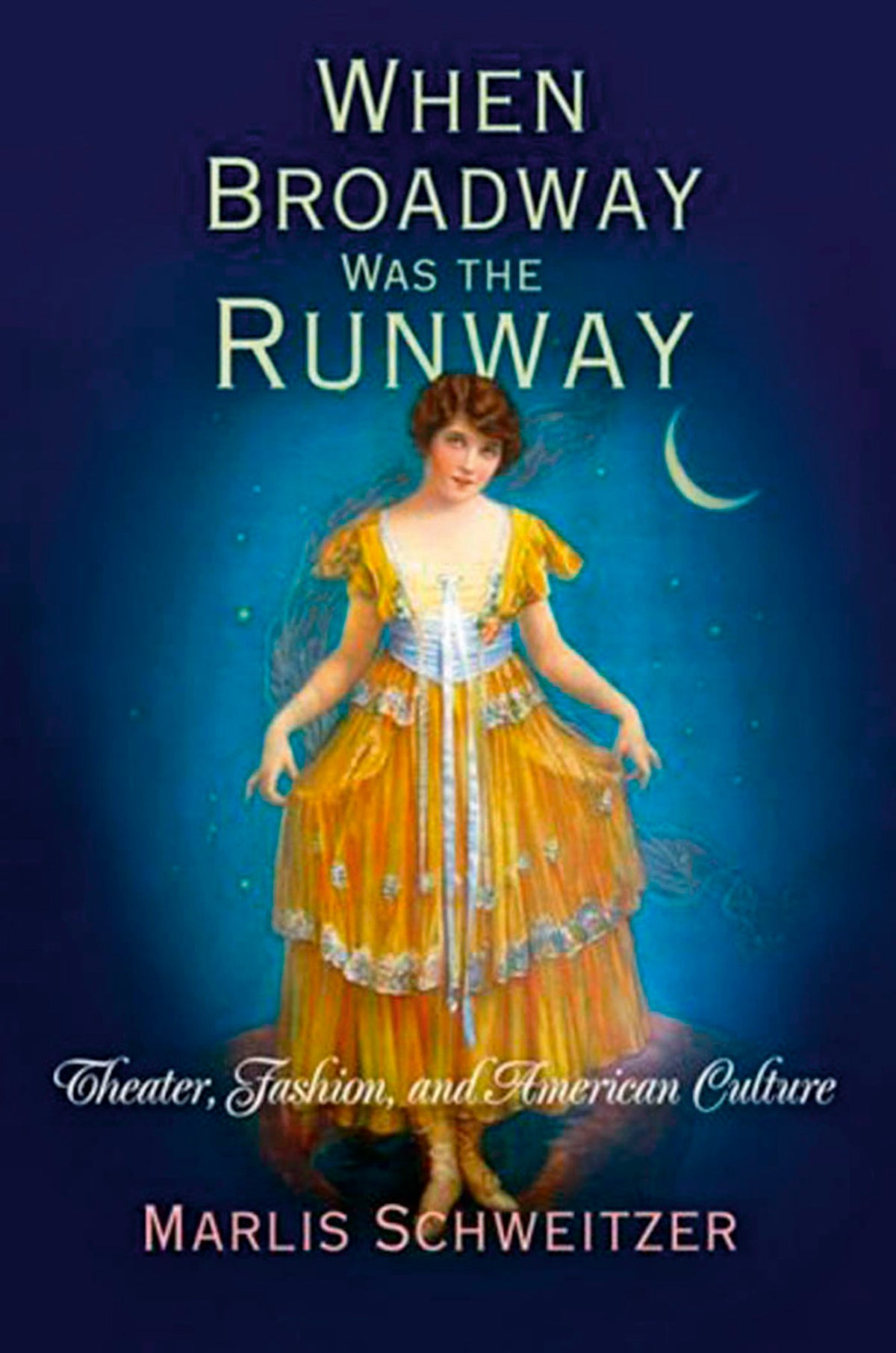
When Broadway Was the Runway explores the central and largely unacknowledged role of commercial Broadway theater in the birth of modern American fashion and consumer culture. Long before Hollywood's red carpet spectacles, Broadway theater introduced American women to the latest styles. At the beginning of the twentieth century, theater impresarios captured the imagination of their largely female patrons by transforming the stage into a glorious site of consumer spectacle.
Theater historian Marlis Schweitzer examines how these impresarios presented the dresses actresses wore onstage, as well as the jewelry and hairstyles they chose, as commodities that were available for purchase in nearby department stores and salons. The Merry Widow Hat, designed for the hit operetta of the same name, sparked an international craze, and the dancer Irene Castle became a fashion celebrity when she anticipated the flapper look of the 1920s by nearly a decade. Not only were the latest styles onstage, but advertisements appeared throughout theaters, in programs, and on the curtains, while magazines such as Vogue vied for the rights to publish theatrical costume sketches and Harper's Bazaar enticed readers with photo spreads of actresses in couture. This combination of spectatorship and consumption was a crucial step in the formation of a mass market for consumer goods and the rise of the cult of celebrity.
Through historical analysis and dozens of early photographs and illustrations, Schweitzer aims a spotlight at the cultural and economic convergence of the theater and fashion industries in the United States.


"When Broadway Was the Runway provides fresh insight into the relationship between consumer capitalism and the theater, department store, and fashion industries and sheds new light on the dramatically shifting configurations of gender, beauty, and the self in the twentieth century. A great accomplishment!"
Introduction
Chapter 1. The Octopus and the Matinee Girl
Chapter 2. The "Department Store Theater" and the Gendering of Consumption
Chapter 3. "The Cult of Clothes" and the Performance of Class
Chapter 4. Fashioning the Modern Woman
Chapter 5. The Theatrical Fashion Show on Broadway and Sixth Avenue
Epilogue
Notes
Index
Acknowledgments