


Some error occured while loading the Quick View. Please close the Quick View and try reloading the page.
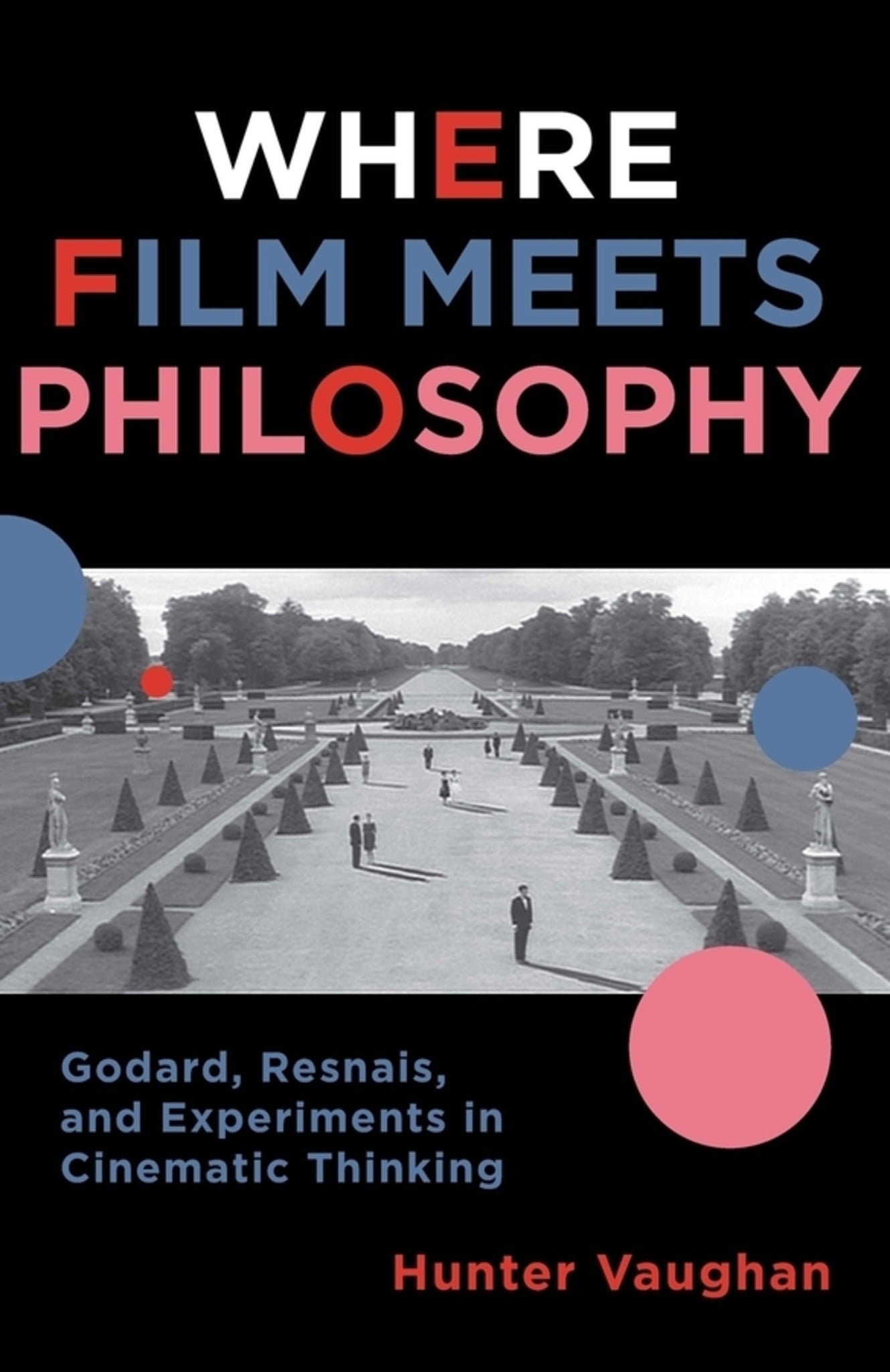
Hunter Vaughan interweaves phenomenology and semiotics to analyze cinema's ability to challenge conventional modes of thought. Merging Maurice Merleau-Ponty's phenomenology of perception with Gilles Deleuze's image-philosophy, Vaughan applies a rich theoretical framework to a comparative analysis of Jean-Luc Godard's films, which critique the audio-visual illusion of empirical observation (objectivity), and the cinema of Alain Resnais, in which the sound-image generates innovative portrayals of individual experience (subjectivity). Both filmmakers radically upend conventional film practices and challenge philosophical traditions to alter our understanding of the self, the world, and the relationship between the two. Films discussed in detail include Godard's Vivre sa vie (1962), Contempt (1963), and 2 or 3 Things I Know About Her (1967); and Resnais's Hiroshima, mon amour (1959), Last Year at Marienbad (1961), and The War Is Over (1966). Situating the formative works of these filmmakers within a broader philosophical context, Vaughan pioneers a phenomenological film semiotics linking two disparate methodologies to the mirrored achievements of two seemingly irreconcilable artists.

Price: $32.00
Pages: 264
Publisher: Columbia University Press
Imprint: Columbia University Press
Series: Film and Culture Series
Publication Date:
05 February 2013
Trim Size: 9.00 X 6.00 in
ISBN: 9780231161336
Format: Paperback
BISACs:
PERFORMING ARTS / Film / History & Criticism, PERFORMING ARTS / Film / General, PHILOSOPHY / General, PHILOSOPHY / Aesthetics

Vaughan's brilliant book places him on the cutting edge of contemporary studies that blend film and philosophy. Reconstructing and clarifying how film-philosophy renders fresh insight into the revolutionary potential of the moving film image, Vaughan opens a new dimension to thought and action.
Hunter Vaughan is assistant professor of English and cinema studies at Oakland University. His scholarly interests include the moving image, philosophy, and the environment.
List of Illustrations
Acknowledgments
Introduction: Where Film Meets Philosophy
1. Phenomenology and the Viewing Subject
2. Film Connotation and the Signified Subject
3. Sound, Image, and the Order of Meaning
4. Alain Resnais and the Code of Subjectivity
5. Jean-Luc Godard and the Code of Objectivity
Conclusion: Where Film and Philosophy May Lead
Notes
Bibliography
Index