


Some error occured while loading the Quick View. Please close the Quick View and try reloading the page.
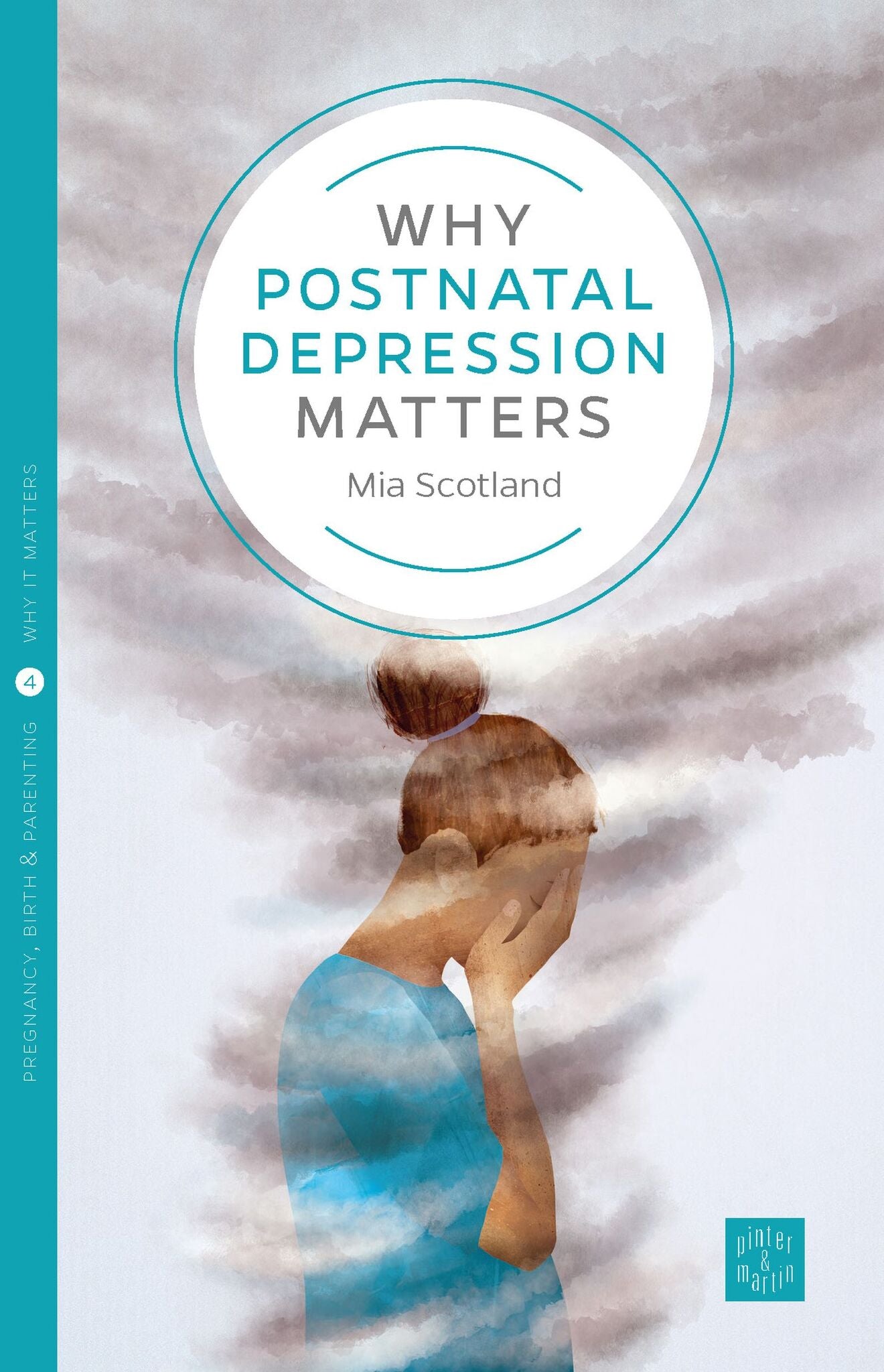
You have probably heard of postnatal depression, but did you know that most cases of postnatal depression actually began in pregnancy? And that most people who have antenatal depression have had depression in the past? And did you know that postnatal depression is not caused by women’s hormones gone awry; men are suffering postnatal and perinatal depression in larger and larger numbers too? This is why “postnatal depression” has now been renamed “perinatal depression”(‘peri’ means around, as in the word “perimeter”).
Why is the seemingly joyful event of new parenthood causing so much suffering? Depression seems to be related to the stresses that a modern couple undertake when they have a baby. The lack of support, lack of celebration, overload of expectations, overwhelming responsibility, isolation, judgment, blaming by the media, tiredness, mixed messages, confusion, high expectations and lack of tender loving care serve to eventually break parents and their relationships. And when we break parents, we break a baby. Babies are our future, and if we break a baby, in the long run, we break society. Postnatal depression takes a high toll on society. Dealing effectively with perinatal depression is about valuing love, connection, calm and stillness, over and above productivity, achievement and acquisition.
Why is the seemingly joyful event of new parenthood causing so much suffering? Depression seems to be related to the stresses that a modern couple undertake when they have a baby. The lack of support, lack of celebration, overload of expectations, overwhelming responsibility, isolation, judgment, blaming by the media, tiredness, mixed messages, confusion, high expectations and lack of tender loving care serve to eventually break parents and their relationships. And when we break parents, we break a baby. Babies are our future, and if we break a baby, in the long run, we break society. Postnatal depression takes a high toll on society. Dealing effectively with perinatal depression is about valuing love, connection, calm and stillness, over and above productivity, achievement and acquisition.

Price: $12.95
Pages: 160
Publisher: Global Book Sales
Imprint: Montag & Martin
Series: Pinter & Martin Why It Matters
Publication Date:
24 September 2015
Trim Size: 6.90 X 4.40 in
ISBN: 9781780665603
Format: Paperback

Mia Scotland is a clinical psychologist and birth doula. She has been helping mothers deal with depression for more than 20 years. Her particular passion is for the psychology of birth, and for understanding how good preparation is key to a positive birth experience. She teaches midwives about the psychology of normal birth and hypnosis for childbirth on a regular basis. She has three children, and lives in Melton Mowbray, UK.