


Some error occured while loading the Quick View. Please close the Quick View and try reloading the page.
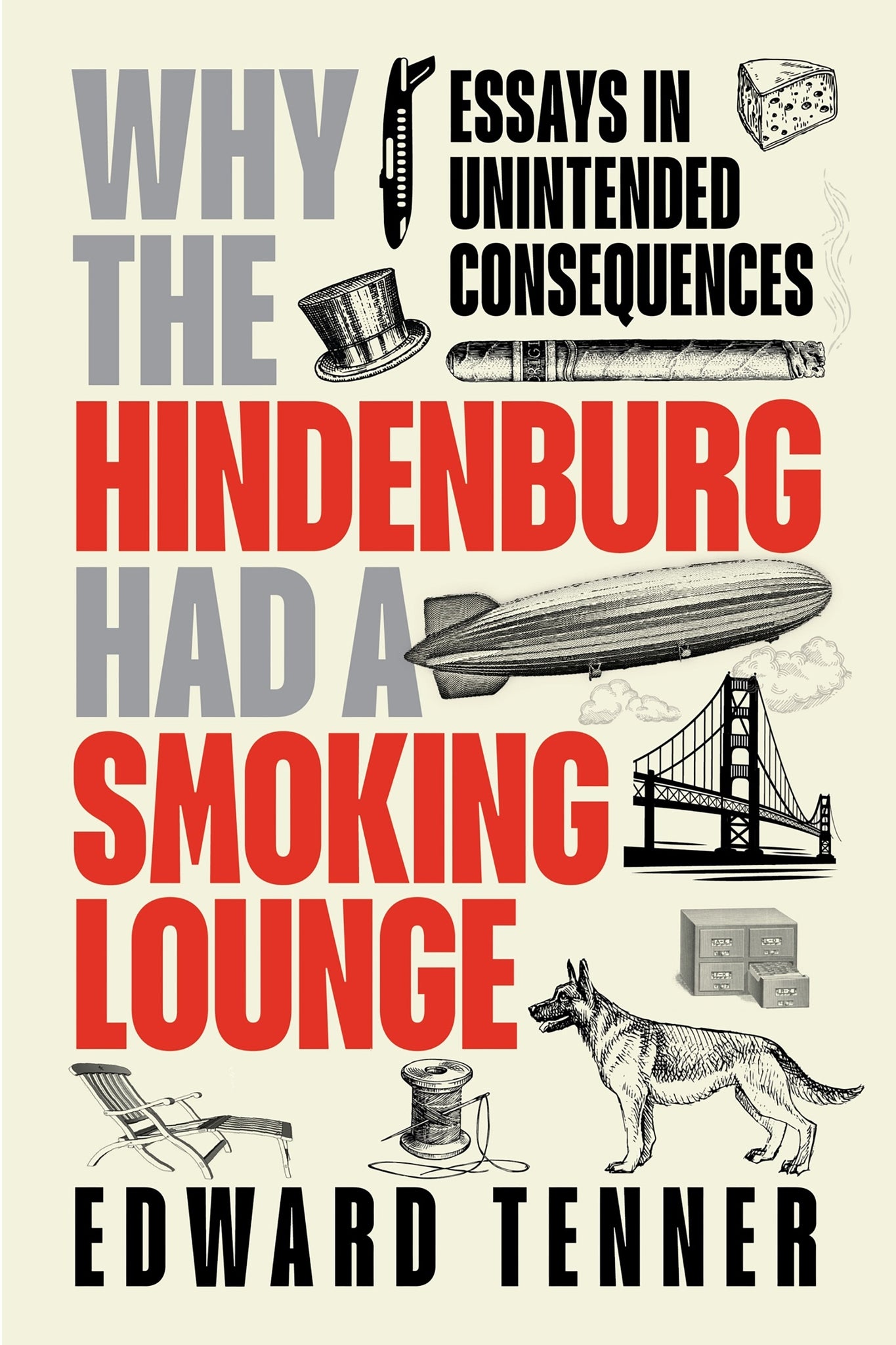
Essays by international bestselling author Edward Tenner that explore both the negative and positive surprises of human ingenuity
How did the addition of lifeboats after the Titanic shipwreck contribute to another tragedy in Chicago harbor three years later? How efficient are wild animals as investors, and how do dog breeds become national symbols? Why have scientific breakthroughs so often originated in the study of shadows? How did the file card prepare scholarship and commerce for the rise of electronic data processing, and why did the visual metaphor of the tab survive into today’s graphic interfaces? Why have Amish artisans played an important role in manufacturing advanced technology? Why was United Shoe Machinery the Microsoft of the 1890s? Surprises like these, Edward Tenner believes, can help us deal with the technological issues that confront us now.
Since the 1980s, Edward Tenner has contributed essays on technology, design, and culture to leading magazines, newspapers, and professional journals, and has been interviewed on subjects ranging from medical ethics to typography. Why the Hindenburg Had a Smoking Lounge—named for one of the paradoxes that can result from the inherent contradictions between consumer safety and product marketing—brings many of Tenner’s essays together into one volume for the first time, accompanied by new introductions by the author on the theme of each work. As an independent historian and public speaker, Tenner has spent his career deploying concepts from economics, engineering, psychology, science, and sociology, to explore both the negative and positive surprises of human ingenuity.


"The essayist is often a writer who receives little respect. But the best of them can change how we see our world. Edward Tenner is a profound reporter of startling connections. Whether discussing the surprise of the Hindenburg disaster, the dynamic history of chairs, or the significance of the dung beetle, Tenner takes us into places we would never imagine being. He knows that unintended consequences are everywhere, and we could not survive without them. As in the case of one of his iconic essays, his imagination is Titanic."
"A masterclass in the complexities of human/machine entanglement."
"Reading one of Ed Tenner’s essays always makes me want to turn to the person next to me and start a conversation with 'Did you know … ?' But Tenner is more than just entertaining. He gives us fundamental insights on the technological forces at work in our society and how and why they matter. These essays sparkle."
"Edward Tenner is the go-to expert for explaining why things go tragically wrong—specifically when technology and culture collide ... [in Why the Hindenburg Had a Smoking Lounge] Tenner discusses some promising inventions that took a bad turn, focusing, as does the title of his book, on the greater wisdom of allowing passengers to smoke in a giant airship using hydrogen to keep it afloat."
"[A] collection of thought-provoking, finely crafted pieces ... An eclectic observer of the human foibles and follies embedded in technology, design, and culture at large, [Ed Tenner] has written about everything from hats and chairs to wild animals and Amish inventors."
"If, like me, you’re a fan of new facts and surprising insights, this is the book for you."
— Diane Coyle
""[Tenner] has assembled an interesting and compelling book.""
— A. David Wunsch
Preface
A Note on Themes
1. Risk
2. Technology: Leaving It and Loving It
3. Organizations, Politics, and Technology
4. Design
5. Information
6. Artificial Intelligence
7. Animals
8. Innovation and the Future
Sources
Index