


Some error occured while loading the Quick View. Please close the Quick View and try reloading the page.
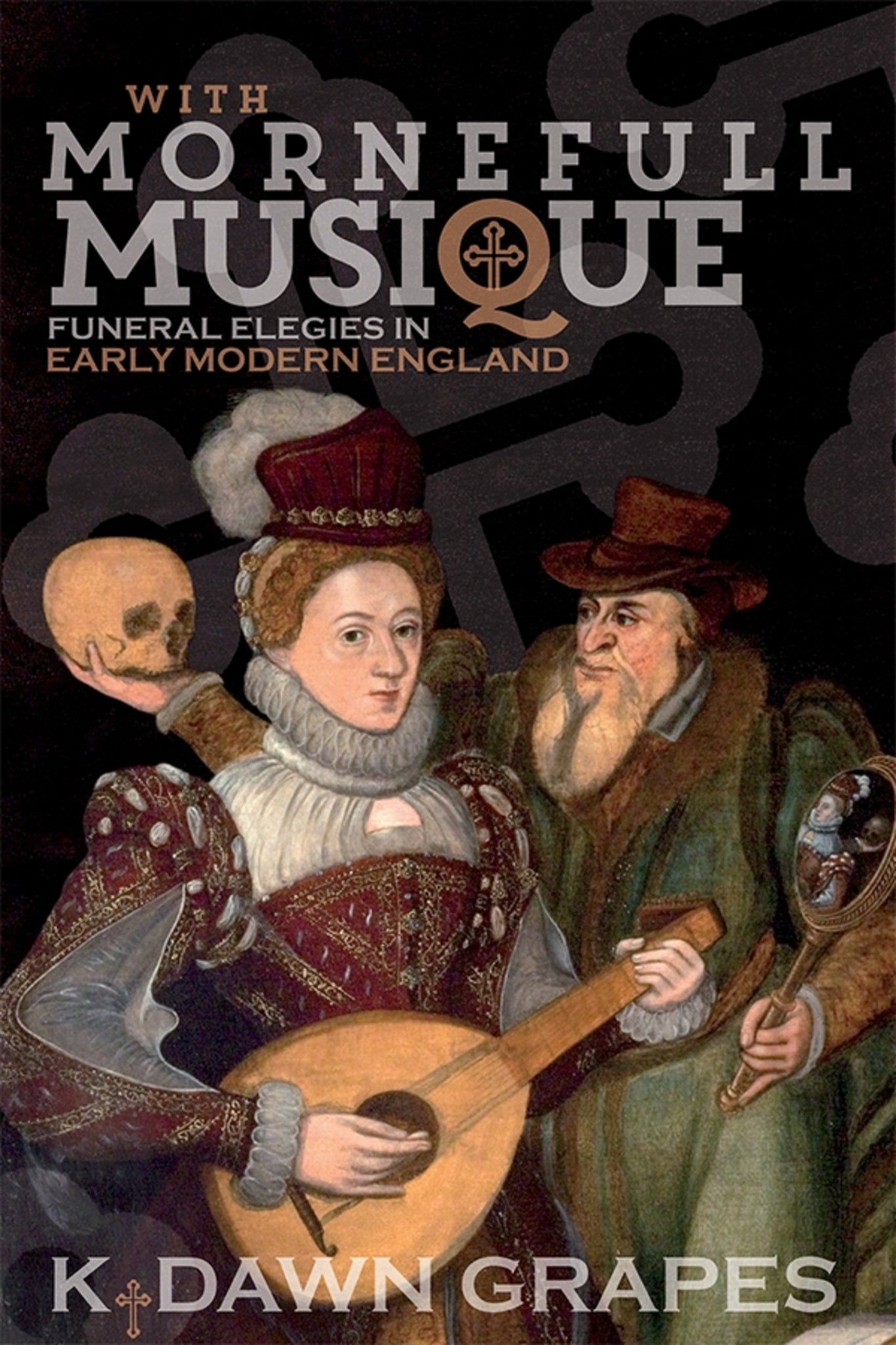
This book looks at the musical culture of death in early modern England.
This book looks at the musical culture of death in early modern England. In particular, it examines musical funeral elegies and the people related to commemorative tribute - the departed, the composer, potential patrons, and friends and family of the deceased - to determine the place these musical-poetic texts held in a society in which issues of death were discussed regularly, producing a constant, pervasive shadow over everyday life. The composition of these songs reached a peak at the end of the sixteenth and the beginning of the seventeenth centuries. Thomas Weelkes and Thomas Morley both composed musical elegies, as did William Byrd, Thomas Campion, John Coprario, and many others. Like the literary genre from which these musical gems emerged, there was wide variety in form, style, length, and vocabulary used. Embedded within them are clear messages regarding the social expectations, patronage traditions, and class hierarchy of late Elizabethan and early Jacobean England. En masse, they offer a glimpse into the complex relationship that existed between those who died, those who grieved, and attitudes toward both death and life.
K. DAWN GRAPES is Assistant Professor of Music History at Colorado State University.
This book looks at the musical culture of death in early modern England. In particular, it examines musical funeral elegies and the people related to commemorative tribute - the departed, the composer, potential patrons, and friends and family of the deceased - to determine the place these musical-poetic texts held in a society in which issues of death were discussed regularly, producing a constant, pervasive shadow over everyday life. The composition of these songs reached a peak at the end of the sixteenth and the beginning of the seventeenth centuries. Thomas Weelkes and Thomas Morley both composed musical elegies, as did William Byrd, Thomas Campion, John Coprario, and many others. Like the literary genre from which these musical gems emerged, there was wide variety in form, style, length, and vocabulary used. Embedded within them are clear messages regarding the social expectations, patronage traditions, and class hierarchy of late Elizabethan and early Jacobean England. En masse, they offer a glimpse into the complex relationship that existed between those who died, those who grieved, and attitudes toward both death and life.
K. DAWN GRAPES is Assistant Professor of Music History at Colorado State University.

Price: $115.00
Pages: 290
Publisher: Boydell & Brewer Inc.
Imprint: Boydell Press
Publication Date:
16 November 2018
Trim Size: 9.21 X 6.14 in
ISBN: 9781783273515
Format: Hardcover
BISACs:
MUSIC / History & Criticism, History of music, Music reviews and criticism

The first in-depth survey of the musical elegy, but also illuminates the social networks, hierarchies and patronage relationships that lay behind their creation and the wider musical culture of the period.
K. Dawn Grapes's new study . . . provides a nuanced and carefully contextualized look at the surprisingly complex social, political, theological, and cultural networks that created the uniquely English genre of the funeral elegy during the late sixteenth and early seventeenth centuries. . . . Grapes breath[es] new life into a topic that has long been neglected in musicological scholarship.
— Sarah F. Williams
[O]ffers a thorough and very interesting treatment of the musical genre of the funeral elegy during the Elizabethan and Jacobean periods. . . . In addition to examining the musical genre, the book offers insights on attitudes toward death in the 16th and 17th centuries: death was seen not only as a mournful event but also as an expression of moral renewal. . . . [I]ncludes a wealth of musical and textual examples, reproductions of original scores, plates, and extensive bibliography and index.
K. Dawn Grapes's new study . . . provides a nuanced and carefully contextualized look at the surprisingly complex social, political, theological, and cultural networks that created the uniquely English genre of the funeral elegy during the late sixteenth and early seventeenth centuries. . . . Grapes breath[es] new life into a topic that has long been neglected in musicological scholarship.
— Sarah F. Williams
[O]ffers a thorough and very interesting treatment of the musical genre of the funeral elegy during the Elizabethan and Jacobean periods. . . . In addition to examining the musical genre, the book offers insights on attitudes toward death in the 16th and 17th centuries: death was seen not only as a mournful event but also as an expression of moral renewal. . . . [I]ncludes a wealth of musical and textual examples, reproductions of original scores, plates, and extensive bibliography and index.
Introduction
"With Mornefull Musique": The English Musical Funeral Elegy
"The Floure of England": The Earliest Musical Elegies for Sir Philip Sidney
"Of Griefe and Honour Still": Elizabethan Courtiers
"Say Death Hath Lost": Knights of the Realm
"Weepe Forth Your Teares": Laments for a Lost King
"A Flower of Beutye": The Feminine Legacy of Queens and Matriarchs
"For Death of Her": The Unusual Case of Mary Gascoigne
"And Music Dies...": Musicians and their Stories
Epilogue
Appendix: Recordings List
Select Bibliography
"With Mornefull Musique": The English Musical Funeral Elegy
"The Floure of England": The Earliest Musical Elegies for Sir Philip Sidney
"Of Griefe and Honour Still": Elizabethan Courtiers
"Say Death Hath Lost": Knights of the Realm
"Weepe Forth Your Teares": Laments for a Lost King
"A Flower of Beutye": The Feminine Legacy of Queens and Matriarchs
"For Death of Her": The Unusual Case of Mary Gascoigne
"And Music Dies...": Musicians and their Stories
Epilogue
Appendix: Recordings List
Select Bibliography