


Some error occured while loading the Quick View. Please close the Quick View and try reloading the page.
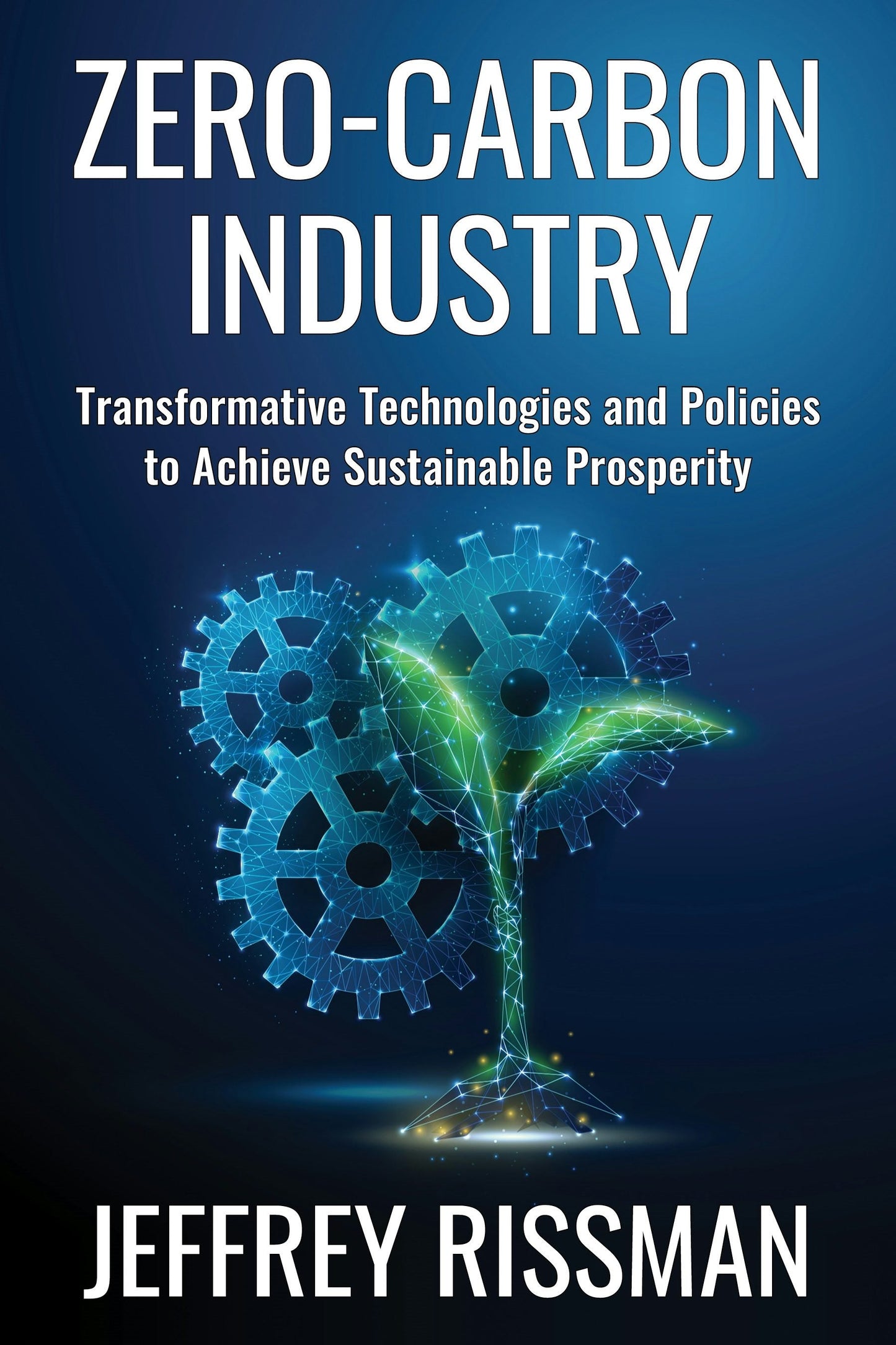
The power sector and transportation tend to dominate conversations about climate change, but there’s an under-the-radar source of climate pollution that must be addressed: industry. Globally, industrial activity is responsible for one-third of human-caused greenhouse gas emissions. Though industry is a major emitter, it is essential for producing the tools we need to fight climate change—like wind turbines, solar panels, and electric vehicles—and for meeting our everyday needs. How can industry eliminate its climate pollution while supplying transformational technologies?
This book delivers a first-of-its-kind roadmap for the zero-carbon industrial transition, spotlighting the breakthrough innovations transforming the manufacturing sector and the policies that can accelerate this global shift. Jeffrey Rissman illustrates the scope of the challenge, diving into the workings of heavy polluters like steel, chemicals, plastics, cement, and concrete. He examines ways to affordably decarbonize manufacturing, such as electrifying industrial processes, using hydrogen, deploying carbon capture and storage, and growing material efficiency with lightweighting and 3D printing. But technologies are only part of the picture. Enacting the right policies—including financial incentives, research and development support, well-designed carbon pricing, efficiency and emissions standards, and green public procurement—can spur investment and hasten emissions reductions. Rissman provides a framework to ensure that the transition to clean industry enhances equity, health, and prosperity for communities worldwide.
Engaging and comprehensive, Zero-Carbon Industry is the definitive guide to decarbonizing the vast—yet often overlooked—global industrial sector.


Introduction: What is Zero-Carbon Industry?
Part I: The Largest Greenhouse Gas-Emitting Industries
1. Iron and Steel
2. Chemicals
3. Cement and Concrete
Part II: Technologies
4. Energy Efficiency
5. Material Efficiency, Material Substitution, and Circular Economy
6. Electrification
7. Hydrogen and Other Renewable Fuels
8. Carbon Capture and Use or Storage
Part III: Policies
9. Carbon Pricing and Other Financial Policies
10. Standards and Green Public Procurement
11. R&D, Disclosure, Labeling, and Circular Economy Policies
12. Equity and Human Development
Conclusion: A Roadmap to Clean Industry
List of Abbreviations
Acknowledgments
Notes
Index