


-
Justified and philosophy
The sharp-shooting authors in Justified and Philosophy take aim at many of the same philosophical problems that the Justified TV series grapples with. For instance, is Tim Olyphant's character, Deputy U.S. Marshal Raylan Givens, morally justified in using his Wild-Wild-West-style vigilante tactic...
Read MoreRegular price $19.95Regular price $19.95 Sale price $19.95Unit price per -

Iron man vs. captain america and philosophy
Who is the most truly heroic--Captain America or Iron Man? The writers in this book try to answer that question from many diverse viewpoints.
Regular price $29.95Regular price $29.95 Sale price $29.95Unit price per -

A philosophical testament
Gadfly, heretic, persuasive expositor, and illuminating teacher, Marjorie Grene has been writing about philosophical issues and influencing philosophical debate since the 1930s.In this unrepentant and provocative essay, Grene brings together some of the themes in philosophy, biology, and other di...
Read MoreRegular price $18.95Regular price $18.95 Sale price $18.95Unit price per -


Utilitarian ethics
Anthony Quinton's concise study of utilitarianism, which has been long been unavailable, is generally acknowledged as the best introduction to the subject. This edition includes a new preface surveying recent developments.The book begins with a definition of utilitarianism, and goes on to conside...
Read MoreRegular price $16.95Regular price $16.95 Sale price $16.95Unit price per -
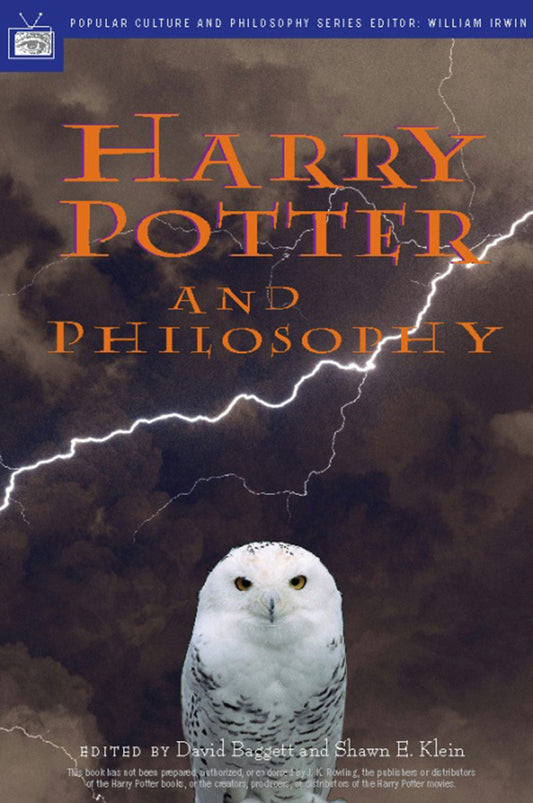

Harry potter and philosophy
Harry Potter has put a spell on millions of readers, and they all want to find out more about the deeper meaning of his adventures. In Harry Potter and Philosophy, 17 experts in the field of philosophy unlock some of Hogwarts' secret panels, uncovering surprising insights that are enlightening bo...
Read MoreRegular price $21.95Regular price $21.95 Sale price $21.95Unit price per -

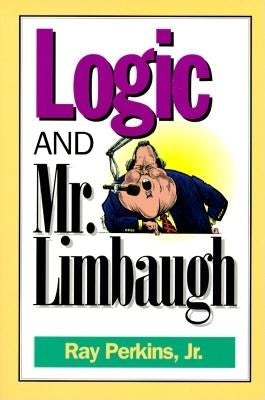
Logic and mr. limbaugh
Logic and Mr. Limbaugh is both an entertaining introduction to the elements of logic and a serious critique of the practical logic of a major conservative propagandist. Professor Perkins takes 50 examples of logical reasoning from Rush's statements, identifies the logical arguments, and points ou...
Read MoreRegular price $14.95Regular price $14.95 Sale price $14.95Unit price per -


Amy schumer and philosophy
This book contains philosophically revealing essays on the rising comic genius, Amy Schumer, also known as the "comedy queen."
Regular price $26.95Regular price $26.95 Sale price $26.95Unit price per -


The philosophy of julia kristeva
Internationally famous philosopher, psychoanalyst, novelist, and cultural critic Julia Kristeva shares her autobiography and also replies to thirty-six outstanding thinkers who discuss and critique her work in this newest volume in the Library of Living Philosophers.
Regular price $199.95Regular price $199.95 Sale price $199.95Unit price per -
Harmless naturalism
In seeking to defend a form of naturalism that avoids both scientism and the reduction of philosophy to science, Robert Almeder defines philosophy and distinguishes it from the domain of natural science by showing how a good philosophical explanation, while empirically testable, differs from a go...
Read MoreRegular price $24.95Regular price $24.95 Sale price $24.95Unit price per -
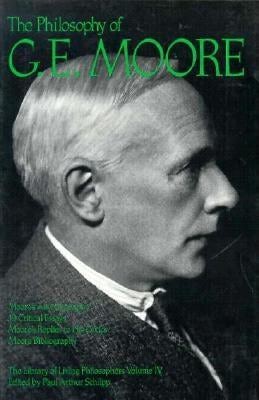
The philosophy of g. e. moore, volume 4
For almost a half-century G.E. Moore has exercised an enormous influence on modern thought. Since 1903, when his famous "Refutation of Idealism" burst upon the philosophical world, he has had a long and distinguished career. The present volume is a living testament to this great realist and to hi...
Read MoreRegular price $35.95Regular price $35.95 Sale price $35.95Unit price per -


Wittgenstein
"The portrait that emerges from this account is human, all too human, but the author's respect for Wittgenstein is never in doubt. Though brief and written so that it can be understood by those with no previous knowledge of Wittgenstein's philosophy, this book is an important contribution to our ...
Read MoreRegular price $29.00Regular price $29.00 Sale price $29.00Unit price per -


Radiohead and philosophy
Since their breakthrough hit "Creep" in 1993, Radiohead has continued to make waves throughout popular and political culture with its views about the Bush presidency (its 2003 album was titled Hail to the Thief), its anti-corporatism, its pioneering efforts to produce ecologically sound road tour...
Read MoreRegular price $31.95Regular price $31.95 Sale price $31.95Unit price per -


Empiricism at the crossroads
Rather than a monolithic movement of naïve empiricists, the Vienna Circle represented a discussion forum for what were sometimes compatible, sometimes conflicting philosophical approaches to empirical evidence. The Circle’s protocol-sentence debate here reconstructed and analyzed provides an ...
Read MoreRegular price $89.95Regular price $89.95 Sale price $89.95Unit price per -
Metaphysical graffiti
Metaphysical Graffiti explores the philosophical themes prevalent in the music of the classic rock era. Each chapter is a detailed study of a classic rock performer or ensemble, applying insights from philosophers ancient and modern. It will appeal to an audience that was inspired by the music o...
Read MoreRegular price $36.95Regular price $36.95 Sale price $36.95Unit price per -
Schools across frontiers
This is the story of two initiatives in international education, one originating in Switzerland, the other in Britain, but both now established in most countries of the world, including especially the United States and U.S. schools overseas. The International baccalaureate (IB) is a college entra...
Read MoreRegular price $44.95Regular price $44.95 Sale price $44.95Unit price per -

From fear to friendship
This human story of the end of the Cold War and the beginning of a new world of friendship and peace is told in alternating segments by Boris Ivanov and Bill Shaw, two newspapermen viewing the unfolding drama from opposite sides of the collapsing Iron Curtain.
Regular price $17.95Regular price $17.95 Sale price $17.95Unit price per -


Sartre explained
Jean-Paul Sartre is perhaps the most famous of the existentialists, and by far the most famous philosopher of the post-war era. Sartre was a highly prolific writer and thinker, and delving into his novels, plays, stories, essays, and memoirs can be challenging. Most books on Sartre focus on only ...
Read MoreRegular price $26.95Regular price $26.95 Sale price $26.95Unit price per -


The new testament and literature
The New Testament is perhaps the most influential book in the world from both an intellectual and literary standpoint. Still, few readers understand how to read the New Testament as a piece of literature. The New Testament and Literature acts as a guide, focusing on the underlying patterns that c...
Read MoreRegular price $36.95Regular price $36.95 Sale price $36.95Unit price per -
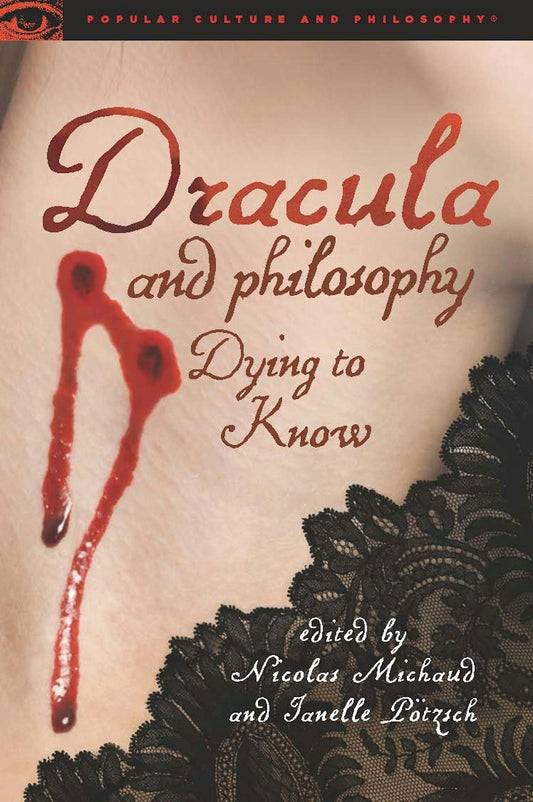
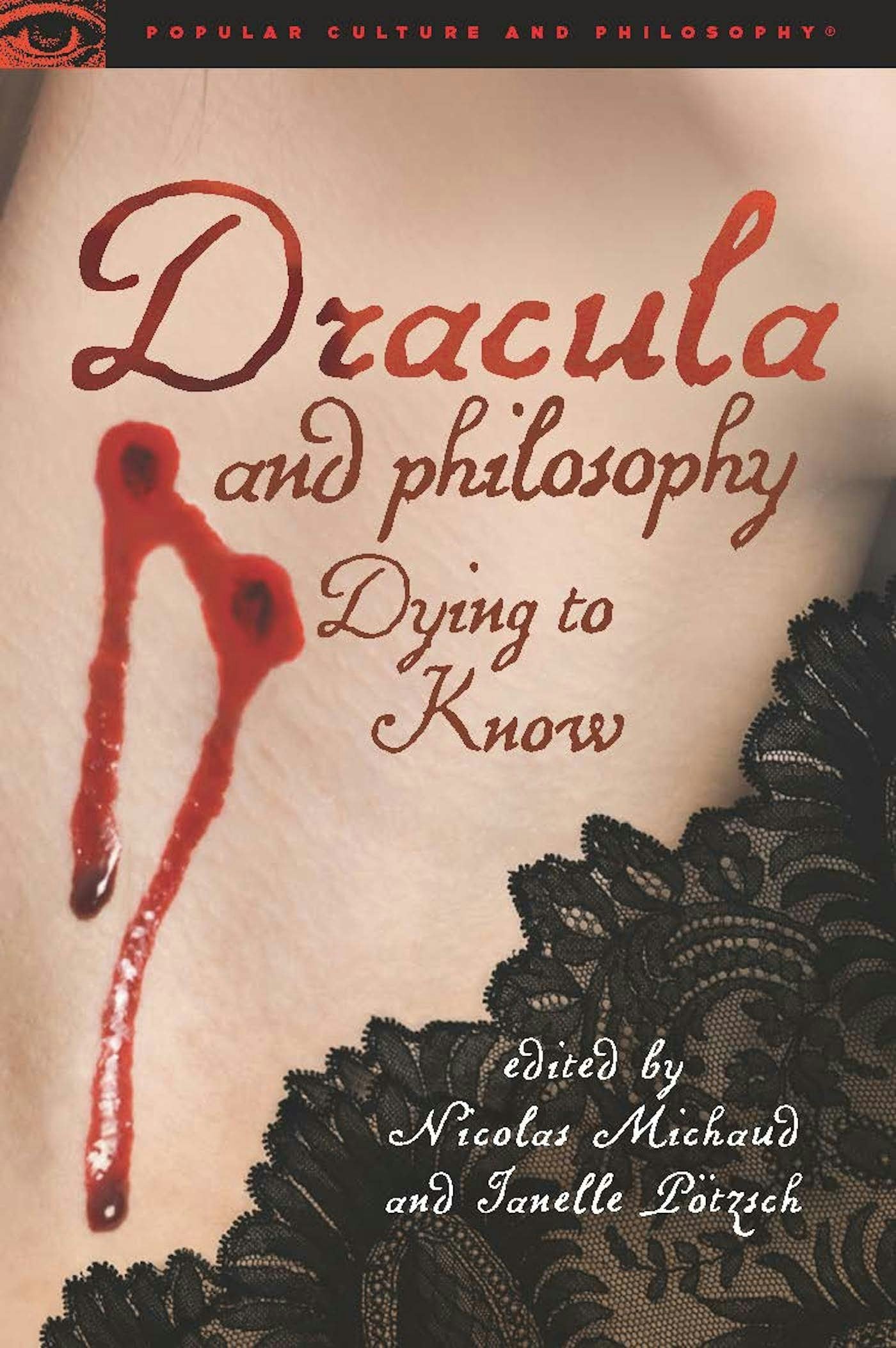
Dracula and philosophy
In Dracula and Philosophy 24 nocturnal philosophers stake out and vivisect Dracula from many angles.John C. Altmann decides whether Dracula can really be blamed for his crimes, since it’s his nature as a vampire to behave a certain way. Robert Arp argues that Dracula’s addiction to live human blo...
Read MoreRegular price $19.95Regular price $19.95 Sale price $19.95Unit price per -


Rawls explained
John Rawls was arguably the most important political philosopher of the 20th century. Barely a word of political philosophy is written today that is not indebted in some way to the philosophical paradigm that Rawls bequeathed. Rawls Explained sets out the thinker's complex arguments in a way that...
Read MoreRegular price $24.95Regular price $24.95 Sale price $24.95Unit price per -
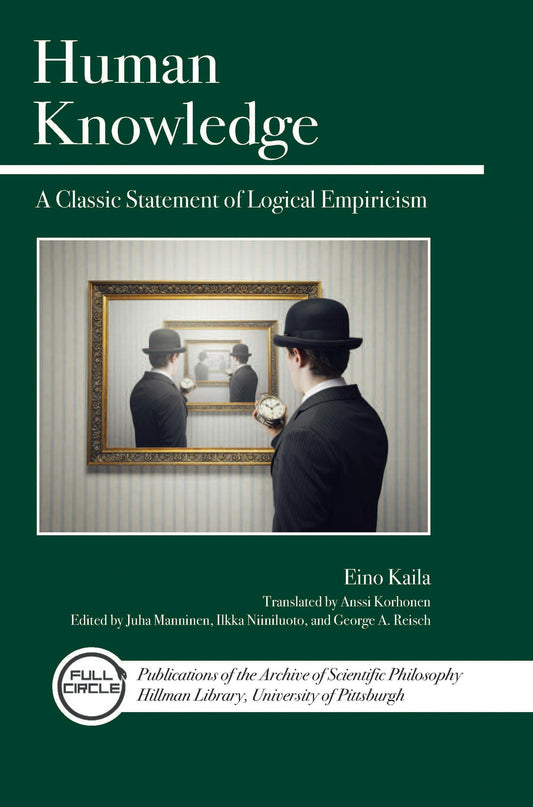
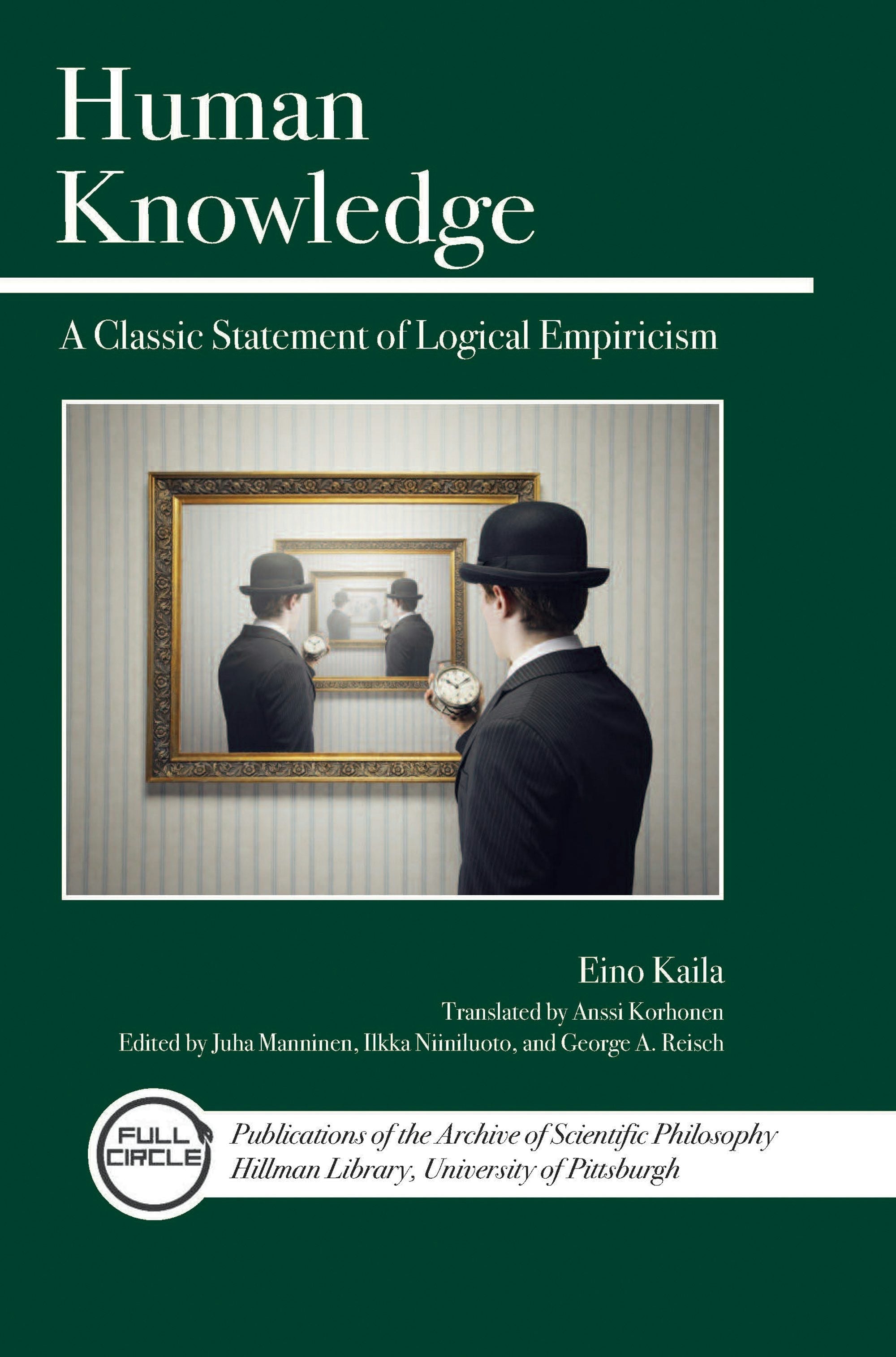
Human knowledge
Finnish philosopher Eino Kaila wrote a classic statement of logical empiricism. Having experienced the foundational debates of the Vienna Circle in 1929, Kaila was a keen follower of the further developments of the Circle. His synoptic presentation and analysis of the basic themes, or theses,” o...
Read MoreRegular price $49.95Regular price $49.95 Sale price $49.95Unit price per -


The princess bride and philosophy
The Princess Bride is the 1987 satirical adventure movie that had to wait for the Internet and DVDs to become the most quoted of all cult classics. The Princess Bride and Philosophy is for all those who have wondered about the true meaning of Inconceivable!,” why the name Roberts” uniquely ins...
Read MoreRegular price $27.95Regular price $27.95 Sale price $27.95Unit price per -


Jurassic park and philosophy
Twenty-one philosophers investigate the implications of the Jurassic Park franchise for our lives, our values, and our future. Human beings live and thrive by modifying nature, but when do the risks of changing nature outweigh the likely benefits? If it’s true that Life will find a way,” should ...
Read MoreRegular price $31.95Regular price $31.95 Sale price $31.95Unit price per -


The sage and the second sex
This volume offers new insights into the role of women in ancient China, their important contributions to society, and their pursuit of personal growth and fulfillment. The position that Confucianism may actually foster gender equity is particularly interesting in discussions of whether the Confu...
Read MoreRegular price $54.95Regular price $54.95 Sale price $54.95Unit price per -
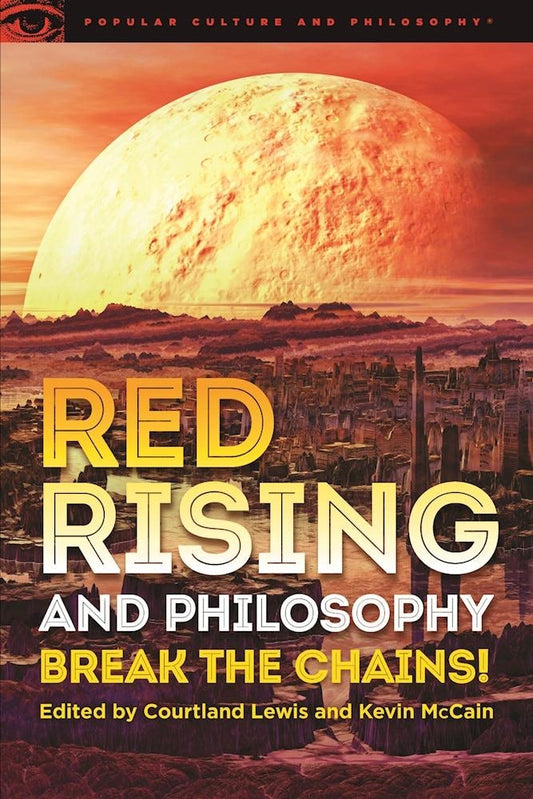

Red rising and philosophy
Red Rising and Philosophy has gathered together a crew of the wisest Helldivers philosophy can offer. Could humanity's love of physical enhancements cause its extinction? Do people doom humanity by trying to all be the same? Can a person love someone, while at the same time wanting that person d...
Read MoreRegular price $24.95Regular price $24.95 Sale price $24.95Unit price per -
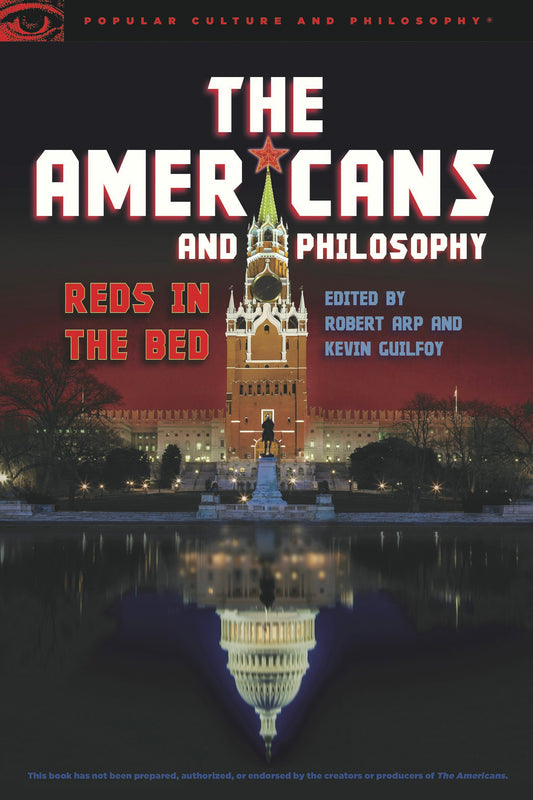
The americans and philosophy
Philosophers probe the popular TV spy show.
Regular price $29.95Regular price $29.95 Sale price $29.95Unit price per -
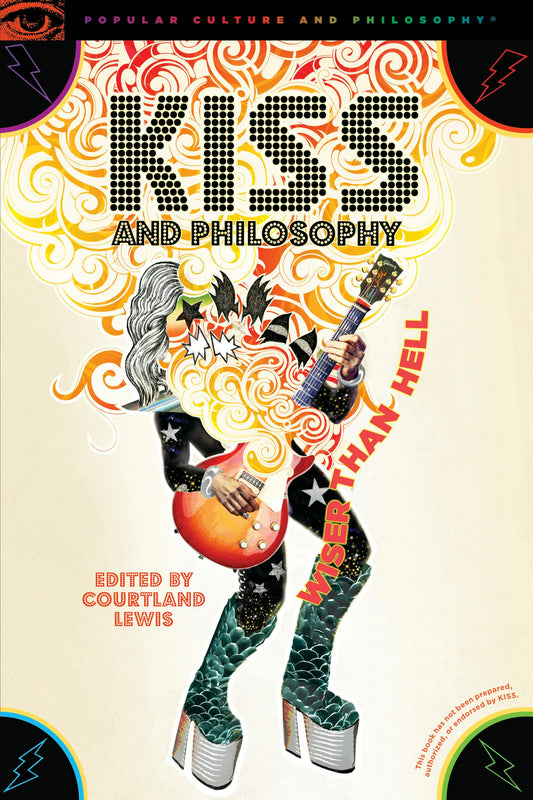
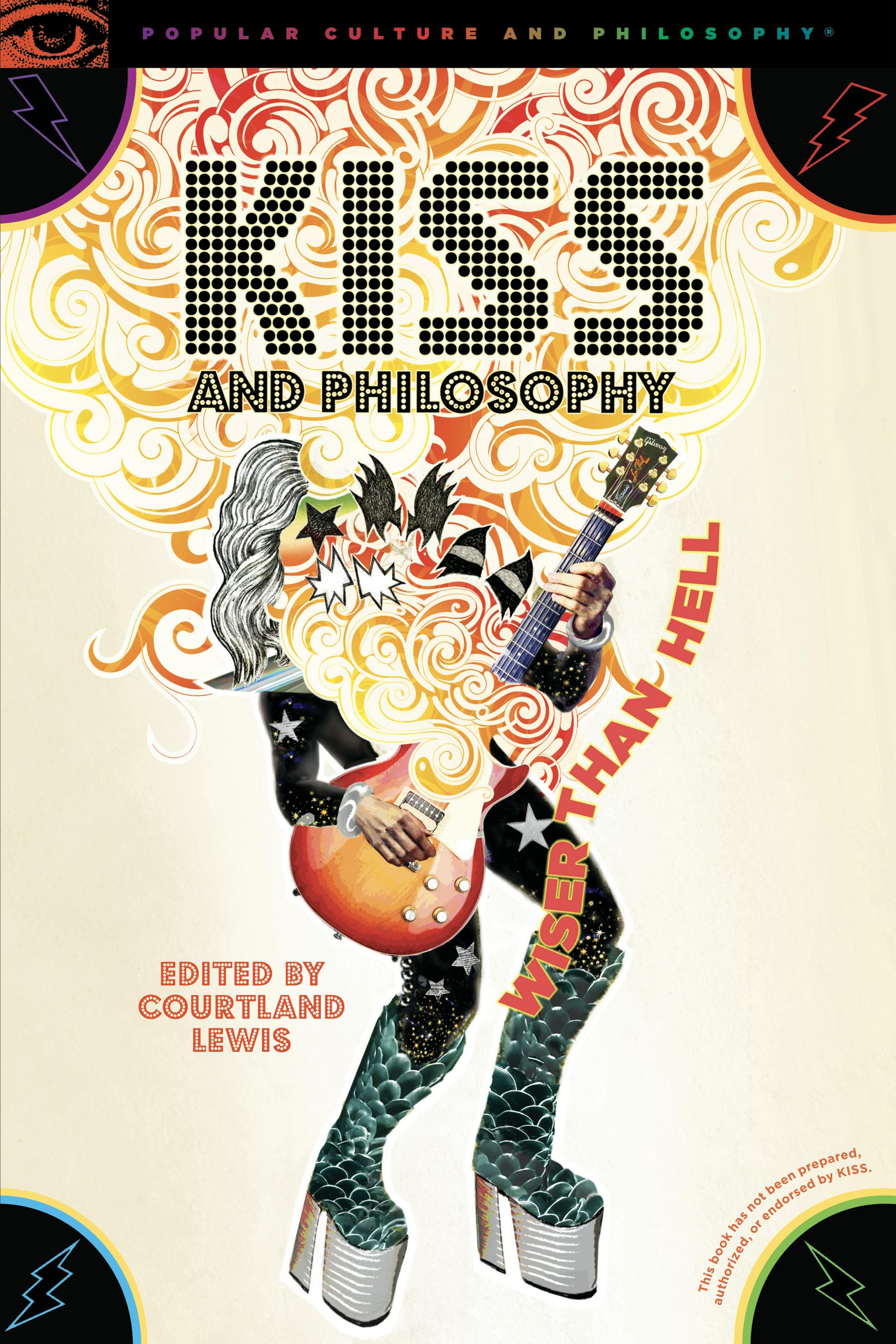
Kiss and philosophy
KISS is the most outrageous and yet the most enduring of rock bands, with an unparalleled, almost religious level of devotion from millions of die-hard fans. In KISS and Philosophy, professional thinkers of diverse outlooks provide much-needed insights into the motivating ideas and metaphysical ...
Read MoreRegular price $29.95Regular price $29.95 Sale price $29.95Unit price per -

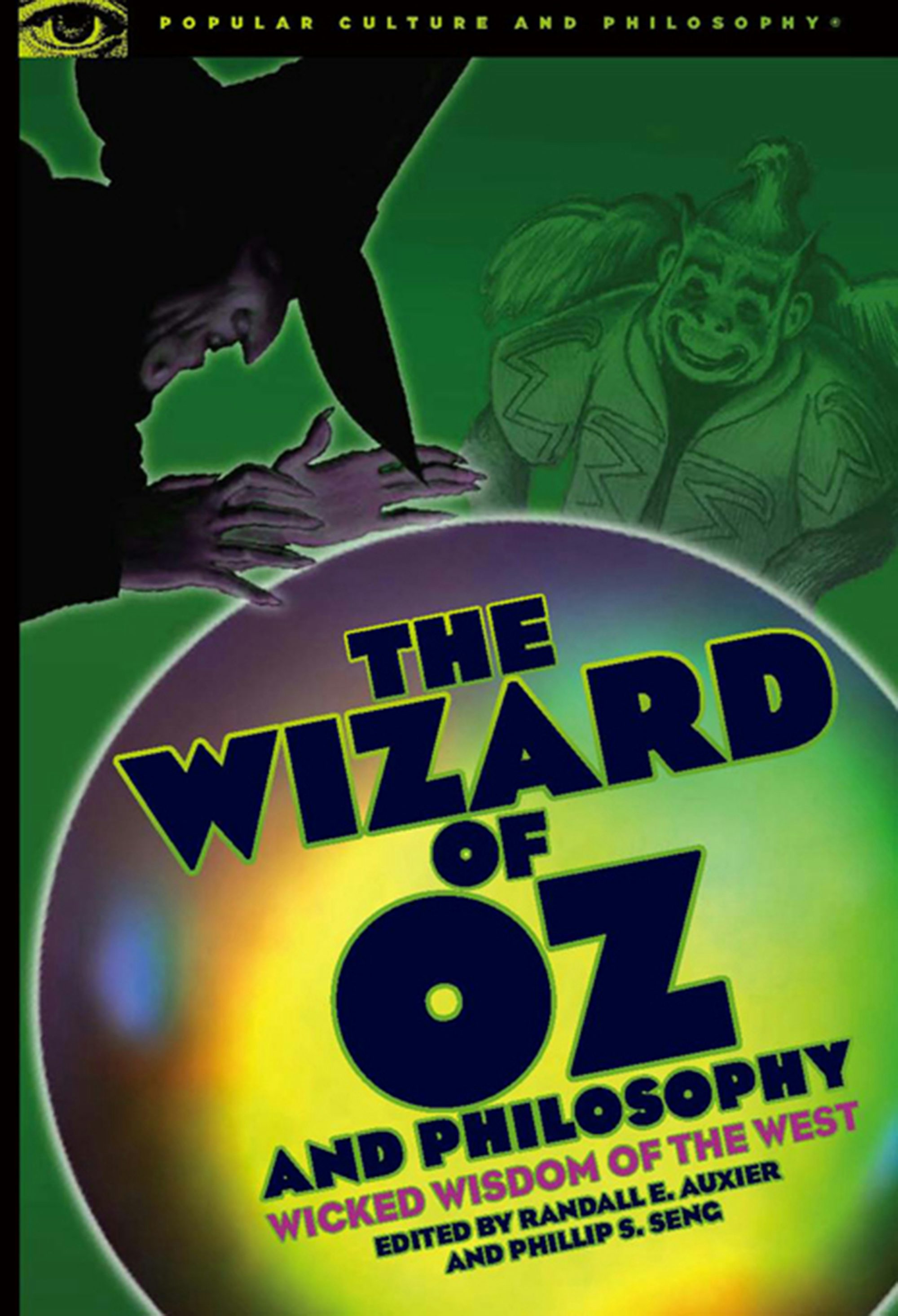
The wizard of oz and philosophy
From the bedtime story by L. Frank Baum to the classic 1939 film, no story has captured the imaginations of generations of children and adults like The Wizard of Oz. The story of Dorothy’s journey through Oz, the colorful characters, places, songs, and dialogue have permeated popular culture ...
Read MoreRegular price $36.95Regular price $36.95 Sale price $36.95Unit price per -


Spoiler alert!
This book contains spoilers—as well as entertaining and thoughtful analysis of them.
Regular price $19.95Regular price $19.95 Sale price $19.95Unit price per -
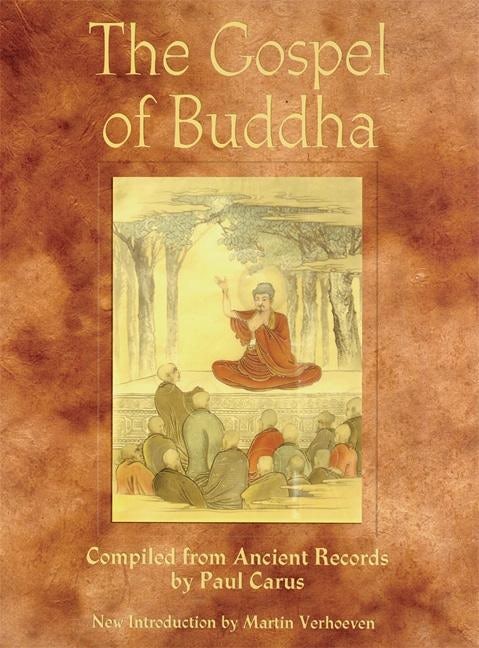
The gospel of buddha
The Gospel of Buddha, the classic text on Buddhism that first introduced many Westerners to Buddha and his teachings, was first published in 1894 and immediately became a worldwide bestseller. Author Paul Carus (18521919) collected many accounts of Buddha's life, teachings, and death, and fashi...
Read MoreRegular price $49.95Regular price $49.95 Sale price $49.95Unit price per -


How is language possible?
In this revolutionary study of the philosophical problems of language, J.N. Hattiangadi offers a new approach which simultaneously solves several venerable conundrums in the origin and development of language and thought. His argument includes acute criticisms of the later Wittgenstein's theory o...
Read MoreRegular price $18.95Regular price $18.95 Sale price $18.95Unit price per -
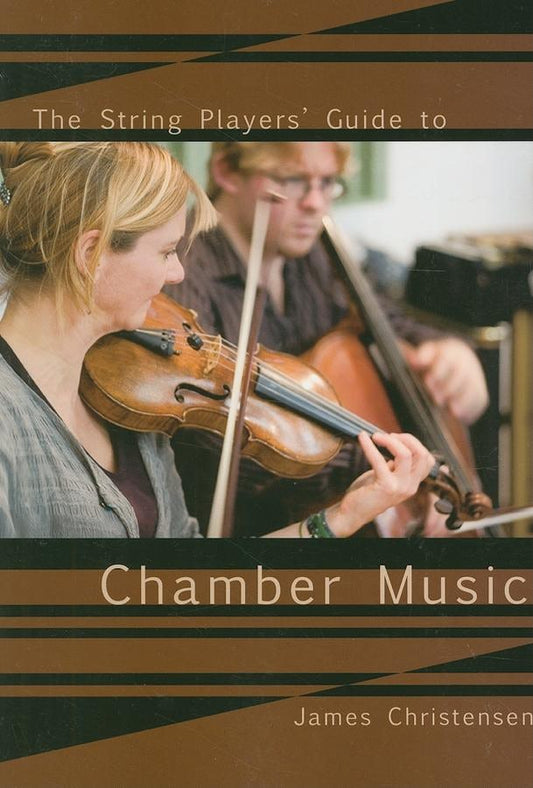
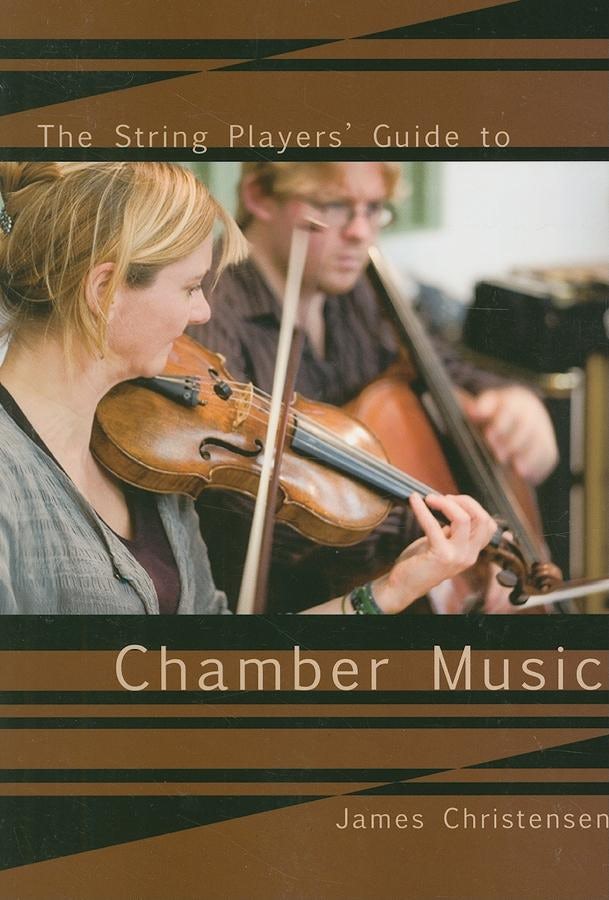
The string player's guide to chamber music
With this revised and enlarged edition of The String Player's Guide to Chamber Music, music lovers learn to play well-known works by Mozart, and Beethoven, among others. The book evaluates each piece, identifying problems performers may face and letting them know the amount of work involved in le...
Read MoreRegular price $24.95Regular price $24.95 Sale price $24.95Unit price per -


Cutting jesus down to size
In this provocative book, noted scholar G. A. Wells tells the story of Higher Criticism: the close study of the scriptures that reveals difficulties and discrepancies. Wells traces the discipline’s German beginnings, exploring the problems in the New Testament that prompted scholars to revise tra...
Read MoreRegular price $38.95Regular price $38.95 Sale price $38.95Unit price per -
The mystery of capital and the construction of social reality
John Searle’s The Construction of Social Reality and Hernando de Soto’s The Mystery of Capital shifted the focus of current thought on capital and economic development to the cultural and conceptual ideas that underpin market economies and that are taken for granted in developed nations. This col...
Read MoreRegular price $49.95Regular price $49.95 Sale price $49.95Unit price per

We're sorry. An error has occurred
Please cancel or retry.


